
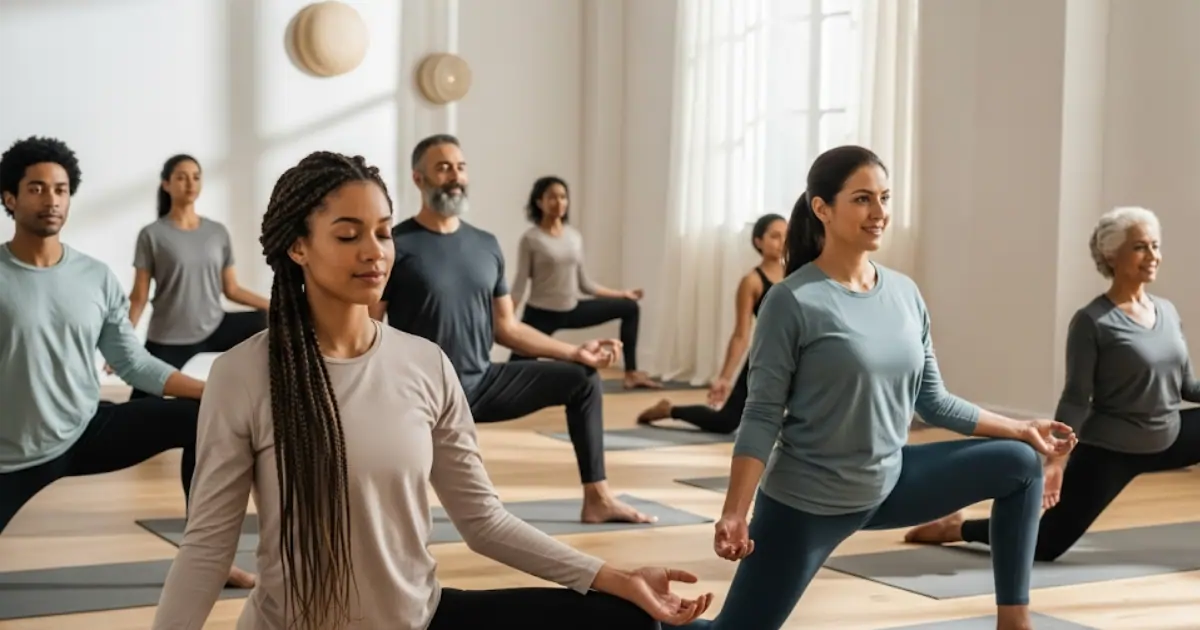
Benefits of Yoga for Emotional Health
Benefits of Yoga: In a fast-paced world, where the mind rarely slows down and the body suffers from sensory overload, yoga emerges as a practice that integrates stillness, breath, and movement, offering a profound reconnection with what is most essential: the present moment.
More than just stretching or beautiful poses, yoga is a powerful tool for promoting emotional health by reducing stress, balancing mood, alleviating anxiety, and cultivating a sense of inner peace. You’ll learn how yoga affects your emotions, what the main scientifically proven benefits are, how to get started, and which styles are best suited for those seeking calm, clarity, and self-awareness.
What is yoga, and why does it affect our emotions?
The word “yoga” comes from the Sanskrit word “yuj,” which means union—of the mind with the body, of the breath with the present moment. It is an ancient practice that includes:
- Asanas (physical postures)
- Pranayama (breathing techniques)
- Meditation (focus and presence)
This triad acts directly on the autonomic nervous system, lowering cortisol (the stress hormone) levels and increasing neurotransmitters such as serotonin and GABA, which promote relaxation and well-being.
“Yoga doesn’t change the world around you—it changes the way you relate to it.”— Sri Sri Ravi Shankar
Proven Benefits of Yoga for Emotional Health
The practice of yoga has been shown to have consistent benefits for emotional health, as proven by numerous scientific studies. One of the main effects is a reduction in stress levels. The combination of physical postures, breathing exercises, and meditation activates the parasympathetic nervous system, which is responsible for calming the body and mind. This reduces the production of cortisol, the stress hormone, promoting a sense of tranquility and well-being.
Another example of the benefits of yoga is improved mood and a reduction in symptoms of anxiety and depression. Studies show that yoga stimulates the release of neurotransmitters such as serotonin and dopamine, which are directly linked to feelings of pleasure and emotional balance. In addition, regular practice promotes self-awareness and self-knowledge, allowing individuals to better recognize their emotional states and develop internal strategies for coping with them.
One of the benefits of yoga is that it also improves sleep quality, another essential factor for emotional health. The practice helps reduce mental restlessness and physical tension accumulated during the day, making it easier to relax before bed. People who suffer from insomnia or have difficulty falling into a deep sleep report significant improvements after incorporating yoga into their daily routine.
Yoga strengthens emotional resilience and the ability to cope with difficult situations. By fostering mindfulness, it teaches people to stay in the present moment, avoiding mental rumination and catastrophic thinking. Over time, practitioners develop greater emotional stability, facing life’s challenges with more balance, clarity, and emotional control.
Recommended yoga styles and their benefits for emotional health
4. How to Start Practicing Yoga for Emotional Well-Being
A. Start with 15 to 20 minutes, 3 times a week
B. Choose a quiet and safe environment
C. Wear light clothing and go barefoot
D. Focus on your breathing—rather than on the “perfect” posture
E. Allow yourself to feel: there is no right or wrong
Simple poses that help calm the mind and offer the benefits of yoga
Some simple poses that offer the benefits of yoga can be especially effective for calming the mind and providing the emotional benefits of the practice. Child’s Pose (Balasana) is one of the most recommended poses for times of anxiety or stress. In this pose, the person kneels, lowers the torso toward the floor, and extends the arms forward or to the sides of the body, allowing for deep relaxation of the spine and shoulders. This pose stimulates the parasympathetic nervous system, helping to reduce physical and mental tension.
Another accessible and effective pose is Mountain Pose (Tadasana). Although it seems simple, standing with your feet together, arms at your sides, and your attention focused on your breath promotes grounding and a connection to the present moment. Tadasana is useful for reducing mental restlessness and reinforcing a sense of emotional stability, making it an excellent option for quick breaks throughout the day.
Downward-Facing Dog (Adho Mukha Svanasana) is also a great choice for relieving stress and revitalizing the body. With your hands and feet firmly on the floor and your hips raised, this pose stretches your spine and legs while stimulating blood flow to the brain. The result is a more alert mind, yet one that feels calm and clear.
The Legs-Up-the-Wall Pose (Viparita Karani) is perfect for those seeking deep relaxation. Lying on your back with your legs elevated and resting against the wall facilitates venous return, relieves leg fatigue, and promotes a sense of comfort and security. This pose is often used at the end of a yoga practice or during moments of anxiety, helping to slow down the mind and prepare the body for rest, while offering many of the benefits of yoga.
Case study: Elisa, 28, a medical student
Challenge: she experienced mild anxiety attacks, difficulty concentrating, and mild insomnia.
Changes made:
- She started practicing 20 minutes of yoga in the evening, focusing on mindful breathing
- She chose guided Yin Yoga and Hatha videos for beginners
- She practiced Legs-Up-the-Wall Pose every day before bed
- She kept a journal of her feelings after practice
Results after 6 weeks:
- Deeper sleep and falling asleep faster
- Less mental restlessness at the end of the day
- Reduction in anxiety attacks by more than 60%
- Greater clarity and focus on studies
7. Complementary practices to enhance the emotional effects of yoga
- Essential oils: lavender, sweet orange, or sandalwood during the practice
- Instrumental music or nature sounds
- A setting with dim lighting or candles
- Practice at sunrise or sunset, if possible
The balance you are looking for can start with a yoga mat
You don’t need to know all the poses or be a member of a gym. Yoga begins when you close your eyes, take a deep breath, and decide to listen to yourself. With kindness, consistency, and curiosity, it transforms your emotional well-being, one movement at a time.
In yoga, the goal isn't to touch your toes. It's what you learn along the way.
See also
Comments
Loading comments…