
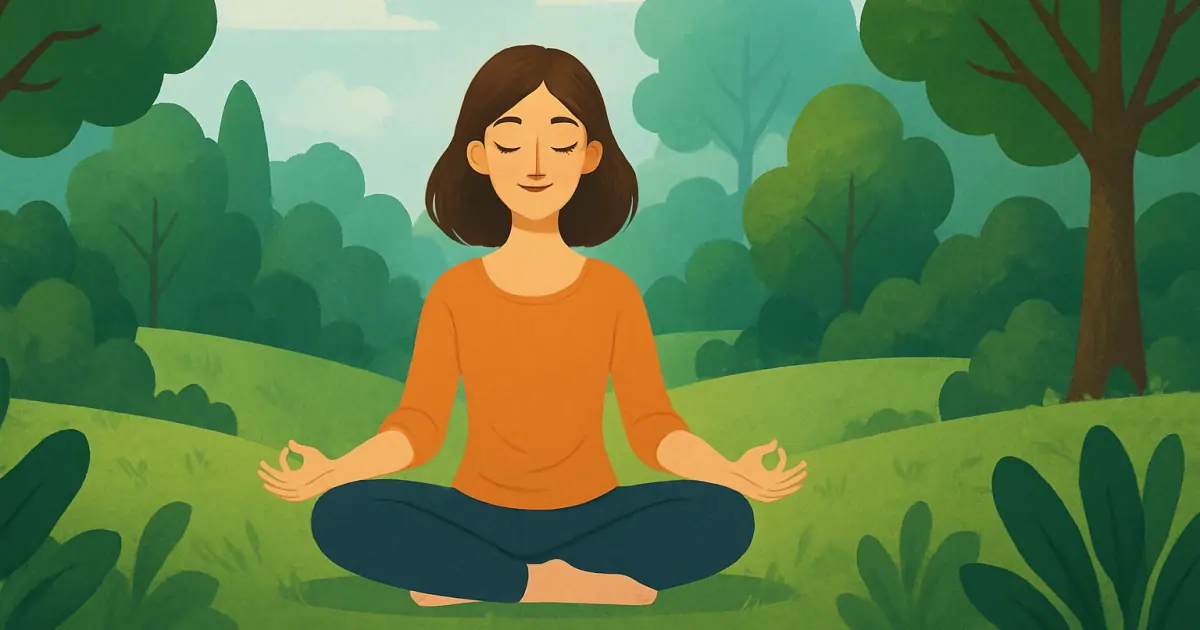
How Connecting with Nature Improves Your Quality of Life and Mental Health
Have you ever felt calmer after taking a walk in a park or feeling the sand between your toes? It’s no coincidence—it’s biology. In a world dominated by screens, concrete, and a fast pace, contact with nature proves to be a true natural remedy for the body, mind, and spirit.
Let’s explore the proven impacts of nature on human health, the science behind this vital connection, real-life case studies, and practical ways to reconnect with the natural world—even if you live in a big city. Nature may not solve all your problems, but it can make them easier to bear and make you stronger.
Modern Disconnection: Why Have We Lost Touch with Nature?
With rapid urbanization, daily life has shifted from green to gray. More than 55% of the world’s population lives in urban areas, according to the UN, and that figure is expected to reach 68% by 2050. This shift has drastically reduced the amount of time we spend outdoors, especially in natural environments.
The vertical growth of cities has been a response to rapid urbanization and the scarcity of space in large metropolitan areas. Increasingly tall and densely concentrated buildings have transformed the urban skyline, but they have also distanced people from the ground and from nature. As concrete replaces green spaces, people’s daily experience of the natural environment becomes rarer, reinforcing an increasingly artificial relationship with the environment.
At the same time, increasingly indoor routines are becoming the norm. With the rise of remote work, online learning, and other digital conveniences, people tend to spend more time indoors. This, combined with excessive screen use—whether for leisure, productivity, or socializing—intensifies our isolation from the natural world, reducing opportunities for mental rest and connection with open, living environments.
The lack of urban planning focused on accessible green spaces further exacerbates this situation. In many urban centers, contact with nature is perceived as a “luxury” reserved for the few, rather than as an essential need for everyone’s physical and emotional health. This perspective limits the creation of public policies aimed at collective well-being and the harmonious integration of city and nature—something vital to the balance of modern life.
What is contact with nature?
Connecting with nature isn’t just about hiking in remote forests. Any form of interaction with the natural world—trees, plants, rivers, the sky, the sun, animals—already provides benefits. It can happen directly (taking a walk outdoors) or indirectly (observing a plant by the window).
Categories of contact with nature:
- Active physical contact: walking in the park, gardening, hiking
- Passive physical contact: admiring scenery, listening to natural sounds
- Simulated contact: using natural elements indoors (plants, natural light, wood, sounds)
Physical Benefits of Spending Time in Nature
1. Reduction of physiological stress
Studies show that nature reduces levels of cortisol, the stress hormone, and activates the parasympathetic nervous system, which is responsible for the feeling of relaxation.
The Body's Responses to Contact with Nature
2. Strengthening the immune system
Japanese studies show that walking in forests increases the activity of natural killer (NK) cells, which are responsible for destroying infected and cancerous cells.
“Nature doesn’t just heal—it prevents.” — Dr. Qing Li, immunologist and author of the book The Art of Shinrin-Yoku
Psychological and Emotional Benefits
1. Reduction in anxiety and depression
Natural environments promote calm, reduce ruminative thinking (negative, repetitive thoughts), and help people cope with difficult emotions. The American Psychological Association confirms that just 20 minutes outdoors each day can have an antidepressant effect.
2. Improved attention and focus
The concept of restorative attention suggests that nature recharges our cognitive resources, especially after long periods of concentration. This improves intellectual performance.
3. A sense of connection and belonging
Feeling part of something greater—life, the ecosystem, the planet—reduces loneliness and fosters a sense of meaning. This is also linked to greater emotional resilience.
How to Incorporate Time in Nature into Urban Life
1. Spend time in nature every day
- Take a walk down tree-lined streets, even if it's just for 10 minutes
- Have lunch or read in public squares
- Look at the sky, the sunrise, or the sunset with mindfulness
- Have plants at home or in the office
2. Invest in biophilia
Biophilia is the human instinct to connect with nature. Biophilic environments bring elements of nature indoors:
- Natural wood
- Natural sunlight
- Water features, plants, rocks
- Natural sounds (birds, running water)
3. Practice Shinrin-Yoku (forest bathing)
Created in Japan in the ’80s, Shinrin-Yoku is a practice of slow contemplation in the forest. Results:
- Lowering blood pressure
- Mental clarity
- Relief from chronic fatigue
- Emotional strength
Case Studies
Case 1: Daniela, 36, advertising executive
Problem: chronic stress and burnout. Change: 3 weekly 30-minute walks in the park; growing herbs on the balcony. Results: a 70% reduction in symptoms of anxiety and insomnia within 6 weeks.
Case 2: Rodrigo, 62, retired
Problem: recurring sadness and a lack of purpose. Change: Rodrigo began tending community gardens in the neighborhood. Results: he regained a sense of joy, expanded his social circle, and began walking daily.
How Nature Affects Children, Adults, and Older People
Common Challenges and Solutions
“I live in the city and there’s no park nearby.”
Solution: Create a “green microenvironment” with potted plants, natural light, and natural elements inside your home.
“I don’t have time.”
Solution: Swap 15 minutes on social media for a brisk walk outdoors.
“I don’t like plants.”
Solution: Use nature sounds, naturally scented essential oils, and increase ventilation and natural light in the room.
Conclusion: reconnecting with nature is an act of healing
In an age of digital hyperconnectivity and constant haste, connecting with nature offers a moment of respite—a return to the essentials. The earth, the wind, the sky, the greenery… all of this reminds us of where we came from and how it’s possible to live a more balanced life.
You don't have to move to the countryside or become a radical environmentalist. All you have to do is allow yourself to spend a few minutes each day living more in tune with what is natural—and, therefore, deeply human.
Open the window. Breathe in the fresh air. Look up at the sky. That, in itself, is reconnection.
See Also
Comments
Loading comments…