
Stress Management and Practical Strategies for Regaining Balance
We live in a world that demands speed, productivity, and constant performance. At this pace, stress has gone from being a survival mechanism to a silent epidemic that erodes our health, well-being, and relationships.
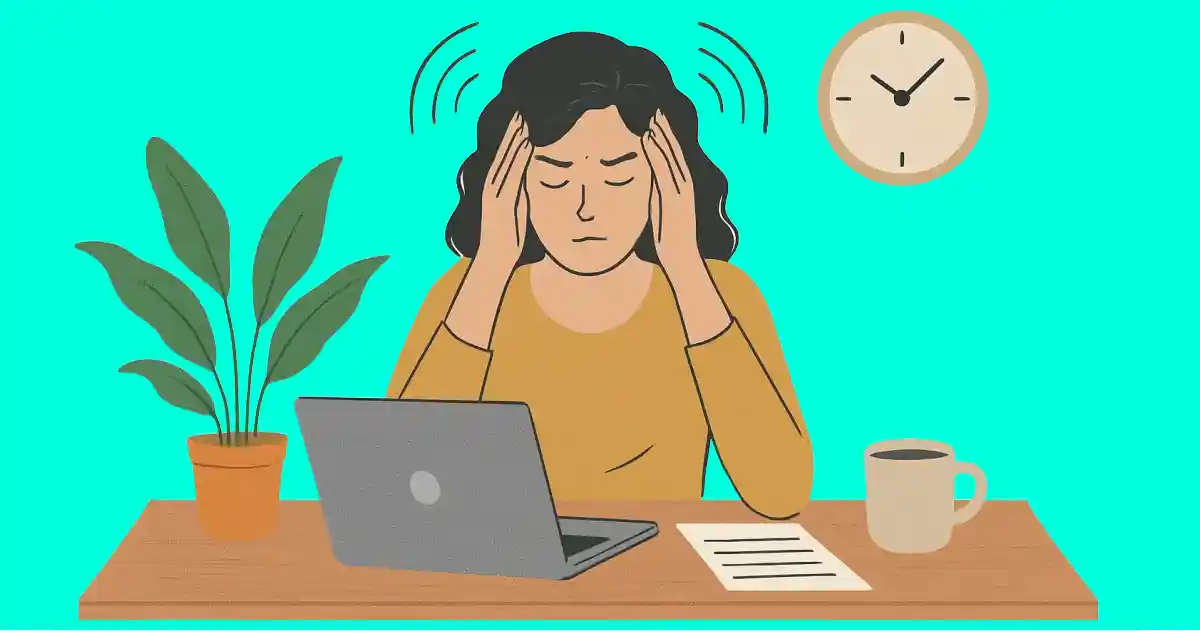
Do you feel like you're at your limit? Like your body is always tense, your mind is restless, and your emotions are running high? If so, this article is for you.
Here, we’ll explore how stress management can not only alleviate the symptoms of emotional overload but also restore physical, mental, and energetic balance. Drawing on current research, proven techniques, and practical examples, you’ll learn how to manage stress before it wears you down.
What Is Stress—and Why Isn't It the Villain?
Stress is a natural biological reaction to any demand that challenges the body's balance. It prepares the body to respond to situations of danger, risk, or strain.
Stimulus → Interpretation → Physiological response
Adrenaline surges, the heart races, muscles tense—the body prepares to act. This is healthy and necessary when it happens occasionally.
The problem is chronic stress, which occurs when the body's stress response persists even in the absence of real danger. This exhausts the nervous system, harms health, and affects all areas of life.
Good Stress vs. Bad Stress
How Stress Affects the Body
Stress is the body’s natural response to situations that pose a threat or challenge. When a person is faced with a stressor, the body activates the so-called “hypothalamic-pituitary-adrenal axis,” releasing hormones such as cortisol and adrenaline. These hormones prepare the body to react quickly by increasing heart rate, blood pressure, and energy levels. Although this response is useful in short-term situations, when stress becomes chronic, it can have serious health consequences.
Prolonged stress negatively affects various body systems. In the immune system, for example, it can weaken the body’s natural defenses, making it more vulnerable to infections. In the cardiovascular system, a constant increase in blood pressure and heart rate raises the risk of conditions such as hypertension, heart attack, and stroke. In addition, the digestive system can also be affected, leading to problems such as gastritis, acid reflux, and changes in appetite.
From a psychological perspective, chronic stress can lead to the development of disorders such as anxiety, depression, and insomnia. Constant tension impairs concentration, memory, and overall well-being. Therefore, it is essential to adopt stress management strategies, such as regular physical exercise, relaxation techniques, adequate sleep, and, when necessary, professional psychological support. Taking care of one’s mental health is essential for maintaining the body’s overall balance.
Chronic stress disrupts three fundamental systems:
A. Nervous System
- Hypersensitivity to stimuli
- Irritability and impulsivity
- Impaired memory and reasoning
B. Immune System
- Decreased antibody production
- Greater susceptibility to infections
- Worsening of autoimmune diseases
C. Endocrine System
- Excessive cortisol production
- Imbalances in insulin, estrogen, and testosterone
- Weight gain and changes in appetite
Symptoms by Body System
The Cycle of Poorly Managed Stress
Trigger (work, family, debt) → Automatic thought (“I can’t handle this”) → Dysfunctional behaviors (isolation, overeating, or overworking) →🔄 This cycle can last for years if it isn’t broken.
“We can’t avoid all sources of stress. But we can change how we react to them.”— Jon Kabat-Zinn, creator of the mindfulness technique
Strategies for Effective Stress Management
1. Organizing Your Routine
Chaos in daily planning increases the feeling of being out of control. A basic stress-management schedule with assigned tasks helps create predictability and reduces overwhelm.
Useful tool: the “Top 3” technique: choose 3 tasks that, if completed, will make your day productive.
2. Mindful Breathing
Deep breathing signals to the brain that everything is okay. The 4-7-8 Technique: Breathe in for 4 seconds, hold your breath for 7 seconds, and breathe out for 8 seconds. Repeat 3 times.
3. Physical activity
The body needs to release excess built-up tension. Example: a 20-minute walk outdoors, 3 times a week.
4. Mindfulness and Meditation
Stress management practices that reduce mental autopilot. Helpful apps: Insight Timer, Headspace, Lojong
5. Therapy or emotional coaching
Talking to a stress management professional helps you reorganize your thoughts and address the root causes.
Case Study: Rafael, 38 – IT Manager
Challenges: bouts of irritability, insomnia, and a lack of patience with family members.
Actions taken:
- He started the day with mindful breathing (5 minutes)
- He established set routines for work and leisure
- He replaced late-night social media use with reading
- He began therapy
Results in 60 days:
- He wakes up feeling more energetic
- He avoids emotional outbursts
- His family relationships improved
- He reported greater focus and clarity in decision-making
How to Deal with Inevitable Stressors
Practical Resources for Everyday Use
- Stress Journal: Write Down Triggers, Feelings, and Responses (5 min/day)
- Focus timer: work for 25 minutes + 5-minute break (Pomodoro)
- Breathing Reminder: Apps That Remind You to Stop and Breathe
- Calm Kit: relaxing playlist, essential oil, light read
Diet and Stress
What you eat affects your mood and resilience.
Foods that help:
- Green leafy vegetables (magnesium)
- Avocado (tryptophan and healthy fats)
- Oats (fiber and blood sugar control)
- Chamomile, lavender, and passion fruit tea
Foods that are harmful:
- Refined sugar
- Excess caffeine
- Ultra-processed foods (inflammatory)
- Alcoholic beverages (affect sleep and mood)
When Stress Becomes an Illness: Burnout
Burnout syndrome is a state of extreme exhaustion caused by overwork, emotional demands, and a lack of support.
Common signs:
- Depersonalization (feeling “disconnected” from oneself)
- Drastic decline in performance
- Fatigue that doesn't go away with rest
- Cynicism and constant irritability
“Burnout is the body saying, ‘I can’t take it anymore,’ when the mind still insists.”— Dr. Gabor Maté, a Canadian physician
Managing stress is a daily act of self-care
You don’t have to wait for a breakdown to take care of yourself. Stress management starts with small choices: a conscious break, a well-placed boundary, a firm “no,” or taking a breath before reacting.
Living well does not mean living without challenges, but rather learning to overcome them with strengthened inner resources.
Your well-being isn't negotiable. It's essential. And it deserves a place in your routine.
See Also
Comments
Loading comments…