
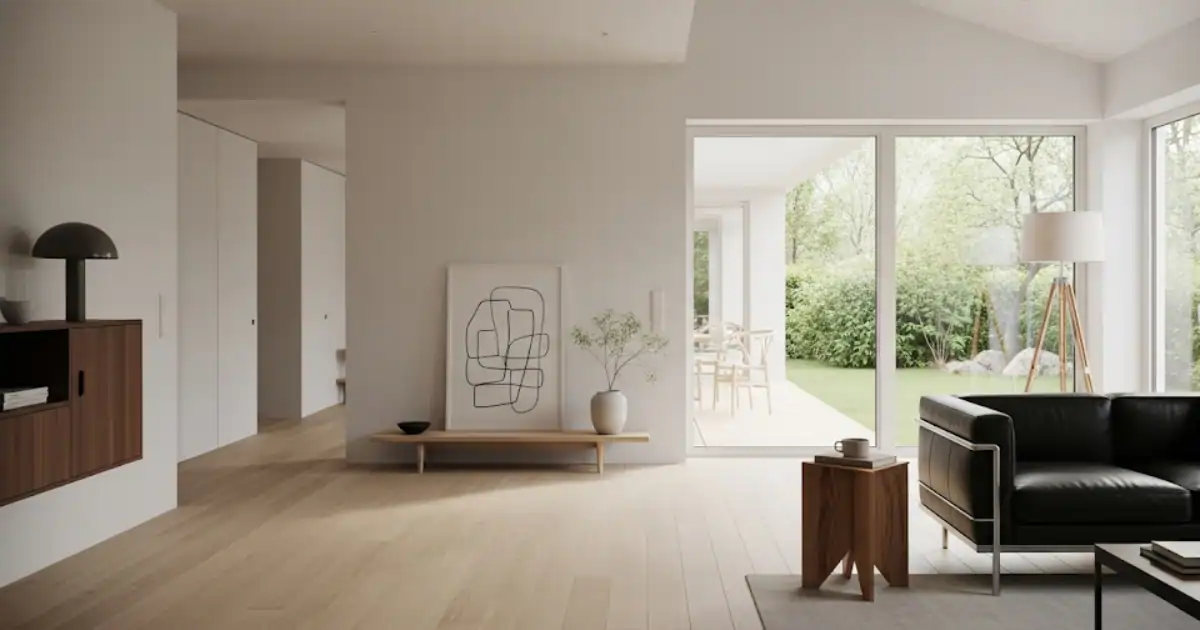
Minimalism: Living With Fewer Possessions and a Better Quality of Life
Have you ever felt overwhelmed by everything around you? Clothes you don’t wear, objects gathering dust, unnecessary commitments, digital distractions that take up your time… Modern life encourages us to have more, do more, and consume more. But does all this excess really make us happy?
Minimalism has emerged as a response to this culture of accumulation. It proposes a lifestyle where less is more: fewer distractions, less noise, less weight. More clarity, more presence, more freedom.
In this article, we’ll explore what minimalism is, why it’s so transformative for your quality of life, how to apply it in practical ways in different areas of your life, and how it can help you live a simpler, more meaningful, and more intentional life.
What is minimalism?
Minimalism is a lifestyle based on intentionality. It’s about keeping only what really matters and letting go of what is excess, noise, or a distraction.
“Minimalism isn’t about living with almost nothing. It’s about living with what matters.”— Joshua Becker, author of “Less Is More”
It's not just about having few possessions—it's about getting rid of what doesn't align with your values and your peace of mind.
Practical applications:
Why Does Excess Make Us Sick?
We live in a culture that values having more than being. The result: crowded homes, anxious minds, packed schedules, and little time for what really matters.
Effects of excess:
- Visual and mental stress
- A feeling of suffocation and a lack of control
- Difficulty concentrating
- Financial disorganization
- Superficial Relationships
According to UCLA (University of California), physical disarray increases levels of cortisol—the stress hormone.
Proven Benefits of Minimalism for Quality of Life
“Minimalism brings peace because it helps us return to the essentials.”—Leo Babauta, founder of Zen Habits
How to Put Minimalism into Practice (Start Small)
A. Start with the physical space
Pick a drawer, a shelf, or a box. Ask:
- Do I use this?
- Is this good for me?
- Does that represent who I am today?
Tip: Use the 90/90 rule—if you haven't used it in the last 90 days and don't plan to use it in the next 90, let it go.
B. Digital: Clear Your Mind by Clearing Your Screens
- Delete apps you don't use
- Mute non-essential notifications
- Do a “digital detox” 1 time per week
C. Schedule: Say "no" more often
- List what really matters in your week
- Cancel or postpone anything that’s just an obligation
- Set aside time for yourself (as if it were an important meeting)
Minimalist actions by category
Case Study: Daniela, 35, businesswoman
Problem: She lived with constant stress, difficulty focusing, and excessive consumption to relieve anxiety.
Solutions implemented:
- She adopted the “1 in, 1 out” rule for purchases
- She did a complete clean-out of her closet and donated 70% of her clothes
- She established a routine that includes some quiet time in the morning
- She started using only one social media platform (she uninstalled 5 apps)
Results in 3 months:
- 40% reduction in consumption
- She reported greater clarity and peace of mind
- Free time to take up a hobby (gardening)
- She reorganized her schedule and became more productive at work
Minimalism isn't rigidity. It's freedom.
A common mistake is to associate minimalism with deprivation or coldness. On the contrary:
- You can be a minimalist and still have a cozy home
- You can love fashion and still have a minimalist yet versatile wardrobe
- You can pay attention to the details without having to accumulate things
Minimalism is about making conscious choices. It's about living with intention, not out of obligation.
Common Obstacles (and How to Overcome Them)
The Collective Impact of Minimalism
Individual minimalism, as a philosophy of life, advocates a conscious reduction in consumption and the accumulation of material possessions, prioritizing what is essential and what adds real value to life. By adopting this approach, individuals seek not only greater mental clarity and personal well-being but also break away from consumption patterns imposed by a materialistic and fast-paced culture. This shift in perspective encourages more conscious choices, such as purchasing durable products, reusing items, and avoiding waste.
From a social perspective, minimalism can have a positive impact by challenging established norms of status and success based on consumption. By valuing experiences over possessions, minimalists contribute to a society that is less unequal and less focused on the accumulation of material wealth. This practice also promotes the sharing of resources, such as the collective use of goods and services, strengthening communities and reducing competition for superfluous goods.
From an environmental perspective, individual minimalism plays an important role in reducing one’s ecological footprint. By consuming less, we reduce the demand for natural resources and energy, as well as the production of waste and carbon emissions. This can mean less pollution, reduced extraction of raw materials, and a direct contribution to the fight against climate change. When adopted by a growing number of people, minimalism becomes a political and ecological act, demonstrating that small individual choices can have a significant collective impact.
Embracing minimalism also benefits the world around you:
- Reduces consumption and waste
- Promotes sustainable practices
- Promotes the circular economy
- Inspires others to live more lightly
Powerful quotes to rethink consumption and excess
“You are not what you have. You are what you experience.”— Unknown
“There is no greater freedom than not needing so much.”— The Minimalists
“Enough is the new luxury.”— The Essence of Minimalism
Living with less is living with more
More peace. More focus. More time. More meaning.
Minimalism isn't a trend—it's a lifestyle in tune with the challenges and pace of modern life. It doesn't limit you. It frees you from what keeps you from living what truly matters.
Start with a drawer. One day on your calendar. One spending habit. And allow yourself to rediscover what really matters.
Fewer things. More life.
See also
Comments
Loading comments…