
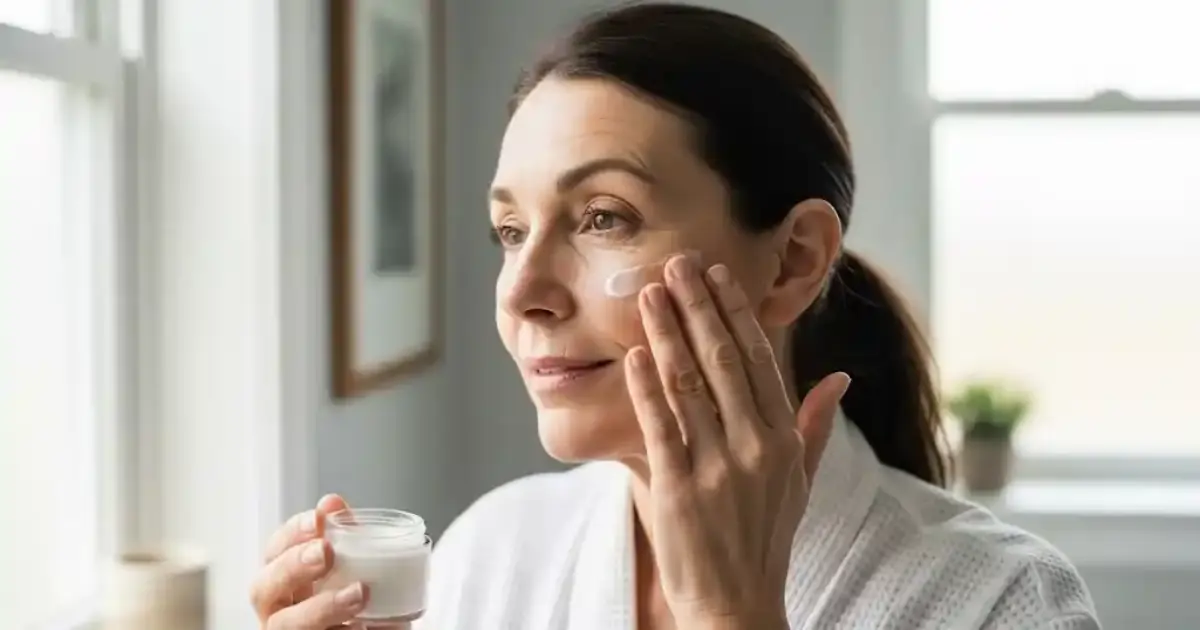
Skincare for Mature Skin
Aging is inevitable—but the way we care for our skin over the years can make all the difference in our appearance, health, and self-esteem. Mature skin requires special care: collagen production decreases, fine lines appear, and the skin’s texture changes. But with the right products and habits, it’s entirely possible to maintain firm, hydrated, radiant, and healthy skin at any age.
How does the skin change over time?
Over time, the skin undergoes various natural changes, influenced by both chronological aging and external factors, such as sun exposure, diet, and lifestyle habits. In youth, the skin tends to be firmer, more elastic, and better hydrated, due to the abundance of collagen, elastin, and hyaluronic acid. These components maintain the skin’s structure and healthy appearance, ensuring its resilience and ability to regenerate.
As we age, collagen and elastin production decreases significantly, leading to a loss of firmness and elasticity. Skin cells also renew themselves more slowly, resulting in a rougher, duller texture. Wrinkles and expression lines begin to appear, initially in areas of greater movement, such as around the eyes and mouth. The skin may also become thinner and more sensitive, with a reduced ability to retain moisture, contributing to dryness.
Another important factor is the impact of ultraviolet radiation, which accelerates the skin’s aging process—a phenomenon known as photoaging. Cumulative sun exposure over a lifetime can cause dark spots, loss of skin tone uniformity, and, in more severe cases, increase the risk of skin cancer. In addition, pollution and oxidative stress also contribute to premature aging.
Although these changes are natural, there are steps you can take to slow their effects. Daily use of sunscreen, a skincare routine with appropriate products, a balanced diet, and staying hydrated are essential for maintaining the health and appearance of your skin over the years. Regular visits to a dermatologist also help prevent and treat skin conditions, promoting healthier and more mindful aging.
Starting at age 30, the body begins to produce less collagen, elastin, and hyaluronic acid—substances responsible for firmness, elasticity, and hydration:
The Needs of Mature Skin
Mature skin needs:
- Deep Hydration
- Firmness and density
- Dark-spot correction and even skin tone
- Intense sun protection
- Antioxidant action to combat free radicals
“Mature skin needs more than just anti-aging products. It needs respect, consistency, and awareness.”—Dr. Silvia Brenner, a dermatologist specializing in rejuvenation
Essential Steps in a Skincare Routine for Mature Skin
A. Gentle cleansing
- Use alcohol-free soaps with a physiological pH
- Avoid scrubbing or using loofahs—opt for gentle circular motions
B. Intensive hydration
- Products containing hyaluronic acid, ceramides, and panthenol help restore the skin barrier
- Use moisturizers both in the morning and at night
C. Antioxidants in the Morning
- Vitamin C is essential for lightening dark spots and preventing premature aging
D. Sunscreen with a high SPF
- Use a tinted SPF 50 sunscreen (physical and chemical protection) every day
- Reapply every 3 hours
E. Nighttime renewal active ingredients
- Ingredients such as retinol, peptides, and niacinamide stimulate collagen production and renew the skin
Routine step + ideal active ingredient for mature skin
Habits That Make a Difference in the Beauty of Mature Skin
Complementary cosmetic treatments
Complementary aesthetic treatments have gained prominence as important allies in the care of mature skin. As we age, the skin loses collagen, elastin, and hyaluronic acid, which results in sagging, wrinkles, and loss of volume. In this context, aesthetic procedures can help restore firmness, improve texture, and even out skin tone, resulting in a more youthful and healthy appearance.
Among the most popular treatments is the application of botulinum toxin (Botox), which smooths dynamic wrinkles by relaxing the facial muscles. Hyaluronic acid fillers, on the other hand, are effective for restoring lost volume, especially in areas such as the cheeks and around the lips. In addition, collagen biostimulation using substances such as polylactic acid or calcium hydroxyapatite stimulates the natural production of this protein, contributing to a gradual improvement in skin firmness.
Treatments using technology are also widely used. Fractional laser therapy, for example, promotes cell renewal and improves skin texture, while radiofrequency and microfocused ultrasound stimulate collagen in deeper layers, resulting in greater firmness and elasticity. These treatments are recommended on a personalized basis, according to the individual needs of mature skin.
It’s important to note that these procedures should be performed by qualified professionals and always accompanied by a daily skincare routine, including moisturizing, sun protection, and the use of products specifically designed for mature skin. The combination of aesthetic treatments and regular skincare maximizes results and contributes to a more balanced and confident aging process.
Case Study: Neide, 58, retired teacher
Challenge: Her skin felt dull, saggy, and blotchy after years without a skincare routine.
Solutions implemented:
- She started with a simple routine: cleansing, vitamin C, and sunscreen in the morning; retinol and moisturizer at night
- She added a collagen clay mask 1 time per week
- She changed her diet and started going to bed 1 hour earlier
Results after 2 months:
- Firmer, more radiant skin
- Visible improvement in dark spots and fine lines
- Restoring self-esteem and the desire to take care of oneself
Myths About Skincare for Mature Skin
Mature beauty is conscious beauty
Caring for mature skin is an act of respect, self-love, and mindfulness. It’s not about turning back time—it’s about moving forward with dignity, radiance, and health.
You don't need to hide your age. You need to cherish your history and take care of yourself wisely.
Because beauty isn't about the absence of wrinkles—it's about being yourself at every stage of life.
See Also
Comments
Loading comments…