
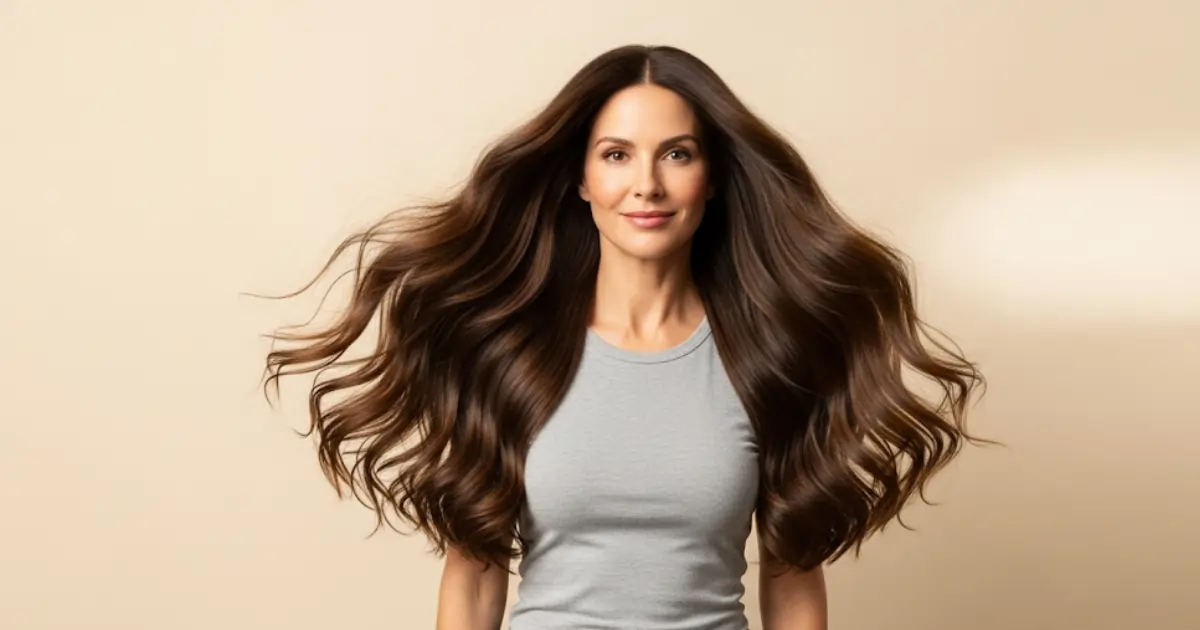
Restore Your Hair’s Strength with a Strengthening Routine
Have you noticed that your hair has become thinner, more brittle, or is falling out in greater quantities? This could be a sign that the hair fiber has weakened and that your scalp needs attention. Hair is more than just a cosmetic feature: it’s a reflection of our internal health—emotional, nutritional, and hormonal. That’s why strengthening your hair is a process that starts from the inside out, but also involves consistent external care.
In this article, you’ll learn how hair strengthening works, what factors weaken your hair the most, which habits and ingredients really work, and how to create an effective plan to restore your hair’s health and shine.
Why does hair become weak?
Hair weakening can be caused by a variety of factors:
“Weak hair is a symptom, not just a cosmetic issue. Strengthening the hair strands means strengthening the body.”— Dr. Larissa Lacerda, dermatologist and trichologist
How can you tell if your hair is weak?
Identifying weakened hair is essential for taking quick action, strengthening the hair, and preventing further damage. One of the first signs is excessive hair loss. Although it’s normal to lose a certain amount of hair each day, when large amounts of hair fall out while washing, combing, or even running your fingers through it, this may indicate that your hair is fragile and needs care.
Another common symptom of hair weakening is hair breakage. Unlike hair loss, which occurs at the root, breakage happens along the length of the strand, leaving strands of hair scattered about. This is usually associated with a lack of nutrients, excessive heat styling (such as flat irons and blow dryers), or harsh chemical treatments, such as straightening and bleaching.
The appearance of your hair can also indicate weakness. Hair that lacks luster, looks dull, feels rough to the touch, and has split ends is a sign that the hair shaft is damaged. In addition, when hair has trouble growing or grows thinner than usual, it’s a sign that the root may also be compromised.
The scalp may show signs such as sensitivity, excessive oiliness, or flaking, which directly affect the health of the hair. Noticing these changes and seeking appropriate treatments—such as a hair care regimen or professional advice—is essential for strengthening your hair and restoring its strength, vitality, and healthy growth. Always keep the following in mind:
- Excessive hair loss while combing or washing
- Frequent brittle or split ends
- Fine, brittle strands with no elasticity
- Hair that feels porous, coarse, or limp
- Slow or irregular growth
Steps in an Effective Hair-Strengthening Plan
A. Internal care (from the inside out)
1. A diet rich in essential nutrients
2. Hydration and Water Intake
- Drinking at least 2 liters of water a day helps improve elasticity and shine and prevent breakage.
B. External care (from the outside in)
1. Washing Routine
- Avoid very hot water, which damages the cuticle
- Choose mild shampoos that are sulfate- and paraben-free
- Massage your scalp while washing your hair—it boosts circulation
2. Hair Care Schedule
A hair care regimen is a routine divided into three main stages: hydration, nourishment, and repair. Each of these phases plays an essential role in strengthening the hair, helping to restore its health and prevent breakage. The idea is to create a personalized treatment schedule that addresses the specific needs of each hair type.
Moisturizing is the most frequent step and aims to replenish the hair’s water and moisture content, which is essential for keeping hair soft and shiny. It is especially recommended for dry, dull, or frizzy hair. Ingredients such as aloe vera, panthenol, and glycerin are commonly used in this step to restore the hair’s softness.
The nourishment stage replenishes lipids—that is, the natural oils that protect and strengthen the hair shaft. It is recommended for hair that is porous, very frizzy, or has split ends. Plant-based oils such as coconut, argan, and avocado oils are commonly used during this phase and help keep hair strong and soft.
Reconstruction replenishes keratin and other proteins essential to hair structure and strength. It is recommended for hair that is extremely damaged, brittle, or has undergone chemical treatments. However, it should be done in moderation, as too much keratin can make the hair stiff. Following the hair care schedule correctly supports stronger, healthier hair and more robust growth over time. The schedule includes 3 alternating steps to restore the hair fiber:
3. Strengthening products
Look for active ingredients such as:
- Plant-based keratin
- Biotin
- Panthenol (provitamin B5)
- Collagen
- Castor oil
- Caffeine (stimulates growth)
Natural At-Home Treatments
Olive Oil + Egg Mask (Deep Nourishment)
- 1 egg yolk + 1 tablespoon of olive oil + 1 tablespoon of honey
- Leave it on for 30 minutes with a heat cap
Fermented rice water (gentle repair)
- Strengthens hair fibers with amino acids
- Soak the uncooked rice for 24 hours, strain it, and apply it to your hair
Case Study: Juliana, 32, administrator
Problem: Significant hair loss, persistent frizz, and no hair growth for months.
Actions taken:
- Adjusted her diet to include more protein and iron
- She started a hair care routine 3 times a week
- She included biotin and collagen supplements
- She avoided using a flat iron, a hot hair dryer, and excessive washing
Results after 60 days:
- Visible growth (2.5 cm in 2 months)
- 70% reduction in hair loss
- Thicker strands with a natural shine
- Higher self-esteem and personal motivation
6. When should you see a professional?
- When hair loss is severe and persistent
- When there are visible areas of hair loss on the scalp
- When Your Hair Doesn't Respond to Any Treatment
- When there is pain or inflammation on the scalp
Dermatologists and trichologists are specialists qualified to provide diagnosis and clinical treatment.
Your hair reflects how well you take care of yourself
Strengthening your hair is a process that requires care and patience, and involves your body, mind, and daily routine.
You don't need expensive products or miraculous promises—you need consistency, quality information, and mindful self-care.
Healthy hair is the result of daily choices. And the more you take care of yourself, the more your natural beauty shines through.
Related Articles
Comments
Loading comments…