Functional Decor
Decorating is much more than just beautifying a space. It’s about making it useful and welcoming. Functional decor emerged as a response to changes in modern lifestyles, where time is scarce and space is often limited. According to a survey by the Brazilian Association of Interior Designers (ABD), 68% of people say that an organized and functional environment improves mood and productivity. Therefore, investing in smart design is investing in quality of life.
Why Functionality Is the New Luxury
The new concept of luxury is no longer about expensive items, but about the user experience. Well-designed spaces provide comfort, fluidity, and well-being.
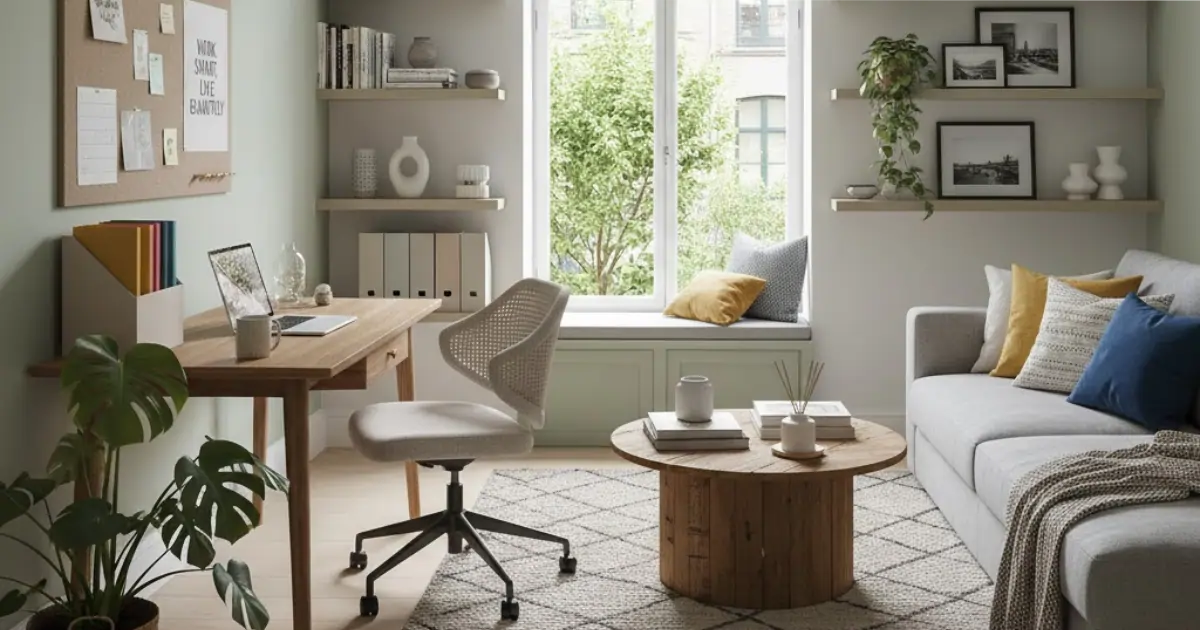
👉 Practical example: An office with a tidy desk, good lighting, and ergonomic furniture can increase productivity by up to 30%, according to data from the Harvard Business Review.
Functional decor combines style and practicality; every piece of furniture, color, and object serves a purpose.
Principles of Functional Decor
Functional decor is a trend that combines aesthetics and practicality, aiming to create beautiful spaces that also fully meet everyday needs. The main goal of this style is to make smart use of every space, optimizing the use of rooms without compromising comfort. Thus, beauty and utility go hand in hand, resulting in more balanced and welcoming homes.
The first principle of functional decorating is organization. Before thinking about furniture and colors, it’s essential to determine what really needs to be in each room. This prevents the accumulation of unnecessary objects and ensures a sense of flow. Organized spaces promote concentration, cleanliness, and a sense of well-being, making the space feel lighter and more pleasant.
Another key point is optimizing space. Especially in apartments or small homes, every square meter must be planned carefully. Multifunctional furniture, such as sofa beds, folding tables, and beds with drawers, are indispensable allies. They allow a single space to serve different purposes without losing its charm and harmony.
Furniture functionality is also a basic principle of functional decor. Before choosing a piece of furniture, it’s important to evaluate not only its design but also how useful it will be in everyday life. Ergonomic, modular furniture with built-in storage makes daily life more practical and keeps the space tidy at all times.
The flow of space must be planned strategically. A functional environment is one in which people can move freely, without obstacles or an overcrowding of furniture. The arrangement of items should prioritize flow and accessibility, especially in high-traffic areas such as living rooms and kitchens.
Another essential principle of functional decor is efficient lighting. Natural light should be maximized, as it not only saves energy but also creates a more pleasant and healthy atmosphere. At night, artificial lighting should be planned using different types of light—direct, indirect, and decorative—to accommodate various activities and times of the day.
The color palette also influences functionality. Neutral and light colors visually expand the space and create a versatile foundation for the decor. More vibrant shades can be used in accents, such as pillows, pictures, or decorative objects, adding personality without compromising the overall harmony.
Integration between spaces is another key concept. Integrated spaces, such as open-concept kitchens and living rooms, encourage social interaction and make the most of the available space. The interior design should ensure smooth transitions between these areas, maintaining aesthetic and functional consistency across the different rooms.
Purposeful personalization strikes a balance between aesthetics and necessity. Functional decor is not impersonal; it reflects the lifestyle of those who live there. Every choice—whether it’s a painting, a bookshelf, or a plant—should have a clear reason behind it, whether aesthetic, emotional, or practical.
The use of durable, easy-to-maintain materials is another important principle of functional decor. Sturdy surfaces, washable fabrics, and easy-to-clean finishes make it easier to maintain the home and extend the life of the furniture. As a result, the space remains beautiful and functional for longer.
Sustainability is also an increasingly important pillar of functional decor. Choosing furniture made from recyclable materials, eco-friendly paints, and long-lasting products is a way to combine functionality with environmental responsibility, creating a more mindful and balanced space.
Comfort is essential. Even when the focus is on practicality, a functional space needs to be welcoming. Pillows, rugs, textures, and soft lighting help create a pleasant atmosphere without compromising the space’s efficiency.
Integrated technology is a modern element of functional decor. Features such as smart lighting, built-in outlets, wireless chargers, and technology-friendly furniture make the space more practical and better suited to contemporary needs.
Another key aspect of functional design is the division of spaces into zones. Even in open-concept layouts, it’s important to visually delineate different areas of use. Rugs, lightweight room dividers, or different types of lighting can create a functional separation between, for example, a workspace and a relaxation area.
The proportions of the elements must always be taken into account. Large pieces of furniture in small spaces create a cramped feeling, while small pieces in large areas may seem out of place. Visual balance is essential for functionality and aesthetics to complement each other.
The versatility of spaces is also a valuable principle. A single space can serve different purposes throughout the day—working, relaxing, entertaining guests. That’s why investing in adaptable furniture and flexible solutions is essential for making smart use of every corner.
The use of mirrors and transparent materials is a functional technique that visually expands the space and improves lighting. Well-placed mirrors reflect natural light, while glass or acrylic furniture makes the space feel lighter and more open.
Simplicity in design is another core value. Straight lines, clean shapes, and the absence of excess make the space easier to maintain and more pleasant to live in. Less is more when it comes to functionality, and minimalist aesthetics foster a sense of order and clarity.
The most important principle of functional decor is the balance between beauty and utility. A functional space does not sacrifice aesthetics, but prioritizes comfort and practicality. Every element has a reason for being there, contributing to well-being and the smart use of the home.
Functional decor is, therefore, a way to live with greater purpose. It invites us to reflect on what truly matters, replacing excess with intention and improvisation with planning. The result is a space that embodies personality, comfort, and efficiency—the true ideal of a contemporary home.
Smart Planning
Before decorating, take a look at how the space is used on a daily basis.👉 Tip: Sketch out the layout and identify areas with too many objects or poor traffic flow.
Multifunctionality
Choose furniture that serves a dual purpose, such as sofa beds, fold-down worktops, and retractable tables.
Visual Organization
Less is more: focus on what's essential. Clean spaces enhance the feeling of comfort.
Ergonomics
In the workplace, adjustable chairs and desks at the correct height are essential for good posture.
Colors, lighting, and materials
The harmony between colors, lighting, and materials is the foundation of any successful functional decor project. These three elements not only define the style of a room but also directly influence the feelings and comfort of those who occupy it. When combined effectively, they create balanced, welcoming, and visually pleasing spaces capable of completely transforming the atmosphere of a home.
Colors are the starting point for creating a room’s atmosphere. They have the power to make areas appear larger or smaller, or to highlight them, as well as to evoke different emotions. Light tones, such as white and beige, visually expand the space and bring a sense of lightness, while dark colors, such as gray and navy blue, create a cozy and sophisticated atmosphere. Vibrant shades, such as yellow, green, and orange, are ideal for accents that energize the space and add personality.
The choice of colors should take into account the room’s function. In bedrooms, it’s recommended to use soft, cool tones, which promote relaxation. In living areas, such as living rooms and kitchens, warm and cheerful colors stimulate interaction and appetite. Combining different shades, when done in a balanced way, can create dynamic and stylish designs.
Lighting is another essential element that goes beyond aesthetics: it sets the mood and influences well-being. Natural light should always be prioritized, as it saves energy and makes spaces feel more lively and healthy. Large windows, sheer curtains, and the use of mirrors help distribute natural light more effectively throughout the day.
Artificial lighting, on the other hand, should be planned in layers: general lighting, task lighting, and decorative lighting. General lighting ensures visibility, usually provided by recessed lights or ceiling fixtures. Task lighting is directional, ideal for reading, cooking, or working. Decorative lighting, such as table lamps and LED strips, serves to highlight specific elements and create a more intimate atmosphere.
The color temperature of the light also makes a difference. Warm (yellowish) lights create a cozy atmosphere, making them ideal for bedrooms and living rooms. Cool (white or bluish) lights promote concentration and are recommended for offices and kitchens. A good lighting design balances these color temperatures to create functional and pleasant environments.
Materials complete the triad of interior design, combining texture, durability, and style. They define the character of a space—wood conveys warmth and coziness; glass and metal lend a modern feel; fabrics provide comfort; and natural stones, such as marble and granite, add elegance. The choice of materials should take into account both the desired aesthetic and the functionality of the space.
Combining different textures is an effective way to create contrast and depth. A room decorated entirely in neutral tones, for example, comes to life with the use of varied materials: wood with linen, metal with leather, or stone with glass. This mix adds personality and dynamism, preventing visual monotony.
In addition to appearance, it’s essential to consider the maintenance and durability of the materials. Surfaces that are easy to clean and moisture-resistant, such as porcelain tile or laminated MDF, are ideal for high-traffic areas. More delicate materials, such as fine fabrics and natural wood, should be used in areas with less foot traffic.
The balance between colors, lighting, and materials is the key to creating cohesive and comfortable spaces. None of these elements should stand out excessively; they all need to complement one another. When there is visual and sensory harmony, the space conveys a sense of well-being, identity, and functionality, reflecting, above all, the lifestyle and essence of those who inhabit it.
- Light colors make small spaces appear larger.
- Warm colors create a cozy atmosphere; cool colors promote concentration.
- Natural light is a priority; use white lights in the office and warm-toned lights in rest areas.
- Natural materials such as wood, cotton, and linen add texture and visual comfort.
👉 A study by the University of Texas showed that proper lighting can increase satisfaction and focus by up to 20%.
Functional Decor for Specific Spaces
Living room
Use floating shelves and compact furniture.👉 Example: A wall-mounted TV unit frees up floor space, making it easier to clean and making the room feel more spacious.
Kitchen
Invest in internal dividers and adjustable shelves.👉 Tip: Casa Vogue magazine reports that custom-built kitchens increase space efficiency by up to 40%.
Home Office
Prioritize visual comfort, good ventilation, and sound insulation.
Bedroom
Choose beds with storage compartments and headboards with built-in niches.
Sustainability and functionality
Functional decor is also sustainable.
- Give old furniture a new look by repainting it.
- Opt for recyclable materials and LED lighting.
- Choose natural plants, which purify the air and create a balanced environment.
👉 According to the International Well Building Institute (IWBI), plants reduce stress by up to 15% and increase the sense of well-being.
Smart Organization
Custom-made furniture
Custom-made, they make the most of every centimeter.
Baskets and Storage Boxes
Perfect for small items.
Room dividers
They create different areas without the need for construction work.
👉 Example: Open shelving serves as a room divider, allowing light to flow through and making the space feel more open.
How to Combine Style and Functionality
Functional decor doesn't have to be cold or impersonal. Mix styles, textures, and objects with sentimental value—the secret lies in the intention.
👉 Practical example: An office with photos and personal items fosters creativity and a sense of belonging, as long as it is kept organized.
Functionality is synonymous with well-being
Functional decor is the art of combining purpose, beauty, and comfort. Each item should add value to daily life, simplifying it and making spaces more welcoming. A well-planned environment inspires productivity, relaxation, and balance, both inside and outside the workplace.
See also
Comments
Loading comments…