

Balanced Diet
In an era of fad diets, the concept of a balanced diet is gaining prominence for promoting balance and food sustainability. Eating well isn’t just about counting calories; it’s about nourishing the body and mind in a smart way. According to the World Health Organization (WHO), 80% of chronic diseases can be prevented through a healthy diet. This includes type 2 diabetes, high blood pressure, obesity, and even some types of cancer.
The Pillars of a Balanced Diet
A balanced diet combines variety, moderation, and nutritional quality. This means including all food groups, while taking into account the proper proportions and individual needs.
👉 Practical example: Putting together a plate with 50% vegetables, 25% protein, and 25% complex carbohydrates is a simple and effective way to maintain balance.
Macronutrients and Their Roles in a Balanced Diet
Carbohydrates
Main source of energy. Choose whole-grain options such as oats, sweet potatoes, and brown rice.
Proteins
Essential for muscle building and cell regeneration. Include eggs, fish, legumes, and lean meats in your diet.
Good Fats
Essential for vitamin absorption and hormonal balance. Ideal sources: olive oil, nuts, avocados, and fish rich in omega-3.
👉 The Harvard School of Public Health notes that diets rich in healthy fats reduce cardiovascular risk by up to 30%.
Micronutrients and the Importance of Colors on Your Plate
Vitamins and minerals play vital roles in metabolism and immunity.
- Orange/red: rich in beta-carotene and vitamin C.
- Dark green: a source of iron, calcium, and magnesium.
- Purple: antioxidants that slow cellular aging.
👉 Practical tip: The more colorful the dish, the more nutritionally complete it will be.
The Role of Hydration
Water is essential for digestion, nutrient transport, and the elimination of toxins.👉 The European Food Safety Authority (EFSA) recommends an average intake of 2 to 2.5 liters of water per day.
Also include healthy beverages, such as herbal teas and unsweetened juices.
The Balance Between Pleasure and Discipline in a Balanced Diet
Eating well doesn't mean giving up pleasure. The key lies in balance and mindful eating.
- Allow yourself a few small treats, but do so in moderation.
- Avoid extreme restrictions, which lead to the yo-yo effect.
- Practice “mindful eating,” paying attention to flavors and feelings of fullness.
👉 A study published in Appetite showed that eating slowly and mindfully reduces calorie intake by up to 15%.
A Balanced Diet in Everyday Life
A balanced diet is essential for maintaining the body’s proper functioning and preventing disease. It consists of consuming, in a balanced way, foods from all food groups—such as carbohydrates, proteins, fats, vitamins, and minerals—while taking into account each person’s individual needs. When the diet is varied and well-spaced throughout the day, the body receives the nutrients it needs to perform its functions efficiently.
The first step toward a balanced diet is to prioritize natural and minimally processed foods. Fruits, vegetables, legumes, whole grains, and lean proteins should be included in your daily meals. These foods provide a steady source of energy without causing spikes in blood sugar, and they also contribute to gut health and a stronger immune system.
Proteins play an essential role in building and repairing body tissues. They can be found in both animal sources—such as meat, eggs, and dairy products—and plant sources, such as beans, lentils, chickpeas, and tofu. Including a good source of protein in every meal helps you stay full longer and is especially important for people who exercise regularly.
Carbohydrates, often seen as the bad guys, are actually the body’s main source of energy. The difference lies in the quality of the carbohydrates consumed. It’s best to choose whole-grain options, such as brown rice, oats, sweet potatoes, and quinoa, which contain fiber and nutrients that aid digestion and help control blood sugar levels. Avoiding excessive consumption of refined and ultra-processed sugars is essential for maintaining metabolic health.
Good fats are also essential to a balanced diet. Found in foods such as olive oil, avocados, nuts, and fish rich in omega-3, they aid in the absorption of fat-soluble vitamins (A, D, E, and K) and contribute to heart and brain health. The key is to consume them in moderation, always choosing unsaturated fats over saturated or trans fats.
Fruits and vegetables are excellent sources of vitamins, minerals, and antioxidants. Each color represents a different set of nutrients, which is why it’s recommended to “eat the rainbow.” This means including foods of various colors on your plate, such as carrots, broccoli, beets, tomatoes, spinach, and mangoes. This variety ensures a complete nutritional intake and strengthens the immune system.
Another important aspect of a balanced diet is staying properly hydrated. Water is essential for virtually all bodily functions, from transporting nutrients to regulating body temperature. It’s best to drink at least 2 liters of water a day, adjusting the amount based on the weather and your level of physical activity. Fresh juices, unsweetened teas, and water-rich fruits also help with hydration.
Planning your meals throughout the day makes all the difference. Eating at regular intervals helps balance your metabolism and prevents overeating due to pent-up hunger. Healthy snacks between main meals—such as fruit, plain yogurt, or nuts—can be good options for maintaining your energy levels and avoiding ultra-processed foods.
In addition, it’s important to develop a healthy relationship with food in order to maintain a balanced diet. Eating mindfully—savoring your food and paying attention to signs of hunger and fullness—contributes to physical and emotional well-being. Overly restricting or demonizing certain foods can cause anxiety and lead to unhealthy eating behaviors. Balance should always take precedence over rigidity.
A balanced diet should be sustainable and tailored to each person’s lifestyle. It’s not about following fad diets, but about developing consistent habits that can be maintained over the long term. Small changes—such as eating more vegetables, cutting back on ultra-processed foods, and planning meals—can already yield significant benefits for health, energy levels, and quality of life.
Nutritious Breakfast
Include fruits, protein, and whole-grain carbohydrates.
A Balanced Lunch
Combine vegetables, lean proteins, and whole grains.
Healthy Snacks
Nuts, plain yogurt, dried fruit, or sugar-free bars.
Light dinner
Avoid heavy meals and opt for soups or salads with protein.
👉 Real-life example: Following the “Harvard Plate” is a practical guide to a balanced diet, recommended by nutritionists around the world.
How to Incorporate a Balanced Diet into a Healthy Routine
Adopting a healthy routine based on a balanced diet requires planning, discipline, and self-awareness. The first step is to understand that radical, immediate changes rarely work in the long run. The best strategy is to make small, consistent adjustments, such as including more fruits and vegetables in your meals and gradually reducing your consumption of ultra-processed foods. This way, your body and mind naturally adapt to new habits without causing frustration.
Meal planning is one of the keys to maintaining a balanced diet. Setting aside some time during the week to plan your menu, go grocery shopping, and prepare some meals in advance helps you avoid making impulsive decisions. When you have healthy, ready-to-eat or pre-prepared options available, it’s easier to resist the temptation to order takeout or resort to unhealthy snacks.
Having a structured eating routine also means sticking to regular meal times. Eating on a regular schedule helps keep your metabolism balanced and prevents excessive hunger, which can lead to overeating. Snacks between meals, such as fruit, plain yogurt, or nuts, can help keep your energy levels stable between main meals.
Another essential tip for a balanced diet is to start the day with a nutritious breakfast. This meal provides energy for the first few hours of the day and helps prevent overeating at subsequent meals. A combination of protein, fiber, and complex carbohydrates—such as eggs, oats, and fruit—keeps you feeling full and energized.
When adapting your routine to a balanced diet, it’s also important to pay attention to your own body. Everyone has a different metabolism and different needs. Adjusting portion sizes, meal times, and food choices based on your level of physical activity and lifestyle is essential. Paying attention to your body’s hunger and fullness cues helps maintain balance and prevents overeating.
Hydration is another factor that cannot be overlooked. Drinking water regularly is essential for the body to function properly, as it affects digestion, circulation, and nutrient absorption. Keeping a bottle nearby at all times and setting daily goals for water intake can be a simple and effective strategy.
In addition to diet, incorporating physical activity into your routine complements a healthy lifestyle. Regular exercise improves metabolism, helps with weight management, and strengthens the cardiovascular system. Ideally, choose an activity you enjoy so that the habit is sustainable.
It’s equally important to prioritize sleep quality. Sleeping well helps regulate hormones and control appetite, and it allows the body to recover properly. Healthy eating and sleep go hand in hand: what you eat affects your sleep, and your sleep affects what you eat.
Maintaining emotional balance is also part of the adjustment process. Many people have an emotional connection to food, using it as a way to relieve stress. Learning to recognize these triggers and replace them with healthier habits—such as meditation, reading, or taking a walk—is essential to the success of your routine.
Adopting a healthy routine doesn’t mean giving up the pleasure of eating. It’s possible to enjoy meals that are both tasty and balanced. The secret lies in moderation and variety. Eating mindfully—respecting your body and personal preferences—is the most sustainable path to a balanced life full of vitality:
- Weekly planning: Make a shopping list and prepare meals in advance.
- Avoid ultra-processed foods: they contain too much sodium and unhealthy fats.
- Read labels: the fewer ingredients, the better the food.
- Sleep well: Lack of sleep alters the hormones that regulate hunger and satiety.
👉 Data from the Sleep Foundation show that sleeping less than 6 hours increases the risk of weight gain by 24%.
Challenges and Solutions
Challenge: lack of time. Solution: cook in batches and freeze portions.
Challenge: binge eating. Solution: Include protein and fiber in every meal.
Challenge: motivation. Solution: Set short-term goals and celebrate small achievements.
Eating well is an act of self-love
A balanced diet is an investment in health, vitality, and longevity. It’s not about restriction, but about being mindful and choosing what nourishes the body and sustains life. Small daily changes lead to big results.
See Also
Comments
Loading comments…
See also
 Mindful Eating: Relearning How to Eat | Vida Ideal Blog Shop
 Daily Walk: Transform Your Physical and Mental Health One Step at a Time | Vida Ideal Blog Shop
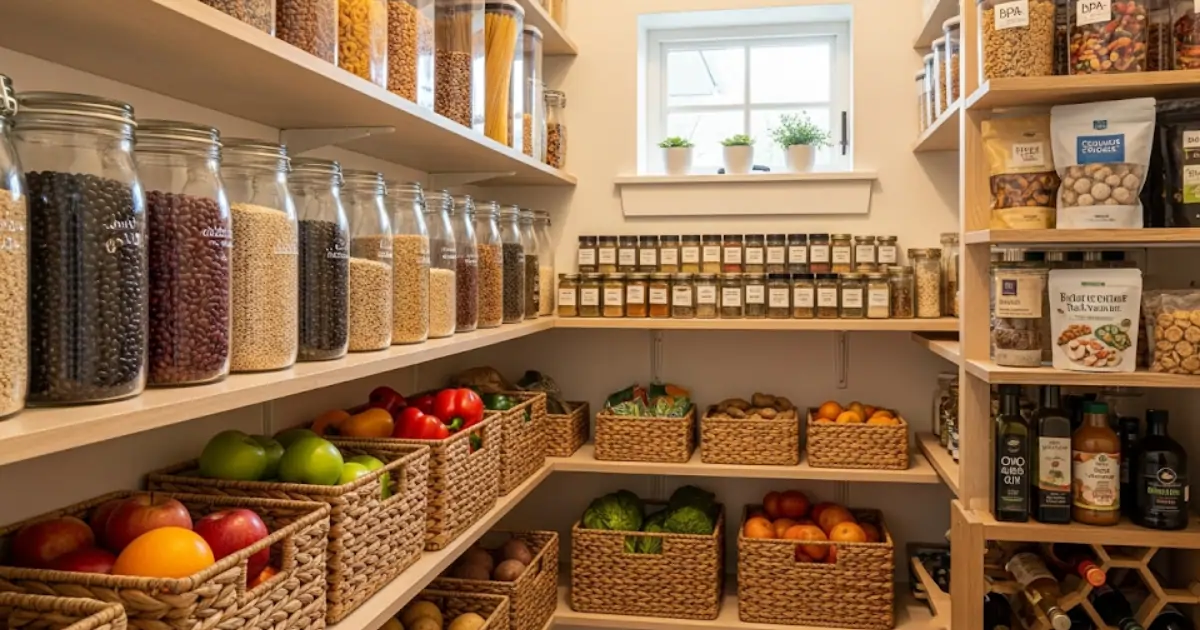 Organizing Your Pantry for Healthy Eating | Vida Ideal Blog Shop
 A Functional Kitchen for Healthier Eating Habits | Vida Ideal Blog Shop
 Healthy and Easy-to-Make Recipes | Vida Ideal Blog Shop
 Healthy Eating: How to Transform Your Routine with Simple and Effective Practices | Vida Ideal Blog Shop
 Healthy and Convenient Lunches for Everyday Life | Vida Ideal Blog Shop
 Healthy Snacks | Vida Ideal Blog Shop