Efficient Skin Care Routine | Vida Ideal Blog and Shop
The skin is the largest organ in the human body—and also the most exposed. It protects, communicates, senses, and regulates. More than that, it reflects how we feel inside: stress, nutrition, sleep, and emotions show on it every day.
That is why caring for your skin is not only a matter of appearance; it is also an act of health, prevention, and self-care. In this article, you will learn how to create an efficient, simple skin care routine tailored to your skin type and focused on real, lasting, natural results.
Why caring for your skin means caring for your health
In addition to its aesthetic role, the skin performs essential functions:
- Protects against microorganisms, pollution, and external agents
- Regulates body temperature
- Participates in vitamin D synthesis when sun exposure is appropriate
- Acts as a barrier against water loss
- Reflects internal health, including nutrition, hormones, liver, and intestinal function
“The skin is the mirror of the body. Caring for it means caring for what is inside you.” — Dr. Paula Correia, dermatologist
Know your skin type
Knowing your skin type is essential for adopting an effective, personalized care routine. Every skin type—oily, dry, combination, normal, or sensitive—has specific characteristics and needs. Correctly identifying them helps you choose suitable products, avoid adverse reactions, and achieve better results in skin treatment, maintenance, and care.
People with oily skin, for example, should choose oil-free products with a dry-touch finish that help control shine and acne. Dry skin needs richer moisturizing formulas with ingredients that help retain its natural moisture. Products unsuited to your skin type can worsen existing problems, including excess oil, flaking, or irritation.
Combination skin, which has oily and dry areas at the same time, requires balanced care. In this case, different products are often used on different areas of the face. Sensitive skin needs gentle, hypoallergenic, fragrance-free formulas to prevent reactions such as redness or burning. Tailoring your skin care routine this way improves treatment effectiveness and comfort in daily life.
Besides helping you choose the right products, knowing your skin type also helps you understand how it reacts to external factors such as climate, pollution, and nutrition. This makes it possible to adjust your skin care routine by season and adopt a more preventive approach. In short, understanding your skin is the first step toward keeping it healthy, beautiful, and well cared for. Before building a routine, identify your skin type:
Skin care routine in 4 essential steps
A. Cleansing
- Removes impurities, sweat, excess oil, and pollution
- Prevents clogged pores and acne breakouts
Tip: use a facial cleanser made for your skin type, never ordinary soap
B. Toning (optional but recommended)
- Rebalances the skin's pH after cleansing
- Helps minimize the appearance of pores and prepare the skin for the next steps
C. Moisturizing
- Prevents dryness and protects the skin barrier
- Even oily skin needs hydration; simply choose the right product
D. Sun protection
- Helps prevent premature aging, dark spots, and skin cancer
- Apply it every day, even on cloudy days or when staying indoors
Recommended step and product for each skin type
Habits that directly affect skin health
Case study: Mariana, 27 years old, architect
Problem: oily skin with adult acne, enlarged pores, and a tired appearance.
Changes made:
- She began washing her face 2 times a day with a suitable cleansing gel
- She used a gel moisturizer + dry-touch sunscreen every day
- She started drinking more water and avoiding fast food
- She added a clay mask 1 time per week
Results after 30 days:
- Fewer blackheads and less oiliness
- More even, radiant skin
- Fewer hormonal breakouts
- Higher self-esteem
Extra care that makes a difference
Caring for your skin goes beyond the basic routine of cleansing, moisturizing, and sun protection. Extra care can make a major difference in the skin's health and appearance by helping prevent premature aging, control oiliness, avoid dark spots, and preserve vitality. One important practice is weekly exfoliation, which removes dead cells and supports cell renewal, leaving the skin smoother and more receptive to other products.
Another essential practice is applying facial masks, which may be moisturizing, purifying, or soothing according to the skin's needs. They provide a deeper, more intensive treatment and visible results in a short time. Ideally, use them once or twice a week, always after cleansing, to enhance their effects.
Nighttime moisturizing is another extra step that makes a real difference. The skin undergoes a regeneration process at night, and specific creams or serums can support this recovery. Products containing hyaluronic acid, vitamin C, or retinol help nourish, brighten, and firm the skin while you sleep.
It is also important to pay attention to your lifestyle because it directly affects skin health. Sleeping well, drinking plenty of water, avoiding excess sugar and alcohol, and managing stress all influence appearance. Extra skin care does not need to be complicated, but it should be consistent to keep the skin healthy, radiant, and protected against damage caused by time and the environment:
- Facial masks: detoxifying, moisturizing, or soothing (1 time per week)
- Exfoliation: removes dead cells and improves texture (1 to 2 times per week)
- Serums and active ingredients: vitamin C, hyaluronic acid, niacinamide, retinol
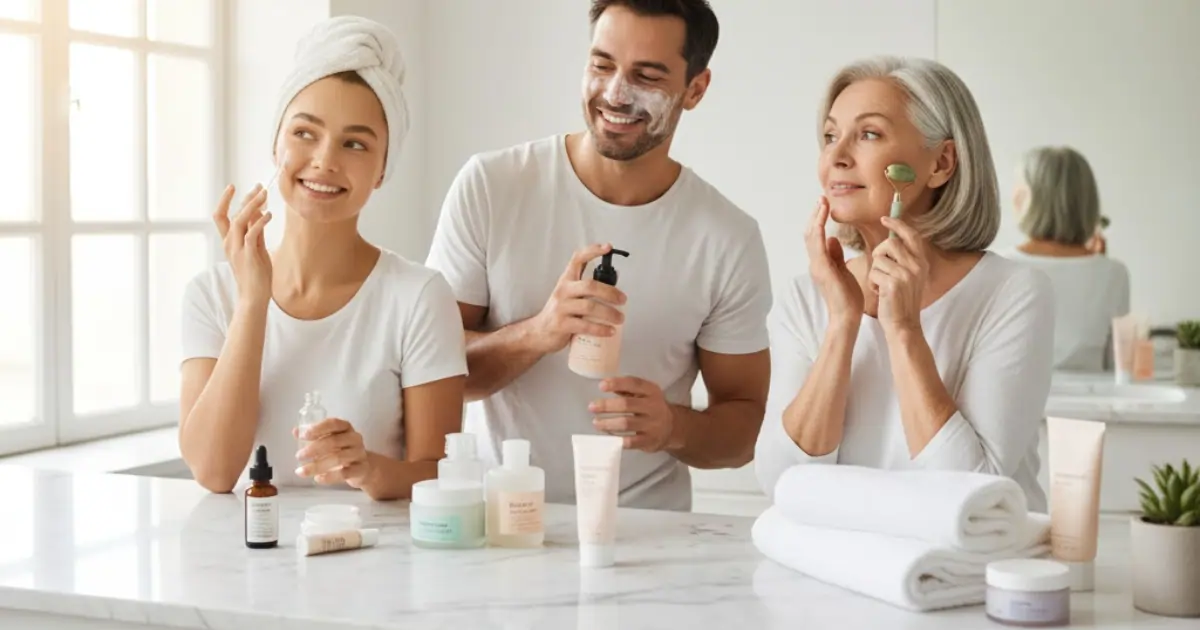
- Facial massage: improves circulation and reduces puffiness
- Professional facial cleansing: recommended every 2 or 3 months
Common myths about skin care
Your skin reflects how well you care for yourself
Skin care is about more than applying creams. It means cultivating daily rituals of attention and presence with yourself.
When you consciously cleanse, moisturize, and protect your skin, you are saying: I care about myself. I deserve care.
And that gesture—however small it may seem—is one of the greatest allies of your natural beauty and quality of life.
See also
Comments
Loading comments…