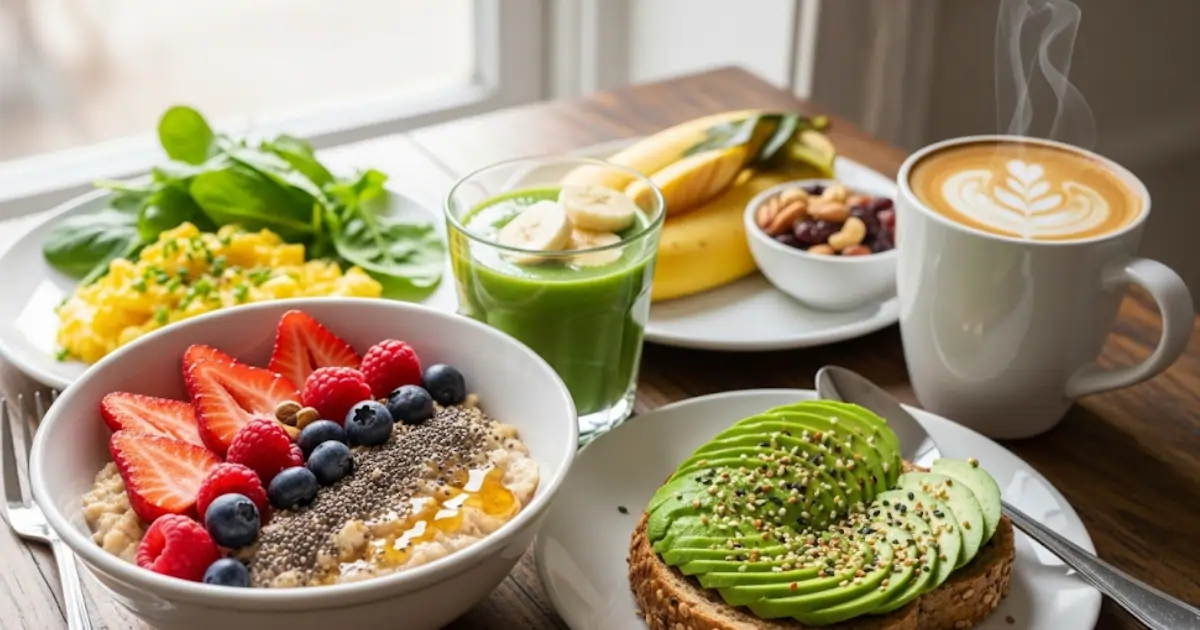
Healthy and Energizing Breakfast
A healthy breakfast is the most important meal of the day. It breaks the overnight fast, provides energy, and directly influences your physical and mental performance in the early hours of the day. Despite this, many people skip it or turn to less nutritious options such as white bread, sandwich cookies, or sugary drinks.
Why is a healthy breakfast essential?
Energy and Cognitive Performance
After hours of fasting, the body needs high-quality glucose to fuel the muscles and brain. According to a study published in the Journal of Nutrition, people who eat a balanced breakfast have better memory, attention, and productivity in the early hours of the day.
Weight Management and Metabolism
- A healthy breakfast helps reduce bouts of intense hunger
- It boosts metabolism and helps maintain a stable weight
- Prevents snacking on ultra-processed foods mid-morning
What makes a breakfast truly healthy?
A truly healthy breakfast is one that provides a balance of the major food groups, ensuring the energy and essential nutrients you need to start your day off right. The ideal morning meal should include a combination of complex carbohydrates, lean proteins, healthy fats, vitamins, and minerals. This helps you stay full longer, avoid blood sugar spikes, and provide steady fuel for your body and brain.
The type of carbohydrate you eat for breakfast is essential. Instead of white bread, pastries, or sugary cereals, it’s better to choose whole-grain options, such as oats, 100% whole-grain bread, or fresh fruit. These foods are higher in fiber, which aids digestion and promotes a slower release of energy, preventing early hunger.
Proteins play an important role in building and repairing tissues, in addition to helping you feel full. Good sources to include in breakfast are eggs, plain yogurt, low-fat cheeses, tofu, or even seeds like chia and flaxseed. Including protein in your first meal of the day can help prevent overeating at subsequent meals.
Fats should also be included, as long as they are healthy. Avocados, nuts, almonds, extra-virgin olive oil, and natural peanut butter are good options. They aid in the absorption of fat-soluble vitamins, provide energy, and help you feel full longer, making them great allies in maintaining a balanced metabolism.
Fruits are essential for a healthy breakfast because they are rich in fiber, antioxidants, vitamins, and minerals. Choosing seasonal fruits—preferably with the skin and pulp intact—maximizes their nutritional benefits. It’s important to choose whole fruits rather than juices to preserve their fiber and reduce the glycemic impact.
Avoiding ultra-processed foods is one of the keys to a healthy breakfast. Products such as filled cookies, processed sliced bread, processed meats, and processed breakfast cereals contain high levels of sugar, sodium, trans fats, and chemical additives, which are harmful to your health in the long term.
Hydration is also part of this first meal. After hours of fasting overnight, it’s essential to replenish fluids with water, herbal teas, or even water with lemon. Avoiding sugary drinks or sodas is a choice that protects your body and prevents excessive consumption of empty calories right at the start of the day.
A healthy breakfast isn’t just about food choices—it’s also about the habit of eating slowly and mindfully. Eating mindfully—chewing thoroughly and paying attention to your hunger and fullness cues—contributes to better digestion and helps you develop a more balanced relationship with food. A healthy breakfast should include:
- Source of complex carbohydrates. Examples: oats, whole-grain bread, tapioca, fruit
- It releases energy gradually
- Source of lean protein. Examples: eggs, plain yogurt, low-fat cheeses
- Keeps you full longer
- Source of healthy fats. Examples: nuts, seeds, natural peanut butter
- Helps with vitamin absorption and provides sustained energy
- Fiber and micronutrients (e.g., fresh fruit, chia, flaxseed)
- They aid digestion and strengthen the immune system
Practical combinations for different profiles
The importance of offering practical, healthy breakfast options tailored to different profiles lies in the recognition that each person has distinct routines, nutritional needs, and food preferences. An ideal breakfast for an athlete, for example, may not be suitable for someone with diabetes or who has limited time in the morning. Coming up with personalized and practical combinations not only encourages greater adherence to healthy eating habits but also directly contributes to health and energy levels throughout the day.
For people with busy mornings, convenience is key. Simple combinations like a fruit smoothie with oats and seeds, or whole-grain bread with peanut butter and a banana, provide important nutrients and are quick to prepare. Keeping basic ingredients on hand at all times makes these choices easier and helps prevent you from turning to ultra-processed foods when you’re short on time.
For those looking to lose weight healthily, it’s important to prioritize meals that are high in fiber and protein to ensure you feel full. A good combination might include scrambled eggs with vegetables and a slice of whole-grain bread, along with a piece of fruit. Another practical option is plain yogurt with chia seeds, sugar-free granola, and fresh strawberries. These choices help prevent insulin spikes and control appetite.
People with higher energy needs, such as athletes or individuals who engage in intense physical activity, need a more substantial breakfast. Combinations that include oats, honey, dried fruit, eggs, whole-grain bread, and even boiled sweet potatoes are excellent for providing a balanced source of energy. Supplements such as whey protein can also be included, as recommended by a nutritionist.
People with dietary restrictions—such as lactose intolerance, gluten allergy, or those following a vegan diet—also need practical alternatives for a healthy breakfast. Plant-based milks, gluten-free breads, scrambled tofu, fruits, and nuts are versatile and nutritious ingredients. A practical option for this group would be oatmeal with almond milk, banana, and cinnamon—it’s easy to make and very nutritious.
Children and adolescents who are still growing need balanced meals that are enjoyable to eat. Practical combinations can include bread with white cheese and fruit, banana pancakes with oats, or plain yogurt with honey and strawberries. The goal is to balance taste and nutritional value, encouraging the development of good habits from an early age.
For older adults, a healthy breakfast should take into account the digestibility of foods and the maintenance of muscle mass. Light meals, such as oatmeal with stewed fruit, hard-boiled eggs, or soft bread with cream cheese, can be good options. It’s also important to offer liquids, such as tea or warm milk, to ensure proper hydration right at the start of the day.
Tailoring a healthy breakfast to an individual’s profile is an effective strategy for promoting health, well-being, and consistency in this habit. Practical meal combinations should take into account each person’s dietary restrictions, preferences, and lifestyle, making this meal a time for true nutrition and daily enjoyment.
A Healthy Breakfast for People Who Are Short on Time
- Overnight oats with fruit and chia seeds
- Banana, Oat, and Plant-Based Milk Smoothie
- Whole-grain bread with quick-to-prepare scrambled eggs
A Healthy Breakfast for Morning Workouts
- Vegetable omelet + whole-wheat bread + fresh juice
- Plain yogurt with granola and fruit
- Oatmeal Pancakes with Peanut Butter
Healthy Breakfast for Families
- Chopped fruit in individual containers
- Whole-wheat bread, low-fat cheeses, and hard-boiled eggs
- Banana pancakes or crepioca with healthy fillings
Strategies for Maintaining Variety and Convenience
Advance Planning
- Store washed and chopped fruit in containers in the refrigerator
- Divide nuts into small individual containers
- Cook eggs all at once to eat throughout the week
Rotating menu
- Have 3 to 5 set options to choose from
- Vary the fruits, breads, or types of granola to avoid getting bored
Night-before preparation (meal prep)
- Overnight oats or chia pudding
- Pre-portioned frozen whole-grain breads
- Ready-to-blend smoothie ingredients portioned into bags for the morning
Case study: Helena, 29, with a corporate job
Initial scenario
- She skipped breakfast 3 times a week
- She felt extremely hungry before lunch
- She relied on packaged snacks mid-morning
Changes made
- She added overnight oats and hard-boiled eggs to streamline her routine
- She started bringing fruit and a mix of nuts to work
- She planned 5 breakfast variations for the week
Results in 30 days
- More energy and focus at work
- A 60% reduction in the consumption of ultra-processed foods
- Lost 1.8 kg without drastic dietary changes
A Practical Checklist for Putting Together Healthy Breakfasts
- Include a source of lean protein
- Ensure an intake of complex carbohydrates and fiber
- Add healthy fats in small amounts
- Include fruit or vegetables on your plate
- Prepare or set up part of breakfast the night before
- Vary your choices to avoid getting bored
- Avoid sugars and processed foods first thing in the morning
A healthy breakfast can transform your day: it boosts your energy, focus, and satiety, and is a crucial step toward maintaining balanced eating habits. With a little planning and smart choices, you can enjoy quick, nutritious, and tasty meals without wasting time—even on the busiest mornings.
See also
Comments
Loading comments…