
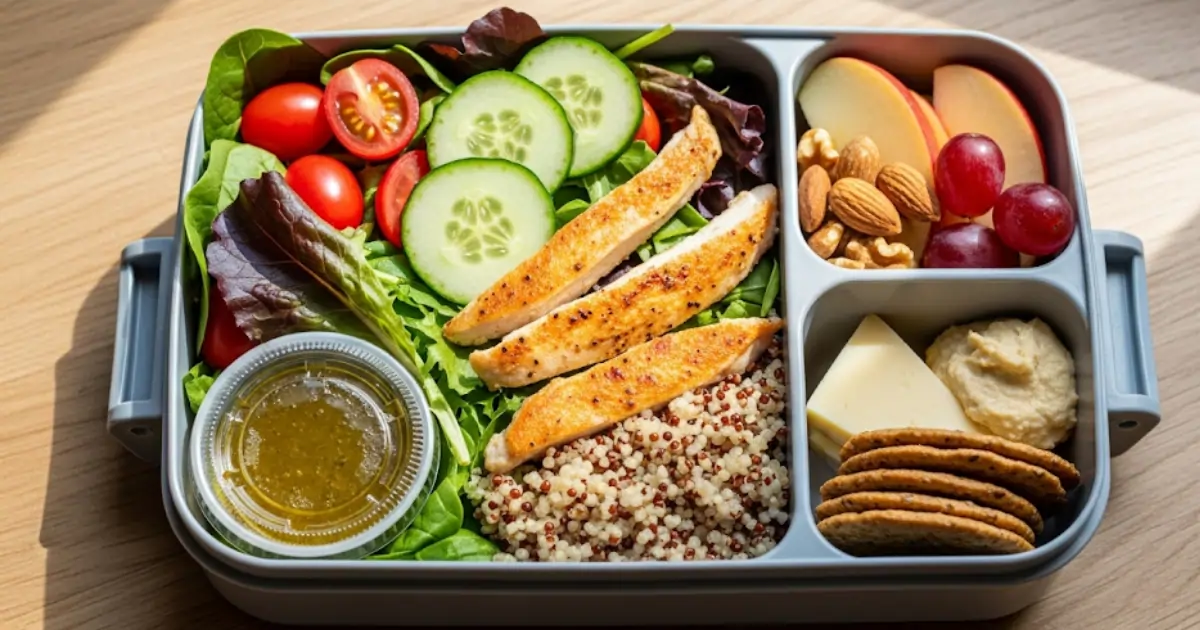
Healthy and Convenient Lunches for Everyday Life
A healthy lunch is one of the most important meals of the day. It recharges your energy, provides essential nutrients, and directly influences your productivity and well-being in the afternoon. When they’re in a rush, many people opt for fast food or skip lunch altogether, which can harm their health and energy levels. The good news is that putting together healthy, quick lunches is possible with a little organization and strategic choices.
What makes for a healthy lunch?
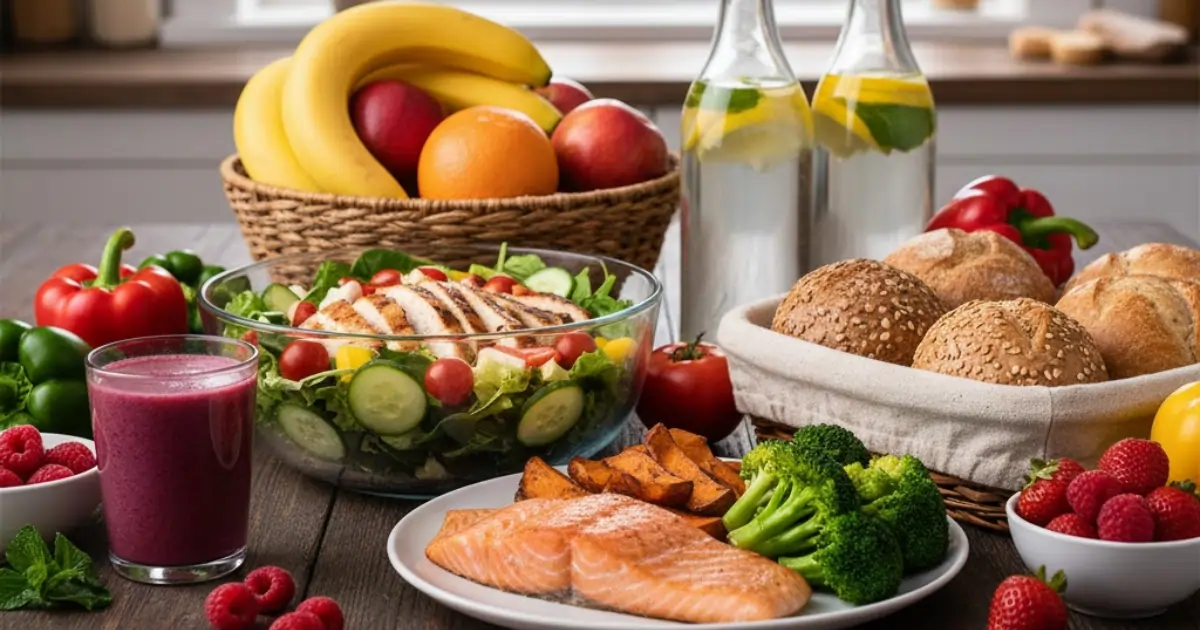
A healthy lunch should provide a balanced mix of macronutrients and micronutrients, promoting energy and satiety.
Key components of a healthy lunch:
- Lean proteins: Chicken, fish, eggs, chickpeas, lentils
- Complex carbohydrates: Brown rice, sweet potatoes, quinoa, whole-wheat pasta
- Fiber and vitamins: colorful vegetables and leafy greens
- Healthy fats: olive oil, seeds, nuts
- Hydration: Water, fresh juices, or unsweetened teas
Strategies for quickly putting together balanced meals for a healthy lunch
Putting together balanced meals quickly can be a challenge in our busy daily lives, but with a few practical strategies, it’s entirely possible to maintain a healthy diet without wasting time. The secret lies in organization and a basic understanding of the food groups. A balanced meal should include sources of protein, carbohydrates, vegetables, and healthy fats—all in the right proportions to ensure satiety, energy, and essential nutrients for the body.
One of the most effective strategies is to arrange your plate using the “healthy plate” method, which visually divides the plate into three parts: half with vegetables, one-quarter with protein, and one-quarter with carbohydrates. This simple division serves as a quick guide and helps prevent overeating, especially of carbohydrates, which tend to be higher in calories. Using shallow or small plates also helps with portion control.
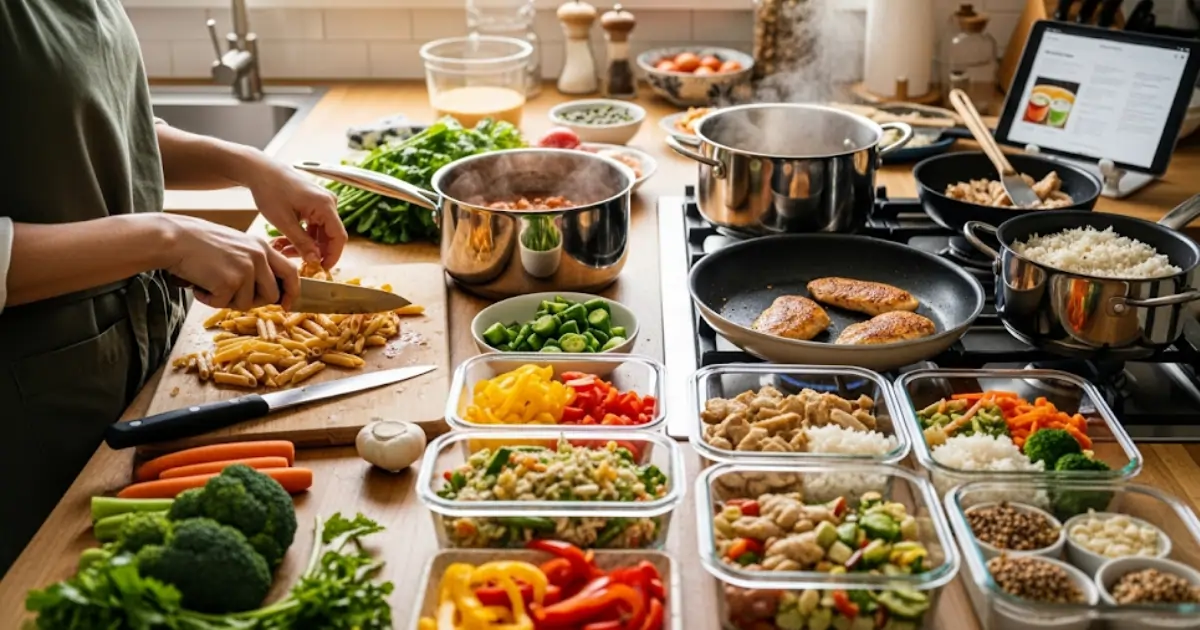
Preparing healthy lunch ingredients in advance is another great help. Setting aside one day a week to wash, chop, and store vegetables and leafy greens in airtight containers makes it much easier to put together meals. Cooking and freezing grains—such as brown rice, beans, or lentils—in portions also speeds up the process. Having pre-grilled or roasted protein sources in the fridge or freezer makes preparing a complete meal even faster.
Packing lunchboxes with a variety of combinations for the week can also be a practical solution for a healthy lunch. Having meals ready or partially prepared means you just need to reheat them or add fresh seasonings right before eating. Another idea is to keep a list of quick and easy recipes using ingredients you always have on hand, which cuts down on decision-making time and helps prevent food waste.
Using versatile foods is another key aspect of a healthy lunch. Ingredients such as eggs, shredded chicken, tofu, tuna, grilled vegetables, and leafy greens can be used in a variety of ways: in salads, wraps, bowls, omelets, or stir-fries. Having these items on hand allows you to create balanced meals in just a few minutes, without sacrificing flavor or nutritional value.
Another effective tip is to stock up on healthy sauces and ready-to-use natural seasonings, such as dried herbs, freshly squeezed lemon juice, or homemade vinaigrette. These ingredients quickly add flavor to dishes and help prevent a healthy lunch from becoming monotonous, encouraging you to eat more vegetables, for example. Keeping a stock of ready-made seasonings on hand also speeds up preparation time.
Always having fruits, nuts, and plain yogurt on hand as dessert options or side dishes helps make your meal more well-rounded. These foods help you stay full and also provide important nutrients, such as fiber, vitamins, and healthy fats. They’re quick and convenient options that don’t require any complicated preparation.
Consistent practice and repetition make the process of preparing a healthy lunch increasingly automatic. Over time, you’ll learn to put together balanced meals quickly, making the most of the ingredients you have on hand. Small habits, such as planning the weekly menu, keeping a well-organized pantry, and keeping healthy foods within easy reach, make all the difference in turning balanced eating into a practical and sustainable routine.
Use the "Healthy Plate" method
- ½ of the plate: vegetables and salads
- ¼ of the plate: lean proteins
- ¼ of the plate: complex carbohydrates
Cook in batches
- Prepare proteins, carbohydrates, and vegetables in batches at the beginning of the week
- Store in clear, labeled containers for ease of use
Natural and Convenient Seasonings
- Garlic, onions, dried herbs, and spices
- Avoid processed seasonings that are high in sodium
Practical Combinations for Healthy Lunches
Quick Classic
- Grilled chicken + brown rice + roasted pumpkin + arugula salad
Energizing Low-Carb Option
- Omelet with spinach and tomatoes + sliced avocado + mixed greens
Nutritious Vegan
- Quinoa + roasted chickpeas + steamed vegetables + tahini sauce
Hearty Salad
- Mixed greens + shredded chicken + chickpeas + diced mango + seeds
Convenient Meal Prep
- Grilled tilapia + mashed sweet potatoes + steamed broccoli
Tips for Saving Time in the Kitchen
Saving time in the kitchen is a common goal for anyone who wants to maintain a healthy diet without disrupting their busy routine. One of the most effective ways to do this is through weekly meal planning. Deciding in advance what to eat over the next few days prevents indecision when it’s time to cook, allows you to optimize your shopping list, and ensures that you already have the right ingredients at home for a healthy lunch. Once you’ve made your plan, all you have to do is carry it out more efficiently.
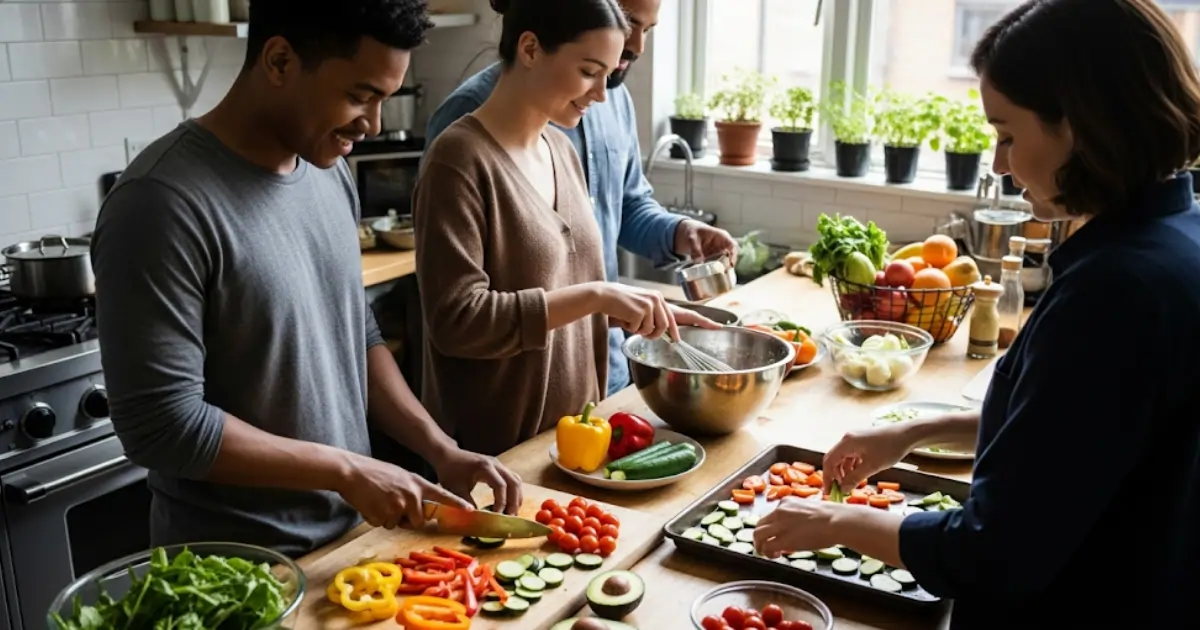
Another very useful technique is mise en place, a French term that means “to put in order.” It involves sorting and preparing all the ingredients before you start cooking: washing, chopping, measuring, and having everything ready in containers or bowls. This prevents interruptions during preparation, reduces stress, and makes the process faster and more efficient.
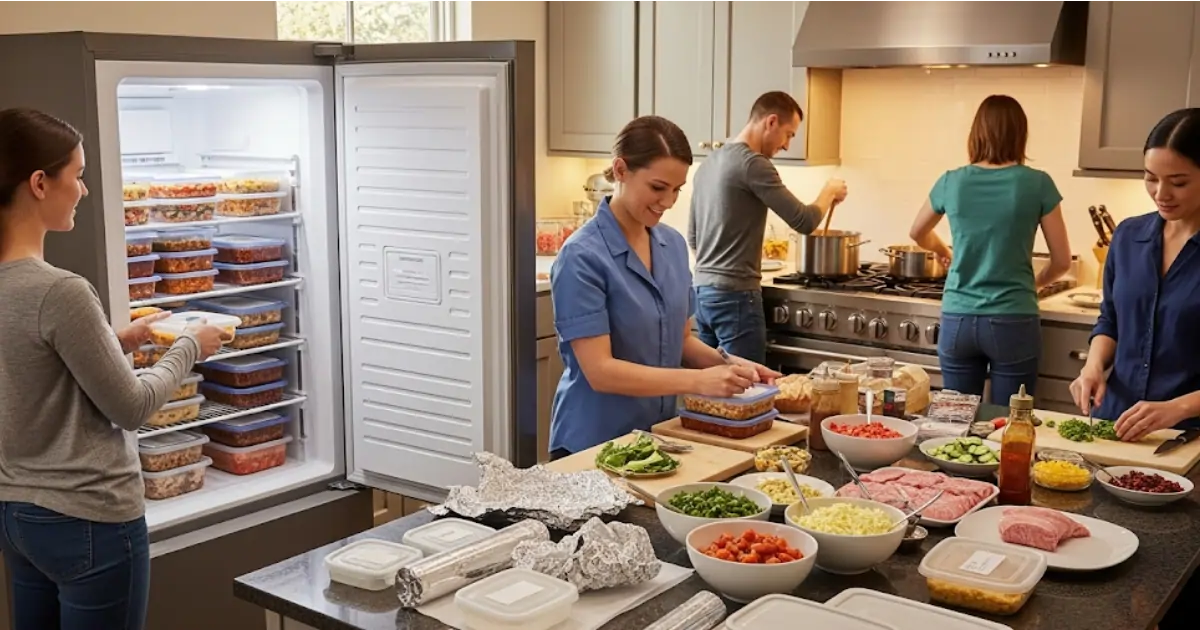
Cooking healthy lunches in larger quantities is also an excellent strategy. Preparing extra portions of grains, sauces, meats, or roasted vegetables allows you to freeze or store them for other meals throughout the week. That way, all you have to do is reheat them and add fresh ingredients, saving you a lot of time on busy days.
Using appliances that speed up food preparation is also a practical way to save time. Electric pressure cookers, food processors, air fryers, and powerful blenders are great allies. They reduce the time it takes to cook or prepare batters, creams, juices, and even chopped vegetables.
Preparing meals in advance on a single day of the week—a technique known as batch cooking—is ideal for those who are short on time in their daily lives. Setting aside a few hours to cook rice, beans, proteins, and vegetables and prepare salad bases allows you to quickly put together complete meals throughout the week. Just store them properly in lidded containers and organize them in the refrigerator or freezer.
Kitchen organization is also essential. Having the right utensils within reach, the right pots and pans, and a well-organized pantry prevents you from wasting time looking for items or having to improvise. A good storage system, with labels and categories, makes it easier to access and see your ingredients and spices.
Using leftovers from previous meals creatively is also a valuable technique. A roast chicken can be turned into sandwich filling, a salad, or a pie the next day. Cooked rice can be repurposed into a stir-fry with vegetables. This reduces preparation time and also prevents food waste.
Creating a cooking routine that fits your lifestyle is essential. Identifying the most productive times to cook, setting aside specific days for grocery shopping, and using smart shopping lists make the process run more smoothly. Cooking stops being a chore and becomes a lighter, more enjoyable part of the day—more convenient and less rushed.
Smart Meal Prep
- Wash and cut vegetables for 3 to 4 days
- Cook grains and freeze them in portions
Time-Saving Tools
- Air fryer: cooks meat and vegetables in minutes
- Electric pressure cooker: cooks beans, lentils, and meat quickly
- Food processor: speeds up slicing and grating
Weekly Planning Routine
- Set aside 1 to 2 hours on the weekend for prep work
- Pack lunches or ready-made kits to streamline daily meal assembly
Case study: João, 38, corporate routine
Initial scenario
- He relied on food delivery for lunch 4 times a week
- He felt tired in the afternoon and gained 5 kg in 6 months
Changes Applied
- He adopted the "healthy plate" method
- He prepped proteins and vegetables on Sunday
- He packed lunches for 3 days and added fresh salads
Results in 8 weeks
- R$ 550/month saved on food delivery
- Loss of 3 kg with more energy
- More energy to work out after work
A Practical Checklist for Healthy Lunches
- Put together a meal with protein, carbohydrates, and vegetables
- Make sure 50% of your plate consists of vegetables
- Prepare ingredients in batches at the beginning of the week
- Avoid fried foods and store-bought sauces
- Store portions in containers and label them
- Include a variety of colors and flavors to avoid monotony
Eating a healthy and convenient lunch doesn't require hours in the kitchen, but it does require planning and strategy. With the right approach, you can ensure you have energy, feel full, and maintain your well-being—all while saving time and money.
See Also
Comments
Loading comments…
See also
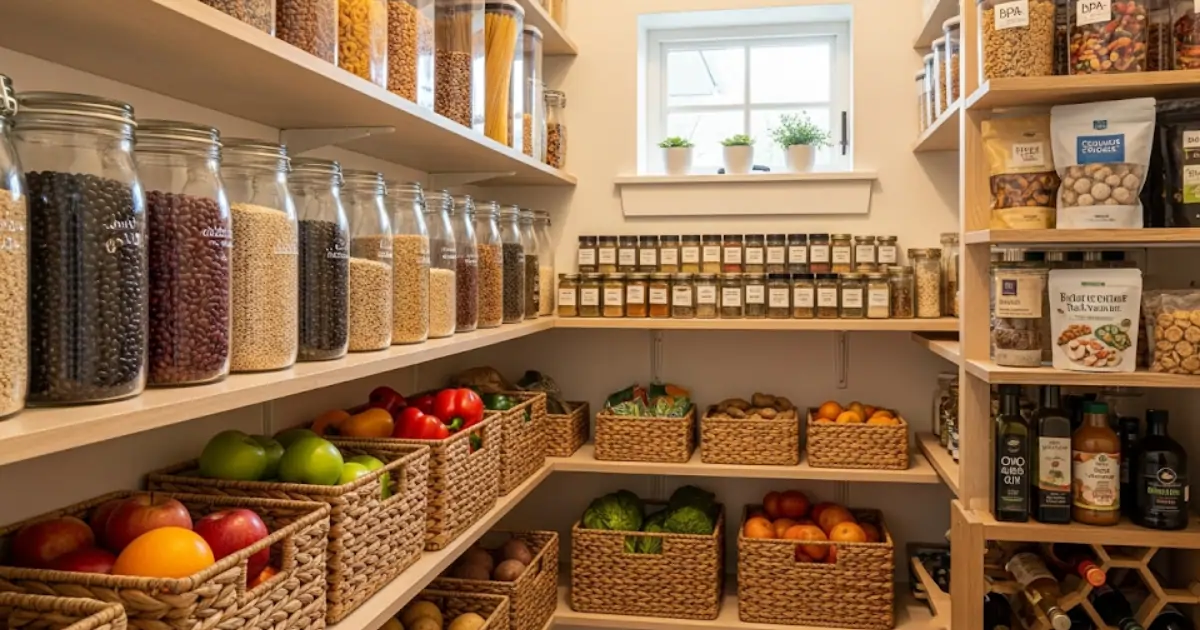 Organizing Your Pantry for Healthy Eating | Vida Ideal Blog Shop
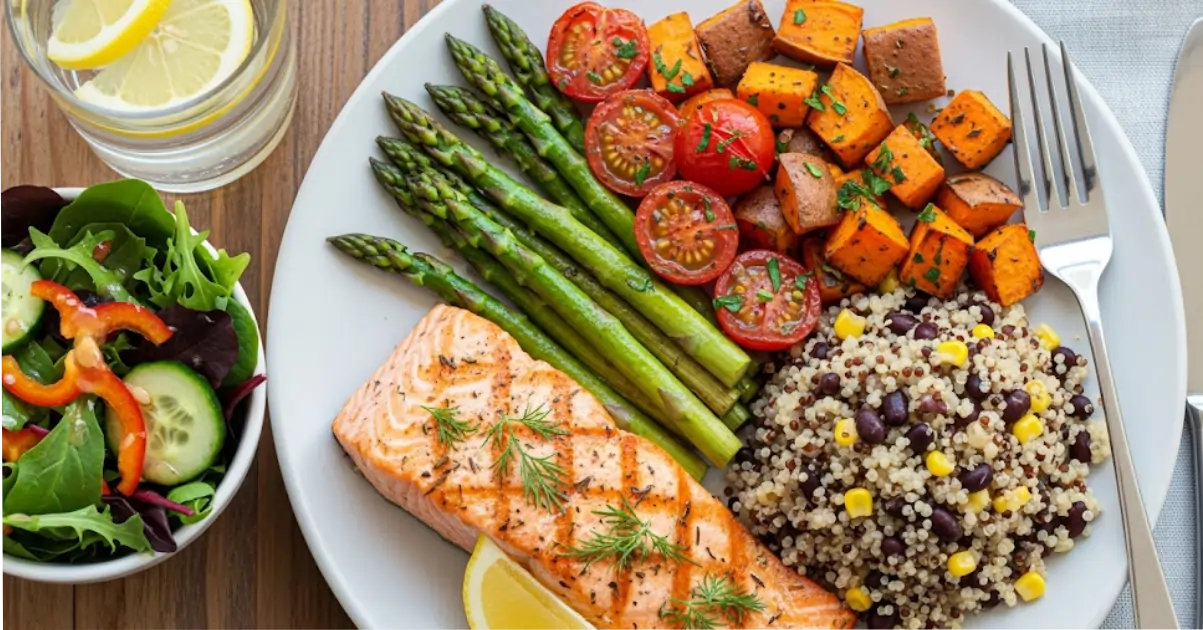 Healthy and Nutritious Dinner | Vida Ideal Blog Shop
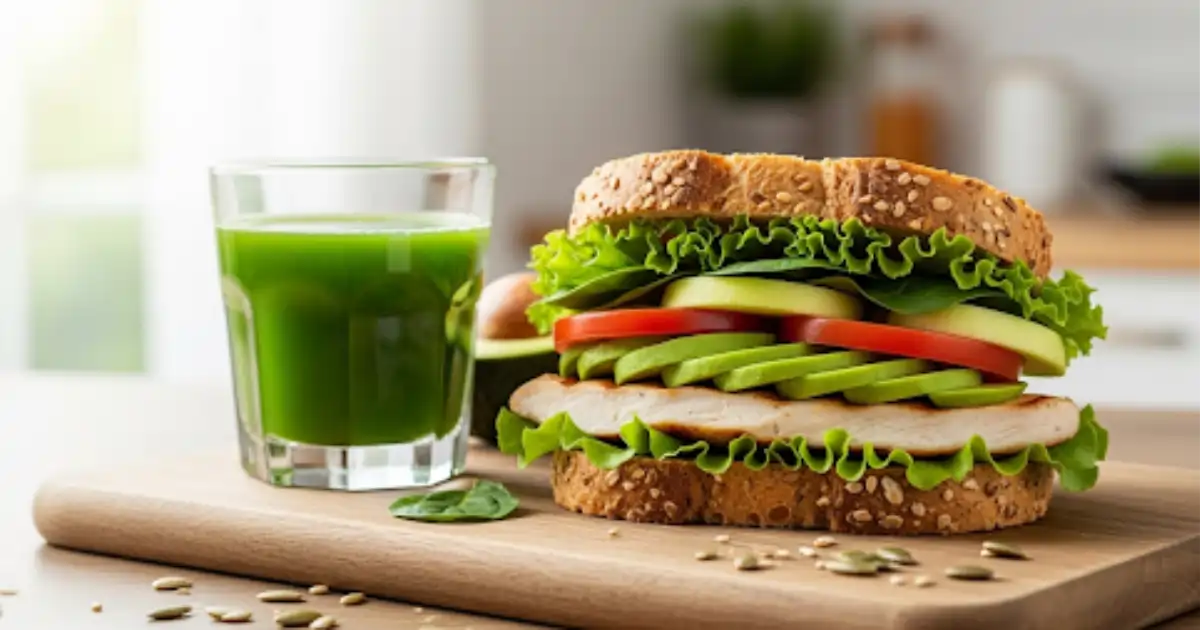 Healthy Snacks | Vida Ideal Blog Shop
 Batch Cooking: How to Prepare All Your Meals for the Week in Just a Few Hours | Vida Ideal Blog Shop
 Healthy Frozen Meals | Vida Ideal Blog Shop
 Healthy and Easy-to-Make Recipes | Vida Ideal Blog Shop
 Balanced Diet | Vida Ideal Blog Shop