
Batch Cooking: How to Prepare All Your Meals for the Week in Just a Few Hours
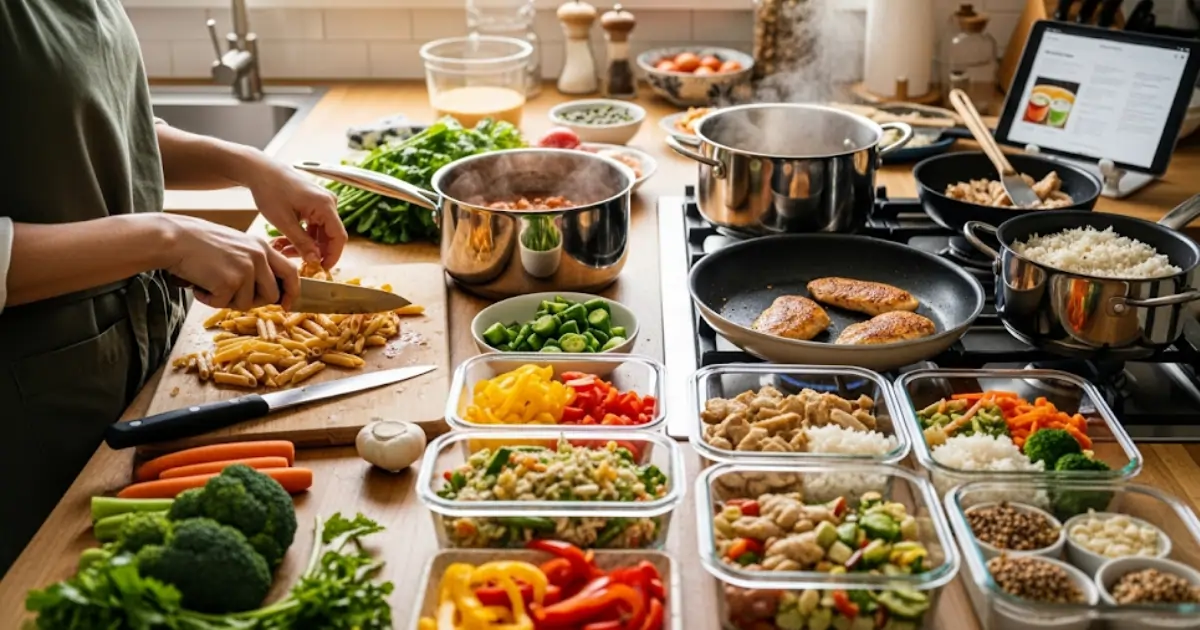
Have you ever thought about preparing all your meals for the week in just a few hours? With batch cooking, that’s possible. This technique involves cooking in batches in an organized way so that you have ready-to-eat or semi-prepared meals throughout the week. The benefits include:
- Saving time in the kitchen
- Reducing food waste
- Healthier, better-planned meals
- Financial savings by avoiding delivery and last-minute meals
According to a study by the Harvard T.H. Chan School of Public Health, people who cook at home have more nutritious diets and consume 24% fewer ultra-processed foods.
What is batch cooking?
Batch cooking is the practice of cooking large quantities of food strategically so that you can prepare meals throughout the week without having to cook from scratch.
Basic Concept
- Food preparation during specific time slots
- Portioning into appropriate containers
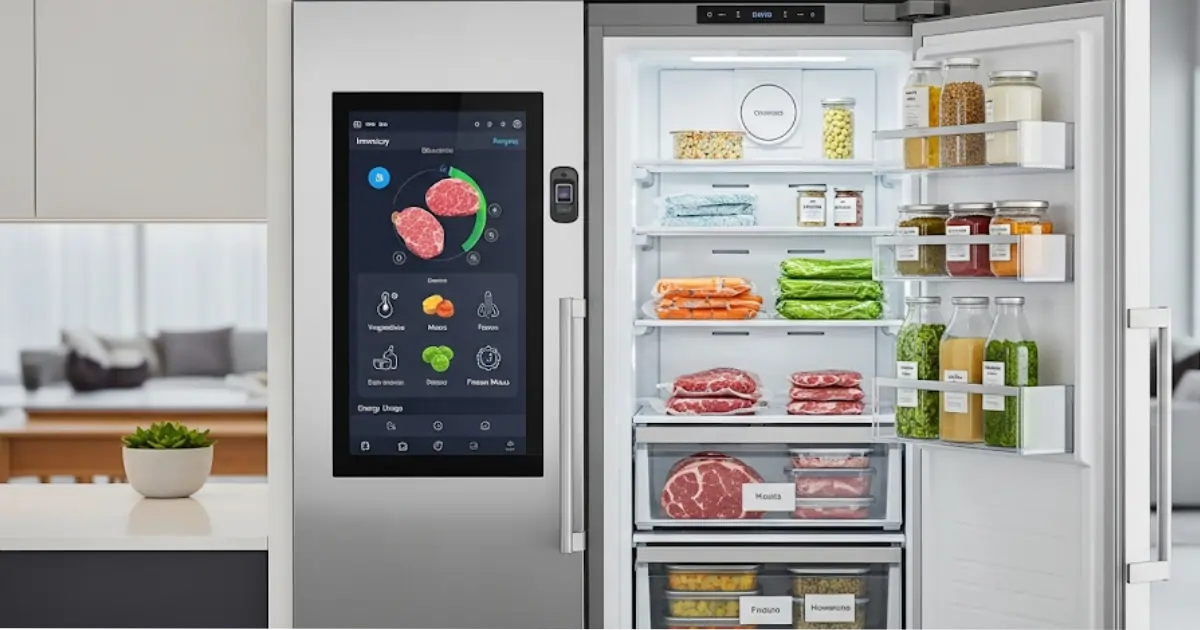
- Refrigerated or frozen storage
- Quick meal assembly throughout the week
The difference between batch cooking and traditional meal prep
Batch cooking and traditional meal prep are practical methods for organizing meals, but they differ significantly in their approach, planning, and flexibility. Batch cooking refers to a more strategic process, in which a variety of staple foods (such as grains, proteins, and vegetables) are cooked separately and in large quantities, usually once a week. Traditional meal prep, on the other hand, involves preparing complete, ready-to-eat meals in advance, usually portioned out for each day.
With batch cooking, the focus is on versatility. Prepared foods can be combined in various ways throughout the week, allowing for greater freedom in choosing meals. For example, the same shredded chicken can be used in a salad, a wrap, or a dish with rice and vegetables. With traditional meal prep, however, this flexibility is more limited because the combinations are already assembled and often follow a set menu.
Another important difference is when the meal is assembled. Traditional meal-prep meals are designed to be eaten just as they were prepared, with all the ingredients already combined. With batch cooking, however, the dish is usually assembled right before eating, which requires a little more time and daily planning but helps prevent meal monotony.
In terms of preparation time, both methods require some advance planning, but batch cooking demands more organization when selecting ingredients and planning possible combinations. On the other hand, traditional meal prep allows for more convenience during the week, since everything is ready to be heated up and eaten. It’s a trade-off between flexibility and convenience.
Storage is also different. With batch cooking, food is stored separately, often in individual containers by type (one for rice, another for beans, another for vegetables, and so on). In traditional meal prep, each container holds a complete, ready-to-eat meal. This directly affects the space required in the refrigerator or freezer and the number of containers used.
Food shelf life can also vary. Since batch-cooking ingredients are stored separately, it is easier to identify and use first what is about to expire. In traditional meal prep, because ingredients are already combined, shelf life depends on the mix of ingredients and how they are stored.
Batch cooking also adapts more easily to changes in routine. If an unexpected commitment comes up or you feel like eating something different, the ingredients can be used at another time. With traditional meal prep, any change may result in waste, especially when the meal is already portioned and frozen.
The choice between batch cooking and traditional meal prep depends on each person's lifestyle and preferences. Those seeking variety, flexibility, and control over ingredients may prefer batch cooking. Those who prioritize speed in daily life and do not mind repeating meals may find traditional meal prep an efficient and practical solution.
Benefits of Batch Cooking
Batch cooking offers a number of benefits for those looking for more organization and convenience in their daily meals. One of the main advantages is saving time: by dedicating a few hours on a single day of the week to cooking, you can save valuable time during the workweek, avoiding the need to prepare full meals from scratch for every meal.
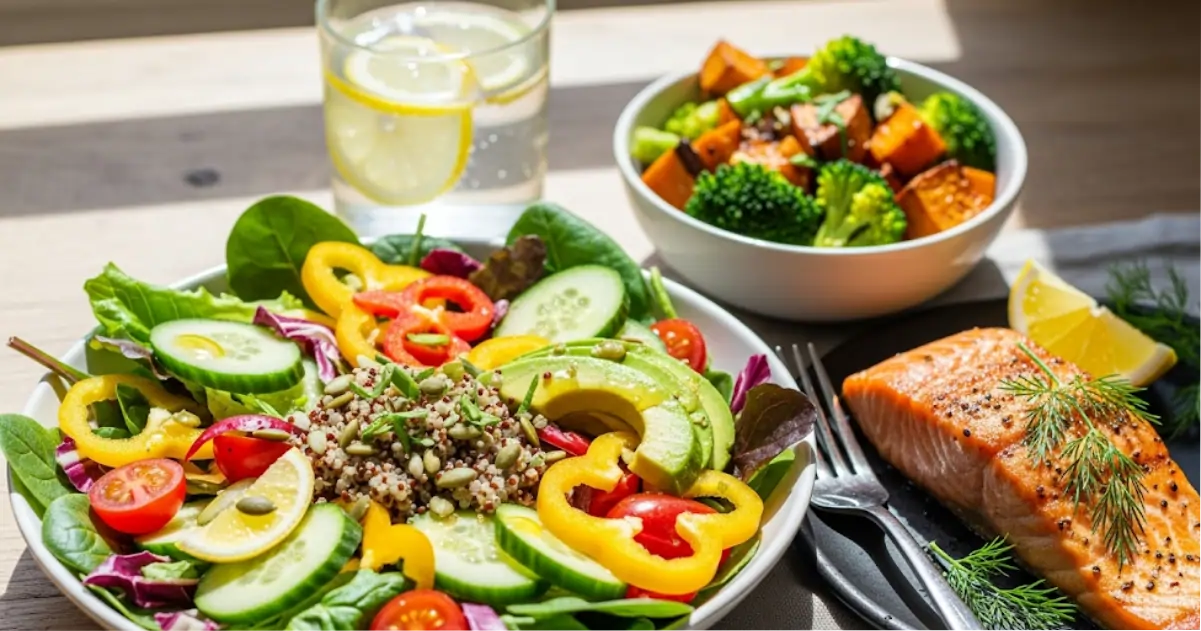
In addition to saving time, batch cooking contributes to a healthier diet. Since meals are planned in advance, you have greater control over the ingredients used, avoiding excessive consumption of processed foods or impulse meals. This encourages more mindful and balanced choices, ensuring the inclusion of vegetables, grains, and proteins.
Another important benefit is financial savings. By planning meals based on a weekly menu, you can shop more strategically, take advantage of sales, buy in bulk, and reduce food waste. The result is a more efficient pantry and lower spending on food delivery or ready-made meals.
Batch cooking also allows for more variety in your meals, even when using just a few ingredients. Since the foods are prepared separately (such as portions of rice, beans, vegetables, and meat), you can combine them in different ways throughout the week. This flexibility prevents meal monotony without the need to prepare new dishes every day.
From an emotional standpoint, this method can reduce the stress associated with daily decisions about what to eat. Knowing that the ingredients are ready and available provides greater peace of mind and reduces mental strain, especially during hectic routines. It also helps with sticking to specific diets or nutritional goals, since everything is already organized in advance.
Batch cooking also encourages people to eat home-cooked meals, which tend to be more nutritious and safer than ready-made options. Cooking at home gives you more control over salt, fat, sugar, and chemical additives, and allows you to adapt recipes to accommodate food intolerances or personal preferences.
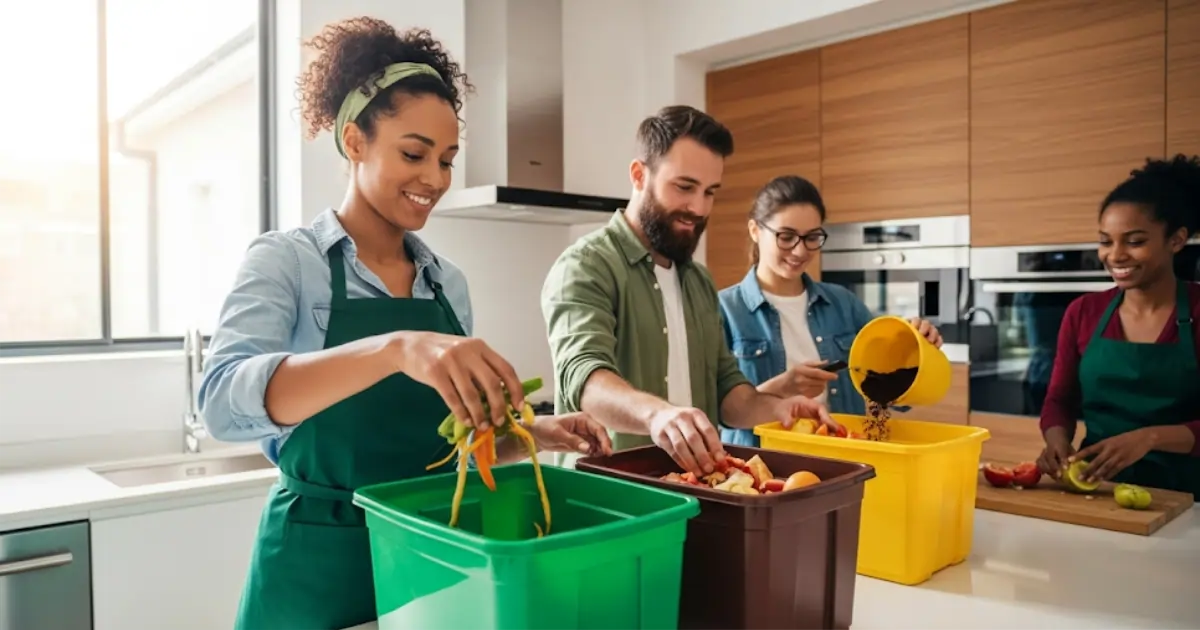
Another interesting benefit is the reduction in food waste. By planning your menu and cooking portions tailored to your meals for the week, you’re less likely to have food go bad in the refrigerator. In addition, leftovers can be creatively repurposed into new dishes.
Batch cooking helps develop important skills, such as organization, planning, and creativity in the kitchen. Over time, the process becomes faster and more efficient, making it a true ally for anyone who wants to eat well, save money, and maintain a simpler, more functional routine.
Time savings
By spending 2 to 3 hours in the kitchen, you can ensure you have meals for 5 to 7 days, eliminating the need to cook every day.
Healthier Eating
- Reduces impulsive decisions when you're hungry
- Avoid fast food and food delivery orders
- Helps control salt, sugar, and fat intake
Financial savings
- Planned purchases in larger quantities are cheaper
- Reduces waste of perishable food
Stress reduction
Not having to think about what to cook every day frees up mental energy and time for other tasks.
A Step-by-Step Guide to Batch Cooking
Step 1: Menu Planning
- Choose 3 to 5 types of protein, 2 to 3 whole-grain carbohydrate sources, and a variety of vegetables and leafy greens
- Consider quick snacks and light meals
Step 2: Strategic Shopping List
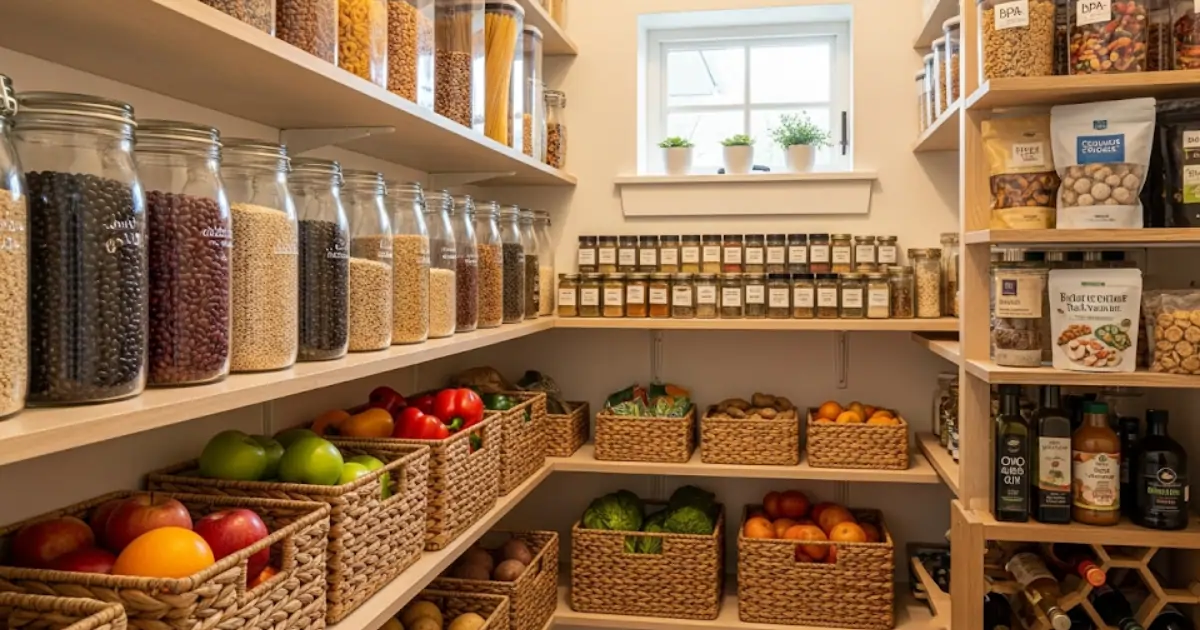
- Take inventory of what you already have at home
- Organize the list by category: fruits and vegetables, proteins, grains, dairy products
- Choose seasonal foods for greater savings and better flavor
Step 3: Prep and Cooking
- Wash all vegetables and leafy greens at once
- Bake or cook protein in batches
- Cook grains (brown rice, quinoa, beans)
- Prepare bases for sauces and natural seasonings
- Divide the portions into appropriate containers
Step 4: Proper Storage
- Refrigerator (0 to 5°C): up to 3 days
- Freezer (-18°C): up to 90 days for cooked meals
- Use clear, airtight containers to make it easier to see the contents
- Always label each container with the name and date
How to keep meals varied without getting bored
- Vary your spices and herbs
- Combine basic ingredients in different combinations (chicken + rice + broccoli / chicken + potatoes + carrots)
- Include convenient snacks: hard-boiled eggs, cut-up fruit, overnight oats
Case Study: Felipe, 34, a remote worker
Initial scenario
- Cooking every day took 1 hour and 30 minutes per day
- He relied on delivery on busy workdays
Changes Applied
- He set aside Sunday afternoon for batch cooking
- Cooked proteins, grains, and vegetables in batches
- He stored the food in labeled containers for 5 days
Results in 4 weeks
- Saved 7 hours per week in the kitchen
- Reduced delivery spending by R$ 450,00 per month
- Increased consumption of vegetables and fiber
- Lost 2 kg without a restrictive diet
A Practical Checklist for Batch Cooking
- Plan the menu and make a shopping list
- Sanitize and cut food in batches
- Cook proteins, grains, and vegetables
- Divide into appropriate containers and label them
- Store foods according to their shelf life
- Assemble varied meals throughout the week
- Review inventory and plan weekly adjustments
Batch cooking is a strategy for productivity and health. It reduces daily stress, makes it easier to stick to a healthy diet, and saves time and money. With organization and practice, you can turn your kitchen into a wellness production line, ensuring nutritious meals every day.
See Also
Comments
Loading comments…
See also
 A Functional Kitchen for Healthier Eating Habits | Vida Ideal Blog Shop
 Healthy and Easy-to-Make Recipes | Vida Ideal Blog Shop
 Healthy and Convenient Lunches for Everyday Life | Vida Ideal Blog Shop
 Smart Freezer for Food Storage | Vida Ideal Blog Shop
 Healthy Eating: How to Transform Your Routine with Simple and Effective Practices | Vida Ideal Blog Shop
 Organizing Your Pantry for Healthy Eating | Vida Ideal Blog Shop
 Avoiding Food Waste at Home | Vida Ideal Blog Shop