How to Control Shine, Prevent Acne, and Keep Oily Skin Healthy and Balanced
Oily skin is a skin type characterized by excessive sebum production, intense shine (especially in the T-zone: forehead, nose, and chin), enlarged pores, and a greater tendency toward acne. If this sounds like you, know this: you’re not alone—it’s the most common skin type in Brazil, especially in hot and humid regions.
But having oily skin isn't a problem as long as you understand and respect its needs. With the right care, you can control shine, prevent inflammation, and achieve healthy, balanced skin that looks younger for longer.
In this article, you'll learn about the essential care tips for oily skin, the best ingredients, what to avoid, and how to put together an effective skincare routine.
Why does skin become oily?
Oily skin is characterized by excessive sebum production by the sebaceous glands, which gives it a noticeable shine, especially in the T-zone of the face (forehead, nose, and chin). This skin type usually has a moister and thicker appearance, often accompanied by enlarged, visible pores.
One of the main consequences of excess oil is an increased tendency to develop blackheads and pimples. This happens because the buildup of sebum, dead skin cells, and impurities can clog pores, creating an environment conducive to bacterial growth, which leads to acne.
In addition, oily skin can be influenced by various factors, such as genetics, hormonal changes, hot and humid weather, stress, and even the use of unsuitable cosmetics. These factors can increase sebum production and worsen the typical symptoms of this skin type.
Despite the challenges, oily skin tends to age more slowly, as excess oil helps maintain natural moisture and protects against the early appearance of wrinkles. With proper care—such as daily cleansing, the use of specific products, and light moisturizing—it’s possible to control oiliness and keep your skin healthy. Oiliness occurs when the sebaceous glands produce excess sebum. This can be caused by:
“Oil isn’t the villain—skin imbalance is what causes problems.” — Dr. Aline Moura, dermatologist specializing in acne-prone skin
Characteristics of Oily Skin
- Excessive shine, especially in the T-zone
- Visibly enlarged pores
- Prone to blackheads and pimples
- Uneven texture
- Difficulty keeping makeup or other products on the skin
Essential Steps in a Skincare Routine for Oily Skin
A. Balanced cleansing
- Use cleansing gels or foams with sebum-regulating properties
- Avoid harsh soaps that strip away all the natural oils (this causes a rebound effect)
- Wash your face 2 times a day (morning and night)
B. Facial toner (optional, but useful)
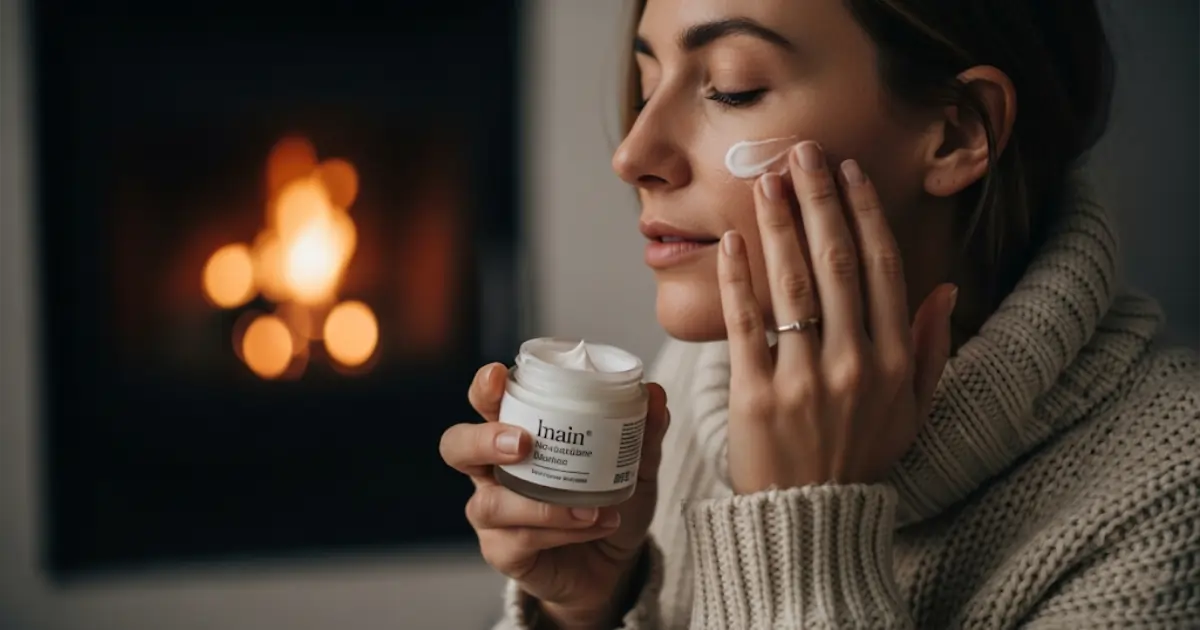
C. Moisturizing — yes, even if you have oily skin!
- Use oil-free or gel moisturizers
- Ideal active ingredients: hyaluronic acid, niacinamide, panthenol
D. Targeted sunscreen
- Choose oil-control, dry-touch, or tinted sunscreens (matte finish)
- Reapply every 3 hours, especially if you're outdoors
Ideal active ingredients for oily skin
What to Avoid When Caring for Oily Skin
Complementary care
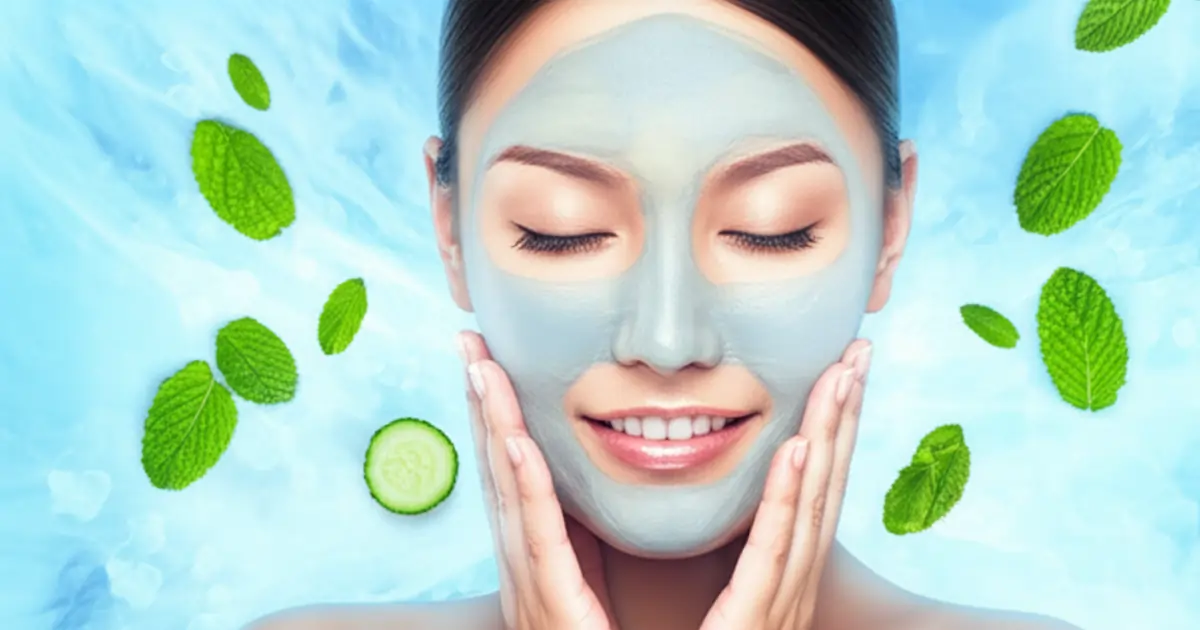
Clay masks (1 time per week)
- Green or white clay is ideal for oily skin
- Leave on for 10–15 minutes, then rinse with cold water
Gentle exfoliation (1 time per week)
- Removes dead skin cells and improves product absorption
- Use gentle exfoliants with fine granules
Smart Nutrition
Diet plays an important role in skin health, including for those with oily skin. Certain foods can help control sebum production and reduce inflammation, improving the skin’s overall appearance. Fruits rich in antioxidants, such as strawberries, acerola, oranges, and kiwis, promote cell renewal and protect against damage caused by free radicals. Dark green vegetables, such as spinach and kale, are also beneficial because they contain vitamins A, C, and E, which are essential for maintaining healthy skin.
On the other hand, foods high in sugar and refined carbohydrates—such as white bread, sweets, and soda—can make oily skin worse. These foods rapidly raise blood insulin levels, which can stimulate the sebaceous glands to produce more sebum, increasing the likelihood of clogged pores and the development of acne.
High-fat animal products, such as processed meats, fried foods, and full-fat cheeses, can also have a negative effect on oily skin. Excess saturated fat can promote inflammation in the body, contributing to the worsening of acne and oiliness.
To keep your skin balanced, it’s important to prioritize a diet rich in fiber, vitamins, minerals, and water. Drinking plenty of fluids throughout the day helps detoxify the body and regulate sebum production. A balanced diet, combined with proper skincare, is essential for managing oily skin and maintaining its long-term health and beauty.
- Cut back on milk and dairy products, fried foods, and refined sugars
- Increase your intake of anti-inflammatory foods: salmon, avocado, turmeric, and leafy greens
Case study: Carlos, 29 years old, systems analyst
Challenge: He suffered from adult acne and intense shine, and he couldn't keep his skin balanced even with expensive products.
Intervention:
- He switched from soap to a gel containing salicylic acid
- He started using a moisturizer with niacinamide and a dry-touch SPF 60 sunscreen
- He added a green clay mask every 10 days
- He adjusted his diet and started drinking more water
Results in 6 weeks:
- Significant reduction in acne
- Drier skin during the day
- Less enlarged pores
- Greater confidence and well-being about his appearance
Oily skin needs care, not harsh treatment
Having oily skin isn't a flaw—it's just a characteristic. When properly cared for, it has advantages: it ages more slowly, develops fewer early wrinkles, and retains its natural glow for longer.
The key is consistent, informed, and balanced care.
You don't need to hide your skin—you just need to learn to treat it with the respect it deserves.
See also
Comments
Loading comments…