
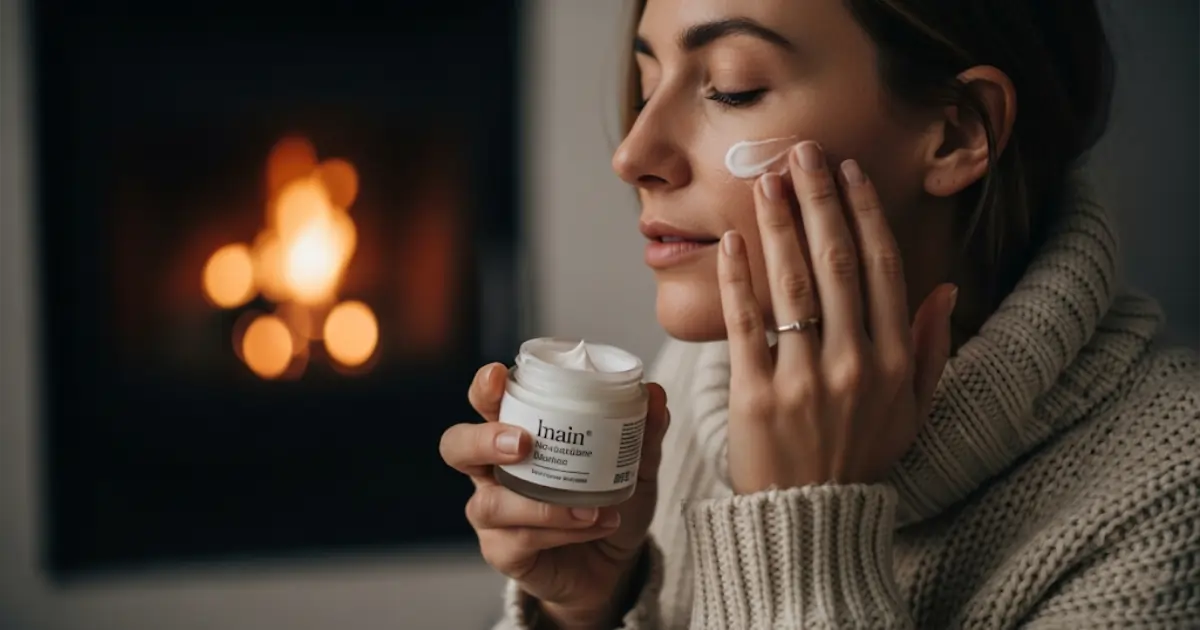
Winter Skin Care
Winter can be wonderful for your wardrobe, for tea, and for blankets—but it’s a challenging season for skin health. The intense cold, dry wind, low humidity, and hot showers directly affect the skin’s natural barrier, leaving it dry, sensitive, flaky, and even itchy.
That's why your winter skincare routine needs to be adjusted during this time of year. The products you use, your habits, and even the way you apply moisturizer should change to keep your skin hydrated, protected, and radiant.
In this article, you'll learn about the key aspects of winter skincare, what to avoid, what to focus on, and how to adapt your skincare routine in a simple and effective way.
How does cold weather affect the skin in winter?
“The skin feels the winter just as much as the lungs feel the dry air. The difference is that we can see it crying out for help.”— Dr. Elisa Taveira, dermatologist
Common Skin Problems in Winter
During the winter, it is common for various skin problems to develop or worsen due to low temperatures and lower humidity. One of the most common is atopic dermatitis, an inflammatory skin condition that causes itching, redness, and flaking. The cold dries out the skin, compromising its natural protective barrier and triggering flare-ups, especially in people who are predisposed to the condition. Consistent use of specific moisturizers and medical guidance are essential for managing symptoms.
Another very common problem during this season is excessive dryness of the skin in winter, also known as xerosis. This condition mainly affects the elderly and people with sensitive skin. Symptoms include roughness, a tight feeling, cracks, and, in more severe cases, painful fissures. Avoiding hot baths, using mild soaps, and applying thicker creams can help prevent this condition.
Psoriasis can also worsen during the winter. It is an autoimmune disease characterized by thick, red plaques with whitish scales. Moderate sun exposure generally improves the condition, so the reduced amount of sunlight during the colder months can lead to an increase in lesions. In addition, stress and wearing inappropriate clothing made of wool or synthetic fabrics can further irritate the skin in winter.
Chapped lips and dry hands are common complaints. These areas are most affected by direct exposure to the cold and wind. Using lip balms, gloves, and specialized creams with regenerative properties is essential for preventing cracks and inflammation, such as cheilitis (inflammation of the lips). Taking good care of these areas helps maintain skin comfort and health throughout the winter season and prevents the following problems:
- Severe dryness and cracks
- Itching (xerosis)
- Flaking on the face and body
- Exacerbation of atopic dermatitis and psoriasis
- Chapped lips and sensitivity in the hands
Winter Skincare Routine
A. Gentle, non-drying cleansing
- Choose liquid or creamy soaps that contain active ingredients such as glycerin and oats
- Avoid antibacterial soaps, which can be harsh on sensitive skin
- Wash your face with warm or cold water (never hot)
B. Enhanced Hydration
- Use richer moisturizers that are high in butters, ceramides, and natural oils
- Apply the moisturizer right after your shower, while your skin is still damp
- Reapply throughout the day to the driest areas (hands, elbows, knees)
C. Don't skip the sunscreen
- Even when there is less sun, UVA and UVB rays remain active
- Use at least SPF 30, and choose a moisturizing formula in the winter
D. Lip Care
- Use lip balms containing shea butter, coconut oil, or lanolin
- Avoid licking your chapped lips (this makes the problem worse)
- Gently exfoliate 1 time per week with honey and brown sugar
E. Full-Body Hydration
- Choose moisturizing lotions or creams that contain urea, shea butter, and almond oil
- Avoid using alcohol-based deodorants on your underarms; use hypoallergenic versions instead
Practical Tips for Protecting Your Skin in Winter
During the winter, lower temperatures and reduced humidity significantly contribute to dry skin. One of the key tips for protecting your skin during this season is to stay well-hydrated. In addition to drinking plenty of water, it’s essential to use moisturizers appropriate for your skin type, giving preference to those containing ingredients such as urea, glycerin, and hyaluronic acid. These ingredients help retain moisture and form a protective barrier against the cold.
Another important practice is to avoid very hot, long showers. Although they’re tempting on cold days, hot water strips the skin of its natural oils, making dryness worse. Ideally, take lukewarm showers and use mild soaps, preferably neutral or pH-balanced ones. After showering, apply moisturizer while your skin is still damp, which enhances the product’s absorption.
The use of sunscreen should not be neglected during the winter either. Even with less sunlight, UV rays are still present and can damage the skin in the winter, especially on cloudy days. Applying sunscreen to your face and exposed areas, such as your neck and hands, helps prevent premature aging and the appearance of dark spots.
It’s important to pay attention to your diet, since it directly affects skin health. Including foods rich in omega-3, vitamins A, C, and E—such as fish, citrus fruits, carrots, and nuts—helps keep your skin nourished and resilient against the harsh effects of the cold. With a little daily care, you can get through the winter with healthy, moisturized, and protected skin.
Case Study: Lucas, 38, bank employee
Challenge: In winter, he suffered from itchy legs, cracked fingers, and facial redness.
What he changed:
- He replaced his regular soap with a liquid cleanser containing oats
- He started using a body moisturizer with urea after showering
- He applied sunscreen with vitamin E every day
- He stopped wearing synthetic clothing and started drinking more water
Results in 3 weeks:
- Complete reduction of itching and flaking
- More even-toned facial skin without redness
- Crack-free lips and hands
- Greater comfort and less daily irritation
Ingredients That Are Good for Your Skin in Winter
Well-cared-for skin in the winter means comfort, protection, and beauty
Winter doesn't have to mean dry, chapped, or uncomfortable skin. With the right products, simple changes to your routine, and a little extra care, you can keep your skin hydrated, healthy, and beautiful all season long.
Your skin feels the winter. Take gentle care of it.
See Also
Comments
Loading comments…
See also
 Nighttime Skin Care Routine
 How to Control Shine, Prevent Acne, and Keep Oily Skin Healthy and Balanced | Vida Ideal Blog Shop
 Skin Hydration: Why It's Essential, How to Do It Right, and Which Products Really Work | Vida Ideal Blog Shop
 When to Detox Your Skin | Vida Ideal Blog Shop
 How to Boost Collagen for Your Skin | Vida Ideal Blog Shop