
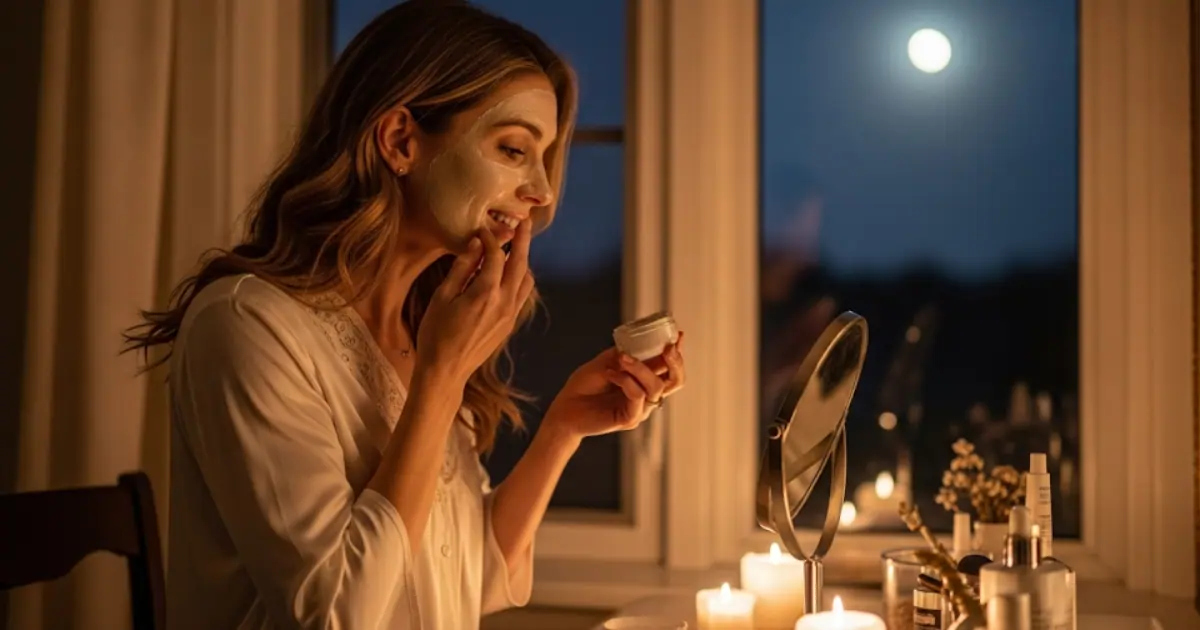
Nighttime Skin Care Routine
Did you know that the skin carries out its most intense cell-regeneration processes at night? While you sleep, the body reduces its production of cortisol, the stress hormone, and increases tissue repair activity—and that includes the skin.
That is why a well-structured nighttime skin care routine is not a luxury, but a strategy: it enhances the effects of active ingredients, counters the impact of pollution and daytime stress, and helps you wake up with a brighter, firmer, more hydrated complexion.
In this article, you will learn how to build your nighttime skin care routine, which steps are essential, how to choose the right products for your skin type, and what to avoid for the best results while you sleep.
Why is nighttime skin care so important?
During sleep:
- Skin temperature rises slightly, helping active ingredients penetrate
- Blood flow to the skin increases, optimizing nutrient delivery
- Melatonin and growth hormone production support regeneration
- There is no sun exposure, pollution, or makeup—an ideal setting for recovery
“Night is the time for deep skin treatment. It is when the skin absorbs the most and renews itself.” — Dr. Ana Lemos, functional dermatologist
Essential steps in a good nighttime skin care routine
A. Makeup removal and cleansing
- Remove all makeup, including from the eyes and neck
- Use cleansing oil, micellar water, or a makeup-removing balm
- Wash your face with a cleanser suited to your skin type
B. Exfoliation (1 to 2 times per week)
- Removes dead cells, unclogs pores, and helps the skin absorb the next products
- Use gentle chemical exfoliants, such as lactic acid, mandelic acid, or PHA, or mild physical exfoliants
C. Toner or essence
- Balances pH, soothes the skin, and prepares it for moisturizing
- Choose alcohol-free toners with soothing ingredients such as chamomile or green tea
D. Treatment serum
- The most concentrated step in the routine
- Choose serums with active ingredients that match your goal. Acne: niacinamide, salicylic acid
- Dark spots: tranexamic acid, vitamin C
- Wrinkles: retinol, peptides, hyaluronic acid
E. Nighttime moisturizer
- Choose rich, nourishing textures at night
- Ideal ingredients: ceramides, panthenol, rosehip oil, vitamin E
F. Facial oils (optional)
- For dry or mature skin, plant oils can be applied over the moisturizer
- Examples: argan, jojoba, evening primrose, or marula oil
Nighttime routine by skin type
Your nighttime skin care routine should be adapted to your skin type to achieve better results and avoid unwanted effects. For oily skin, focus on deep cleansing to remove excess sebum and prevent acne. Products containing salicylic acid or sulfur are recommended, followed by an astringent toner and a lightweight gel moisturizer. Finishing with a targeted acne treatment can help control oiliness and reduce inflammation.
For dry skin, the main goal is intensive hydration. Cleanse with gentle products such as cleansing milks or oils that do not damage the skin's natural barrier. After cleansing, apply a moisturizing toner and a serum with ingredients such as hyaluronic acid or ceramides. Finally, a richer, nourishing night cream helps repair damage from the day and prevent flaking overnight.
Combination skin requires balancing oil control in the T-zone—the forehead, nose, and chin—with hydration in the driest areas of the face. Cleanse with a gentle gel, followed by a toner that helps balance the skin's pH. Next, use a lightweight serum and an oil-free moisturizer. On areas prone to dryness, apply a little more moisturizer to the cheeks or chin.
People with sensitive skin should prioritize soothing, fragrance-free products. Use micellar formulas or cleansing creams at night to prevent irritation. A soothing toner with ingredients such as chamomile or thermal water can reduce redness. A serum containing niacinamide or panthenol helps strengthen the skin barrier, while the nighttime moisturizer should offer restorative, soothing action for comfort and protection during sleep.
Bedtime habits that affect skin health
Case study: Gabriela, 33 years old, physical therapist
Challenge: dull skin, early signs of aging, and mild sun spots.
Changes made:
- She started a cleansing routine + vitamin C in the morning and retinol at night
- She added nighttime hydration with hyaluronic acid and rosehip oil
- She began sleeping on a satin pillowcase and eliminated refined sugar at night
Results in 6 weeks:
- Firmer, brighter skin
- Visible fading of dark spots
- Fewer fine lines around the eyes
- Significant improvement in self-esteem
Myths about nighttime skin care
Morning beauty begins at night
If you want to wake up with radiant, firm, rested-looking skin, the secret lies in your nighttime skin care routine. Night is when your skin needs you most—and when it benefits most from the care you provide.
Sleep well, treat your skin wisely, and wake up looking and feeling healthier.
See also
Comments
Loading comments…
See also
 How to Boost Collagen for Your Skin | Vida Ideal Blog Shop
 Skin Hydration: Why It's Essential, How to Do It Right, and Which Products Really Work | Vida Ideal Blog Shop
 Winter Skin Care | Vida Ideal Blog Shop
 How to Control Shine, Prevent Acne, and Keep Oily Skin Healthy and Balanced | Vida Ideal Blog Shop