
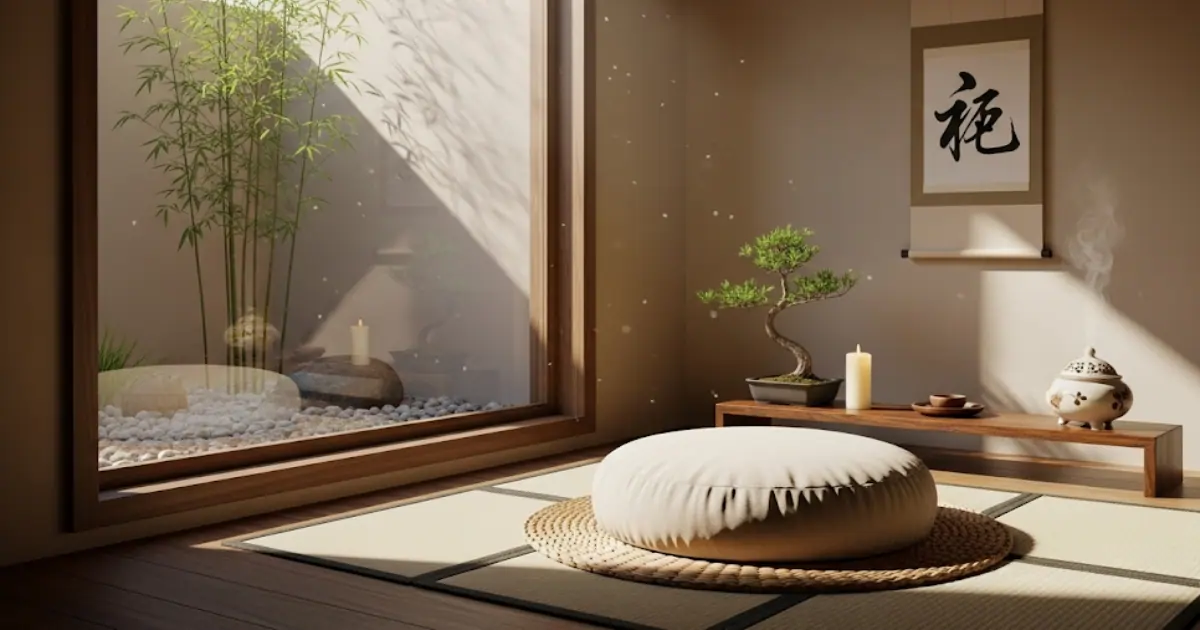
Zen Space at Home
Everyday life can be full of demands, such as work goals, household chores, commitments, and pressures. With such a hectic pace, we often forget about silence, our breath, and the present moment. A Zen space at home provides the perfect counterbalance: a steady anchor of calm, renewal, and mindfulness, even in small spaces.
Benefits of Having a Zen Space at Home
Having a Zen space at home provides a peaceful refuge amid a hectic routine. In an increasingly fast-paced world, having a space dedicated to tranquility and emotional balance is an effective way to reduce stress and recharge your energy. This space becomes a daily invitation to take a mindful break, helping your body and mind reconnect with the present moment.
One of the main benefits of this space is that it promotes mental health. Having a specific place for meditation, breathing exercises, or relaxation techniques helps regulate emotions, reduces anxiety, and improves focus. Studies show that even a few minutes a day spent in silence and introspection can have lasting positive effects on psychological well-being.
A Zen space at home also encourages healthy habits and more balanced routines. By incorporating this space into their homes, many people begin to set aside a moment each day for themselves—whether to read, meditate, practice yoga, or simply sit in silence. This regular practice fosters self-care and contributes to a more mindful and harmonious life.
In addition to the emotional benefits, there are also physical benefits. Activities such as light stretching, yoga, or guided breathing meditation, when practiced in this space, help reduce muscle tension, improve posture, and relieve stress-related pain. It is a gentle, preventive way to care for the body.
A Zen space at home can also improve the quality of your sleep. Having a calm and cozy place helps the mind slow down, promoting a more peaceful transition from the day to a night’s rest. Incorporating relaxing rituals into this space before bed can help prevent insomnia and lead to more restful nights.
Another benefit is the positive impact on the home’s energy. Spaces that convey a sense of serenity influence the entire house, fostering a lighter and more harmonious atmosphere. Elements such as plants, subtle scents, indirect lighting, and neutral colors enhance the sense of well-being, positively affecting all residents.
Having a Zen space at home reinforces the importance of setting aside time for yourself. Amid external demands, this space serves as a physical reminder that taking a break, finding silence, and listening to your inner self are just as important as productivity. It symbolizes the choice to live with greater balance, mindfulness, and presence.
A. Scientific evidence
- Meditation reduces stress and anxiety and improves mood and emotional resilience
- Meanwhile, a study by the APA (American Psychological Association) found that mindfulness techniques reduced stress symptoms in thousands of participants.
- Sessions lasting 10–20 minutes a day improve attention and working memory and reduce anxiety, and 10-minute sessions have been shown to provide benefits comparable to those of 20-minute sessions.
B. Practical Results
- Improved sleep
- Reduction of chronic pain, especially lower back pain, through practices such as yoga or qigong
- Stimulation of brain plasticity, fostering emotional connection, empathy, and focus
- Promoting moments of relaxation, which have a positive impact on mood and quality of life
Where to Create Your Own Zen Space at Home
A. Suggested Places
According to Architectural Digest, a bedroom and a corner near a window are great spots for this type of space.
“A little Zen corner can be as simple as a rug, a pillow, and a mental refuge.”
B. Measurement and Demarcation
- Use masking tape or a small mat (80 × 80 cm)
- If you're short on space, choose a portable kit in a basket—easy to set up and store
Functional and Aesthetic Decor for a Zen Space at Home
A. Furniture and objects
- Meditation mat, zafu, or meditation cushion
- Light blanket for warmth
- A small basket containing 3 to 5 symbolic items: a candle, incense, a crystal, and a bell
B. Lighting and Textures
- Soft lighting or candles — ideally natural light in the morning or late afternoon
- Soft fabrics (cotton, linen) and natural materials (wood, ceramics)
C. Sounds and Scents
- Soft music, sounds of nature, or a Tibetan bell
- Essential oils or incense to help you relax
D. “Hyggekrog” Visual Concept
Inspired by the Danish “hyggekrog” style, which features cozy nooks with blankets, soft lighting, and objects that convey a sense of warmth.
Creating a Routine for Your Zen Space at Home
Creating a routine for your Zen space at home is a way to cultivate balance, mindfulness, and well-being in your daily life. Rather than following strict rules, it’s about adopting habits that promote mental and emotional lightness. This routine can be adapted to each person’s circumstances, with simple practices that help you slow down and find moments of connection with yourself, even in the midst of a hectic daily life.
One of the first steps in developing this routine is to start your day more mindfully. When you wake up, instead of immediately diving into your phone notifications or worries, you can start with a deep breath, a short meditation, or some gentle stretching. This helps set the tone for the day with more serenity and mental clarity.
Incorporating intentional breaks throughout the day is also essential. Even with a busy schedule, short moments of silence, deep breathing, or observing nature can revitalize the body and mind. These moments serve as anchors in the present, preventing the routine from becoming overly automatic or exhausting.
Another important practice is cultivating gratitude. Taking a few minutes to reflect on the positive aspects of life—even simple ones—can shift your perspective and bring a sense of lightness to your daily life. Keeping a gratitude journal or simply reflecting on these thoughts at the end of the day contributes to a more positive and open-minded attitude.
Mindful eating is also part of the Zen routine. Eating slowly, savoring your food, and paying attention to bodily sensations during meals aids digestion and helps you connect with the present moment. Avoiding distractions like television or cell phones at this time transforms the act of eating into an experience of care and presence.
At night, slowing down is essential for a restful night’s sleep. Establishing a nighttime ritual—such as a warm bath, a relaxing cup of tea, quiet reading, or soft music—helps signal to your body that it’s time to unwind. Practices such as journaling, guided meditation, or listening to nature sounds can be incorporated to naturally induce sleep.
A Zen routine at home is less about perfection and more about intention. It’s built on conscious choices, made by listening to your inner self and respecting your own rhythm. By incorporating small moments of mindfulness into your daily life, you can transform your routine into a space of balance and lasting self-care.
A. Simple start (2–10 minutes)
- Wake up, sit down, and breathe mindfully
- It can include incense, a mantra, or silence
B. Daytime pick-me-up (after work)
- Short meditation or gentle stretching
- Helps with the mental transition between work and rest
C. End of the day
- Choose a closing ritual: light reading or journaling
- Prepare your mind and body for sleep
Case Study: Mariana, 45, executive and mother
Situation
A chaotic routine, mild insomnia, and difficulty “unwinding” after work.
Solutions
- A 1-square-meter space next to the interior balcony
- Zafu, blanket, scented candle, and 5-minute hourglass
- Morning ritual: 3 minutes of mindful breathing
- Evening ritual: 5 minutes of free writing
Results after 3 weeks
- Reported improvements in concentration and mood
- She slept better (with fewer awakenings)
- Reduced irritability and impatience with children
Upkeep and evolution of the space
- Keep the space free of piles and clutter
- Wipe it down weekly with a dry or slightly damp cloth
- Swap out seasonal items (incense, flowers, blankets)
- As you go along, include elements such as books, journals, and mandalas
A Zen space at home is more than just design: it’s an invitation to practice self-care, cultivate mindfulness, and recharge your mental energy—every day. Even just 1 m² can transform your well-being, productivity, and quality of life through simplicity, consistency, and respect for your own pace.
See Also
Comments
Loading comments…