
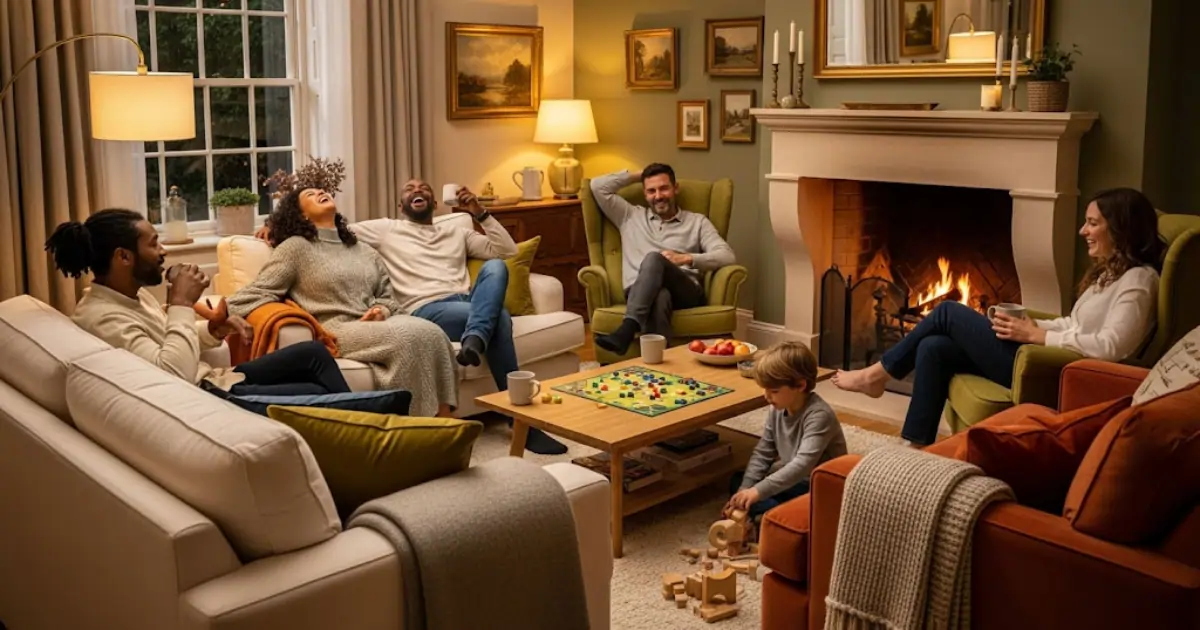
Designing Spaces for Socializing at Home
In today’s fast-paced world, it’s not enough just to live in a home—we need to connect, interact, and share good times within it. And that requires spaces designed to function in different scenarios: a romantic dinner for two, small gatherings with friends, game nights, collaborative work, and so on. But how can you maintain a sense of lightness and comfort in spaces that serve different purposes? The answer lies in a smart design for living spaces at home—one that combines style, organization, and flexibility with the ingredients for a rich and uncomplicated social life.
Why invest in living spaces at home?
A. Social and Emotional Benefits
- Encouraging connection: Well-designed spaces foster conversation and integration
- Home Comfort: Physical Structure Influences the Sense of Warmth and Welcome
- Support for special occasions (birthdays, games, get-togethers): less stress about planning
Data from the Harvard Study of Adult Development show that quality relationships are the primary indicator of happiness and longevity.
B. Increase in the property's value
Floor plans with well-designed living areas are more highly valued by real estate agencies and digital platforms.
C. Versatility of Use
A single space can be used for dinner, video games, group study, or a relaxing break—without losing its unique character.
How to Plan an Adaptable Layout for Living Spaces at Home
Planning a flexible layout for living spaces at home involves thinking beyond aesthetics and prioritizing versatile functionality. These spaces—such as living rooms, gourmet patios, or open-concept areas—should accommodate different uses, from moments of relaxation to gatherings with friends, without sacrificing comfort or organization. The key lies in creating an environment that can be transformed as needed, without requiring major renovations or structural changes.
The first step is to map out the space’s frequent uses and the activities that may occur occasionally. A living area can be used for watching TV, reading, working, entertaining guests, or even practicing yoga. This variety calls for flexible solutions, such as modular furniture, foldable pieces, or furniture with casters, which allow for quick and practical changes. The more multifunctional the chosen elements are, the more adaptable the layout will be.
When choosing furniture for living spaces at home, you should follow the principles of mobility and modularity. Retractable sofas, ottomans that double as tables or extra seating, shelves with removable compartments, and stackable stools are great additions. In addition, lightweight, easy-to-move furniture allows you to rearrange the space according to the number of people present or the activity at hand.
Another key point is the subtle delineation of zones within a space, even in open-concept layouts. Rugs, directional lighting, and subtle variations in the color palette help define areas without creating physical barriers. This makes it possible, for example, to have a reading nook that stands out without disrupting the flow of the space as a whole.
Lighting should also be approached flexibly. Using a variety of light sources—such as spotlights, floor lamps, pendant lights, and natural light—allows you to create different atmospheres within the same space. Brighter light for meetings or group games, and soft lighting for relaxation and intimate conversations, for example. Dimmers are excellent for adjusting the brightness to suit the moment.
A flexible layout for living spaces at home should also incorporate smart storage solutions. Drawers built into benches, shelving units with storage baskets, and multifunctional panels keep the space visually uncluttered and ready for various uses. When everything has its place, the transition from one use to another becomes more practical and seamless.
Technology can be an important ally for living spaces at home. Built-in sound systems, strategically placed outlets, and automated curtains contribute to an efficient living environment that adapts at the touch of a button. This makes the space more practical and welcoming, while also enhancing the user experience.
It’s essential that the adaptable layout reflect the residents’ lifestyle. It’s not just about following trends, but about understanding how the space can evolve as the family’s routine changes. A good design is one that remains functional over time, promoting well-being, comfort, and flexibility for every moment of life at home.
A. Multifunctional Zones
- Seating area (sofa, armchairs, coffee table)
- Dining area (retractable or extendable table)
- Support area (mobile bar, cart, buffet)
- Open space for play and light exercise
B. Logical Flow Between Functions
- Traffic routes (90 cm clearance)
- "U"- or "L"-shaped furniture allows for smooth transitions
- Rugs and lighting define zones without visually separating them
C. Mobile and Fixed Options
- Table with a Retractable Extension
- Modular sofa (corner section, converts to a bed)
- Furniture with a sliding top that doubles as an auxiliary surface
Multifunctional Furniture That Encourages Socializing
A. Folding/extendable table
- Hidden extensions increase capacity
- The tabletop rotates or opens without requiring disassembly
B. Bar/buffet cart with wheels
- It serves as a surface for drinks, sweets, and seasonal decorations
- It makes it easier to gather and put away items at the end of the night
C. Modular sofa or bed
- Extra benches or chaise lounges that can be moved as needed
- Some modules can be used as a pouf or a side table, depending on the gathering
D. Open-Shelf Bookcases
- They visually delineate but maintain integration
- They arrange books, vases, and other objects that also serve as decorations
Styling Tips for Hosting Gatherings in Your Home’s Living Spaces
Creating cozy living spaces at home for different occasions involves much more than just decorating; it’s about preparing the space to evoke feelings and foster connections. The stylistic elements you choose should complement the purpose of each gathering—whether it’s an informal get-together with friends, an intimate dinner, a special celebration, or simply a moment of relaxation with the family. A welcoming style isn’t rigid; it’s attuned to the people and the desired atmosphere.
Lighting is one of the key elements for creating this welcoming atmosphere. Warm, indirect, and adjustable lighting transforms any space, making it more inviting. Lanterns, candles, and table lamps create pleasant focal points and convey an immediate sense of comfort. For dinners, soft overhead lighting combined with small points of light at the ends of the table can highlight both the food and the faces gathered around it.
The color palette also plays an important role. Earthy, neutral, and soft tones tend to be more welcoming, promoting relaxation and well-being. However, on festive occasions, adding vibrant colors in details such as throw pillows, table linens, or tableware can bring joy and energy to the space. The secret lies in balance and the intention behind each color choice.
Fabrics are great for setting the mood in a space. Flowing curtains, throws draped over the sofa, soft pillows, or even rugs with textures that feel pleasant to the touch enhance the sense of coziness. These elements don’t have to be permanent; they can be easily swapped out depending on the season or the nature of the event, making the space more dynamic and sensory.
Decorative items in your home’s living spaces also help set the mood and make the moment more special. Fresh flowers, candlesticks, trays with personalized items, or even a selection of books and games on the bookshelf show attention to detail and a warm welcome for your guests. At the same time, it’s important to avoid excess that could create visual clutter or hinder movement.
Furniture for living spaces at home should promote interaction and flexibility. L-shaped sofas, ottomans, stools, or extendable tables make it easy to rearrange the space depending on the number of people. It’s essential that everyone feels included and comfortable, whether they’re seated in the center or at the ends. Good circulation and layout encourage conversation and connection among those present.
Background music in the living areas of your home is another subtle yet powerful style element. Selecting themed playlists, soft sounds, or even putting on a record can enhance the sensory experience of the space, making it even more immersive. Music serves as an emotional backdrop and should be chosen with careful attention to tempo and volume, taking into account the nature of the gathering.
The most inviting design elements for living spaces at home are those that reflect the hosts’ personalities. Photographs, travel souvenirs, handmade art, or objects with sentimental value tell stories and invite guests to feel like they’re part of that space. When a space exudes authenticity, it naturally feels welcoming, regardless of the occasion.
A. Palette of neutrals and seasonal colors
- Neutral base (gray, sand, off-white)
- Add a splash of color with pillows, decorative items, and plants, which can be changed to suit the season or occasion
B. Zoned Lighting
- Spotlights or tracks for general lighting
- Table lamps and pendant lights for dinner or reading
- String lights or artificial candles at evening events
C. Appropriate textiles
- Easy-to-clean rugs
- Comfortable Throws That Are Easy to Swap Out
- Removable pillow covers
D. Books, Plants, and Art
- Versatile objects that serve as a source of emotional support
- Plants that purify the air and soften the look of a room
Case Study: The Home of Rosa and Mateus, with 3 Children
Challenge
A home where the family gathers, children play, and friends are entertained—all in a single living room.
Solutions
- Extendable table; when open, it seats eight people
- A stowable cart with drinks and snacks
- Modular sofa with a chaise that converts into a guest bed
- Open-shelf bookcase between the living room and the study area
- A beige color scheme with touches of blue and green on the pillows
- Zoned lighting with dimmers and pendant lights
Results after 3 months
- A Cozier Atmosphere for Family Dinners
- A Flexible System for Organizing Toys and School Supplies
- Ease of transforming the space for different uses
A Routine for Maintaining Versatility in Shared Living Spaces at Home
A. Pre-Gathering Checklist
- Clear half the floor
- Pick up loose objects
- Set up a cart with drinks and snacks
B. Post-Gathering Checklist
- Gather up soiled textiles
- Dim the festive lights
- Return the furniture to its original position
C. Monthly Review
- Test how the table opens
- Evaluate seatbacks, casters, and the lighting system
- Donate items you no longer need
Living spaces at home are more than just physical spaces; they are links that connect people, stories, and emotions. With careful design, the right furniture, and attention to detail, even small spaces can foster memorable moments with a sense of lightness, functionality, and style.
See Also
Comments
Loading comments…