
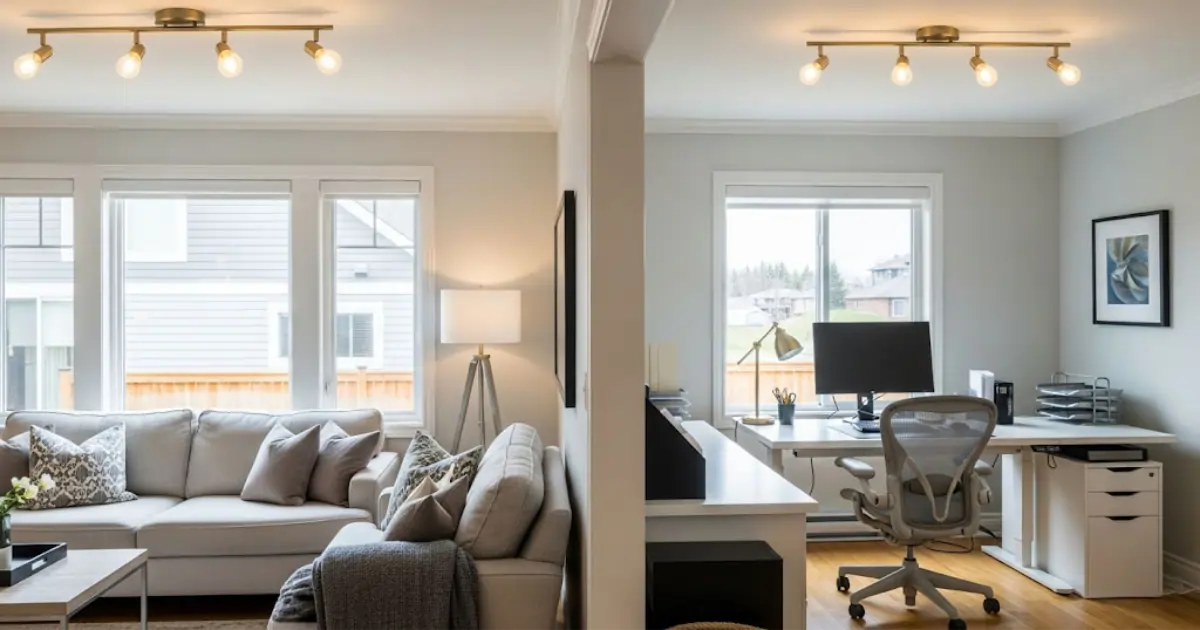
Proper Lighting for Home and Work
Proper Lighting: Have you ever walked into a room and felt uncomfortable because of the lighting? Or spent hours in front of the computer with a headache and eye strain? Lighting directly influences our energy levels, focus, health, and perception of spaces. But the lighting we have isn’t always ideal for every environment or activity.
In this comprehensive article, you'll learn:
- Types of Lighting and Their Functions
- How to Choose the Ideal Temperature and Intensity
- Applications by Room (Residential and Work)
- Tips for Reducing Energy Consumption
- Practical Case Study
- Maintenance Routines and Adjustments
Types of Lighting and Functions
Proper lighting can be divided into different types, each with a specific function in the design of a space. Understanding these categories is essential for creating well-lit, comfortable, and functional spaces. The main types of lighting are: general (or diffused), direct, indirect, accent (or focal), and decorative. Each contributes in a unique way to the aesthetics, visual comfort, and usability of the space.
General lighting is the foundation of any lighting design. Its purpose is to provide even, wide-ranging light that allows people to move around and perform daily tasks safely. It is typically provided by ceiling fixtures, such as ceiling lights, center pendants, or recessed lights. It is essential for ensuring minimum visibility throughout the space, but it generally needs to be supplemented by other types of lighting.
Direct lighting, on the other hand, is light that falls directly on a specific surface or area, making it ideal for activities that require greater visual concentration, such as reading, writing, food preparation, or crafts. Table lamps, adjustable spotlights, and pendant lights over countertops are common examples. Its purpose is to increase efficiency and reduce eye strain.
Indirect lighting, on the other hand, uses surfaces such as ceilings or walls to reflect light, creating a softer, more diffused effect. It’s ideal for creating a cozy atmosphere and avoiding harsh shadows, and is widely used in living rooms, bedrooms, and relaxation areas. LED strips embedded in crown molding or behind furniture are common solutions for this type of lighting.
Accent lighting is designed to highlight specific elements in a space, such as works of art, decorative objects, or wall textures. It creates points of visual interest and helps guide the eye throughout the space. Recessed spotlights, track lighting with reflectors, and wall sconces are commonly used for this purpose.
Decorative lighting focuses primarily on aesthetics. It goes beyond the function of providing light and becomes an integral part of the room’s design, such as with imposing chandeliers, uniquely shaped light fixtures, or creative pieces with built-in lighting. It conveys style and personality and can serve as a focal point in the decor, balancing light and art. By strategically combining different types of appropriate lighting, it is possible to create more versatile, welcoming, and functional spaces.
A. General (ambient) lighting
- Responsible for lighting the entire space
- Typically provided by ceiling lights, chandeliers, or recessed spotlights
- It should ensure comfortable visibility without excessive glare
B. Functional Lighting (Purpose)
- Designed for specific surfaces, such as a table, stove, or countertop
- It could be a table lamp, adjustable spotlights, or under-cabinet lighting
C. Decorative (accent) lighting
- Emphasizes aesthetic elements: paintings, plants, niches
- Made with LED strips, pendant lights, or accent spotlights
Appropriate color temperature and light intensity
A. Color temperature (Kelvin)
B. Brightness (lumens)
- Living room: 1,500–3,000 lm
- Kitchen/office: 3,000–5,000 lm
- Directional lighting: 300–700 lm
Proper Lighting for Each Room
A. Living/Dining Room
- Soft general lighting (2,500 lm, 2,700 K)
- Spotlights aimed at shelves and walls
- Floor lamp or reading lamp
B. Kitchen
- Neutral-focused light (4,000 K, 5,000 lm)
- LED strips under cabinets
- Pendants hanging over the countertop
C. Bedroom
- Warm, indirect light (2,500–3,000 K)
- Table lamp for nighttime reading
- Appropriate decorative lighting built into the closet or backlighting on the headboard
D. Home office/office
- Cool-neutral white light (4,000 K)
- Table lamp with adjustable shade
- Recessed ceiling spotlights or track lights
E. Hallway and Entrance
- Warm general lighting
- Spotlights aimed at paintings or decorative objects
Sustainability and Cost Savings Through Proper Lighting
Sustainability and resource conservation have become central concerns in the planning of residential and corporate environments. With growing awareness of environmental impacts and the steady rise in energy costs, seeking sustainable solutions is not only an ethical choice but also a smart way to reduce expenses in the long term. In this context, sustainability involves the rational use of natural resources, recyclable materials, energy efficiency, and the durability of the products used.
One of the most practical ways to combine sustainability with cost savings is to invest in appropriate and efficient lighting, such as LED bulbs. They consume up to 80% less energy than incandescent bulbs and have a much longer lifespan. This reduces both energy consumption and the need for frequent replacements, resulting in less waste and greater savings on electricity bills. In addition, the use of motion sensors and timers can prevent wasted energy in rooms that are rarely used.
The use of sustainable materials in construction and interior design also contributes significantly to environmental preservation. Furniture made from certified wood, water-based paints, organic fabrics, and recyclable flooring are examples of more environmentally conscious choices. In addition to having a lower environmental impact, many of these materials are durable and require less maintenance, resulting in savings over time.
Another effective strategy is to focus on natural ventilation and lighting. Designing spaces that make the most of daylight and air circulation reduces the need for artificial lighting and air conditioning. This reduces the use of electrical appliances such as air conditioners and fans, positively impacting both energy bills and the thermal comfort and air quality of the spaces.
Adopting sustainable practices can also involve the use of smart technologies, such as home automation systems. These systems allow you to efficiently control lighting, temperature, and appliances, thereby preventing waste. Using apps or sensors, you can automatically turn off devices, adjust light levels, and schedule operating times, optimizing energy use and promoting more mindful habits.
Sustainability and cost savings go hand in hand when we adopt a mindset of conscious consumption. Assessing the true need for each purchase, avoiding premature disposal, reusing items, and choosing products with greater durability are simple actions that have a significant impact. Small changes in behavior, when applied to daily life, generate lasting financial and environmental benefits, fostering a more balanced relationship with the planet.
- Use LED bulbs: they last longer and use up to 80% less energy
- Install motion sensors in high-traffic areas
- Choose dimmers and switches with timers
- Keep light fixtures clean to maximize efficiency
Case Study: Ana, 40, freelance writer
Problem: While working from the living room, she experienced eye strain, insomnia, and a room that lacked character.
Solutions implemented:
- Replaced the ceiling panel with neutral-white (4,000 K) LED ceiling lights
- She installed an adjustable lamp above the writing desk
- She installed a built-in LED strip on the bookshelf
- She added a table lamp with warm lighting for nighttime reading
- She installed a dimmer switch and a motion sensor
Results after 1 month:
- Better focus throughout the day, without eye strain or irritation
- A more welcoming atmosphere at night, promoting sleep
- She took greater pleasure in spending time in the space and writing
Maintenance Routine and Adjustments for Proper Lighting
- Wipe down light fixtures with a dry cloth
- Check for burned-out or flickering bulbs
- Adjust the height of light fixtures to accommodate changes in the layout
- Reevaluate natural light as the seasons and times of day change
Advanced Tips for Proper Lighting
- Circadian lighting: adjust the temperature throughout the day
- Windows with double curtains (blackout + voile)
- Mirrors to amplify natural light
- Keep in mind that colored walls (warm colors absorb more light)
Proper lighting transforms spaces: it improves mood, ergonomics, productivity, and a sense of warmth and welcome. It’s not a luxury—it’s a form of care. And by making mindful choices, you can create spaces that are more beautiful, efficient, and healthy.
See Also
Comments
Loading comments…