Functional Office Decor
When we think of an office, the typical image that comes to mind is white walls, a plain chair, and a bland monitor. But this scenario can (and should) be better. Functional decor combines the best of both worlds:
- The practical side, with comfort, ergonomics, and organization that enhance performance.
- The aesthetic side, with elements that inspire pleasure, belonging, and identity.
And the result goes beyond appearance: a well-decorated and functional environment can increase productivity, reduce stress, and promote well-being.
Understanding the Pillars of Functional Decor
A. Ergonomics and Comfort
Furniture chosen to provide proper support for the body.
B. Organization and Accessibility
Items need to be within reach without creating a mess.
C. Identity and Personal Style
Decorations reflect your personality and boost your motivation.
D. Light and Atmosphere
The right lighting promotes concentration and alertness without causing stress.
Setting Up the Space: What to Consider
Setting up a space—whether for work, study, reading, or relaxation—requires more than just arranging the furniture. The first step is to understand the space’s primary function: will it be used for focus and concentration? For rest? For socializing? This clarity guides all subsequent choices, from lighting to decorative elements, ensuring that the space fulfills its purpose efficiently and pleasantly.
Lighting is a crucial factor. Spaces designed for productivity require abundant natural light or well-distributed white artificial lighting, while relaxation areas can benefit from warmer, indirect lighting. Investing in adjustable light fixtures or dimming systems can increase the space’s versatility, allowing for adjustments based on the time of day or the activity being performed.
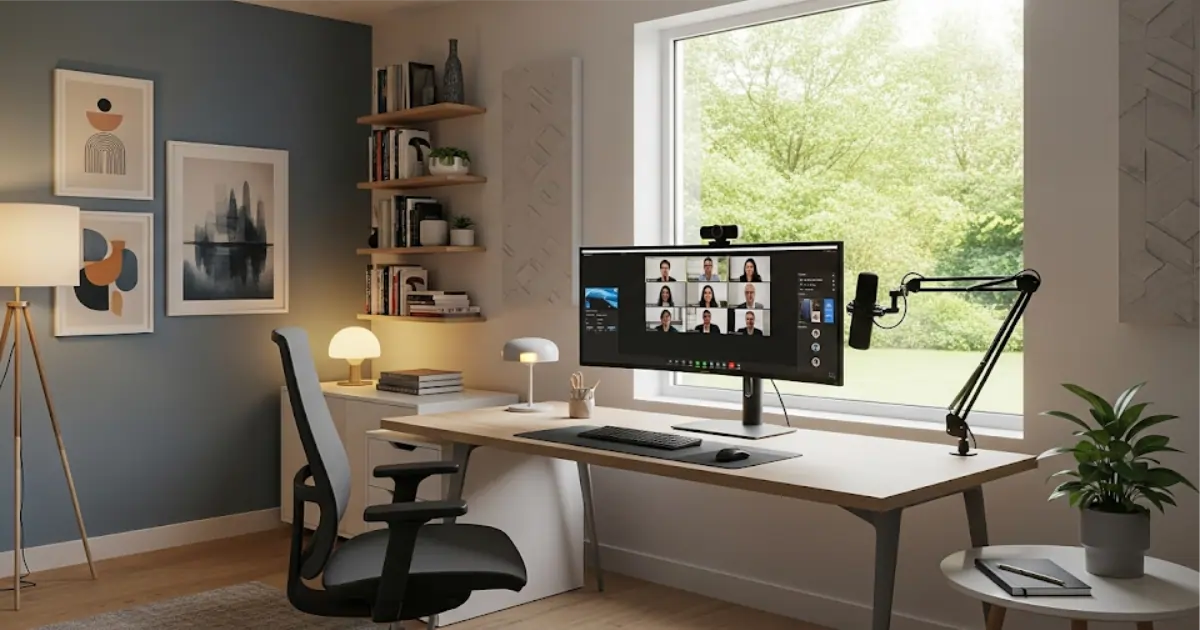
When choosing furniture, consider ergonomics, proportion, and circulation. In small spaces, multifunctional and well-proportioned furniture helps optimize the space. In areas where people spend extended periods of time, such as home offices or reading rooms, chairs and tables should adhere to the principles of postural comfort. Additionally, it is important to ensure there is enough space to move around without obstacles.
Another essential aspect is sound control. External noise or internal echoes can interfere with both concentration and rest. Rugs, thick curtains, acoustic panels, and even plants help absorb sound and create a more welcoming atmosphere. If the space is shared, visual barriers or partitions also contribute to privacy and concentration.
The color palette should reinforce the purpose of the space. Light colors visually expand small spaces and convey a sense of lightness, while darker tones add warmth and sophistication. Vibrant colors can be used sparingly to stimulate creativity or add personality, provided they do not create visual overload.
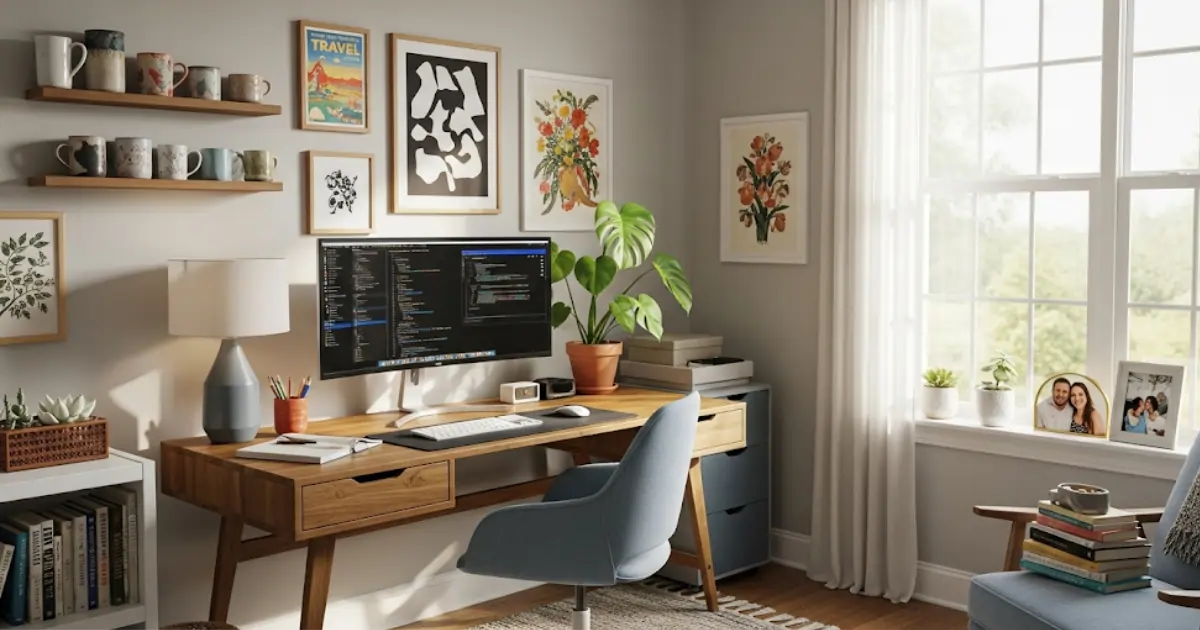
The setting should reflect the person who will use it. Elements such as pictures, cherished objects, plants, and textures make the space more welcoming and inspiring. Personalizing the space in a balanced way, respecting its purpose and avoiding excess, creates a sense of belonging and well-being—essential factors for using the finished space continuously and with satisfaction.
A. Choosing a Chair
Model with lumbar support, height adjustment, and armrests. Breathable fabric upholstery. Casters suitable for the floor.
B. Functional Desk
Height: 70–75 cm. The surface has space for a monitor, mouse, and a writing area. Rounded corners help prevent accidents.
C. Ergonomics in Layout
Monitor at eye level (top of the screen). Keyboard positioned so that the elbows are at a 90° angle. Footrest if needed.
Inspiring Decor
A. Motivating Color Palette
- Neutral tones as a base
- A pop of color in accessories and details
B. Murals and Mood Boards
They help you organize your thoughts and stay focused. Magnetic, cork, or fabric models.
C. Plants and Natural Elements
Wall niches and a desk with succulents. Benefits: improved air quality and reduced stress.
D. Functional Art
Pictures with inspirational quotes or infographics. Use items that hold emotional significance.
Organization as Part of the Decor
A. Visual aids
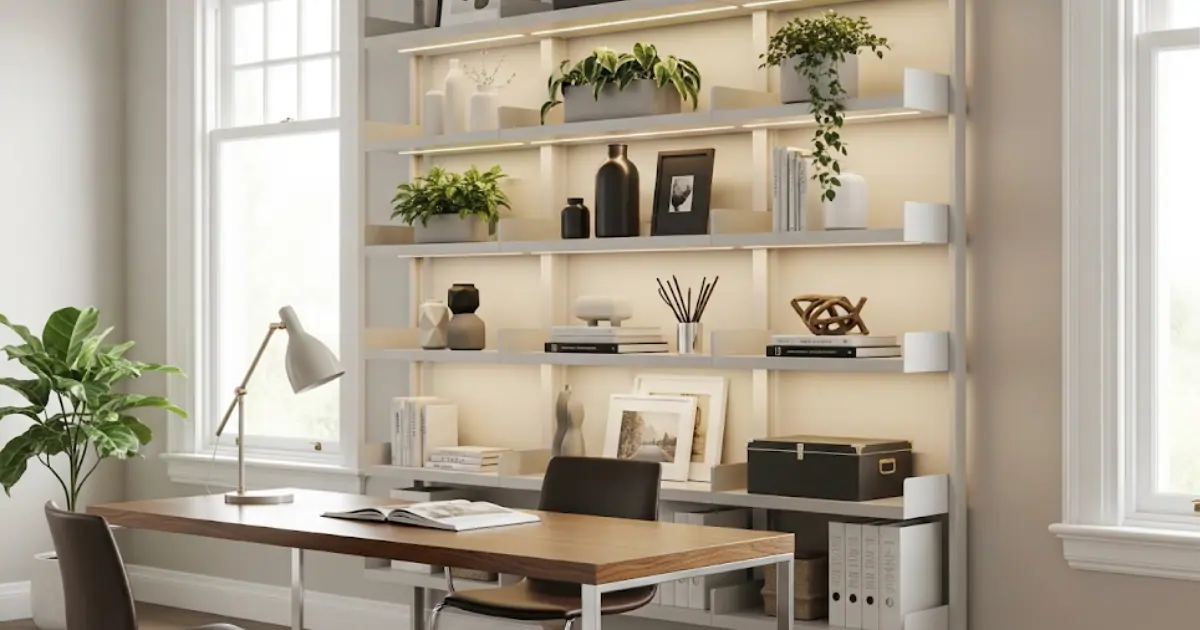
- Adjustable shelves
- Color-coded shelving for files
- Cubbies for frequently used items
- Small vases, books, and accessories for visual balance
B. Zoning Without Barriers
Open shelving defines spaces without blocking the view. A rug defines the “work” area.
C. Hidden Storage
Boxes, drawers with dividers, and drawer units with casters. Use labels and color-coding systems.
Case Study: Sofia, 30, financial advisor
Challenge: A home office set up in a guest room with a bland look and uncomfortable chairs.
Solutions:
- Folding table with a light-colored wooden top
- Black ergonomic chair with yellow accents
- Shelf above the table with books and succulents
- Cork board with personal photos and notes
- Light gray rug and table lamp with a dimmable LED bulb
Result:
- +25% productivity on complex tasks
- Satisfaction from working in a space that reflects who she is
- A greater sense of emotional ease and focus during work hours
Tools, materials, and sources of inspiration
Functional decorating goes far beyond aesthetics: it involves thinking of practical, accessible solutions that adapt to your daily routine. To achieve this, having the right tools makes all the difference. Tape measures, levels, drills, and assembly kits are basic items that make it easier to install shelves, niches, or modular furniture. Measurement apps or 3D visualization tools also help you test out layouts before actually changing the space, reducing errors and rework.
The materials you choose also directly influence the functionality of the space. Storage bins, baskets, wall mounts, and internal dividers are valuable allies for maintaining order and optimizing the use of space. In addition, durable, washable, and versatile materials such as MDF, acrylic, waterproof fabric, or painted metal offer resilience without compromising design. The key is to choose items that contribute to both the organization and the aesthetics of the space.
When the goal is to create personalized solutions, DIY (do-it-yourself) can be a great ally. Creative painting, repurposing old furniture, and customizing objects allow you to add a personal touch to your decor on a budget. For those who want practicality with style, wall decals, contact paper, and perforated panels are great alternatives that combine practicality with an interesting visual effect.
Sources of inspiration are everywhere—you just have to know where to look. Platforms like Pinterest, Instagram, and YouTube offer endless visual inspiration, with tutorials and real-life projects that can be adapted to your situation. Blogs on functional decor, channels run by professional organizers, and specialized digital magazines also provide practical tips and examples that can be applied to different types of spaces and budgets.
In addition to online resources, visiting brick-and-mortar home decor stores, woodworking shops, and design fairs can open up new possibilities. Seeing products up close, testing textures, and checking actual dimensions helps you make a more informed choice. Talking to salespeople and experts can also yield good suggestions for simple solutions that don’t always show up online.
It’s important to remember that functional decor should support the daily routine of those who live in the space. Assessing habits, needs, and personal preferences is the first step toward making good choices. Functionality is revealed in the details: a coat rack in the entryway, an organizer tray on the countertop, or a basket near the sofa. With the right tools, well-chosen materials, and good sources of inspiration, it’s possible to create beautiful, practical spaces full of personality.
Common Mistakes / Precautions
- Accumulating too many objects creates confusion
- Visual inconsistency disrupts concentration
- Direct light hinders reading and reflection
- Colors that are too vibrant can strain the eyes
Maintenance and Continuous Improvement
- Monthly Cleaning Routine
- Review every 3 months (do these colors still inspire you?)
- Simple casters on movable furniture if you need to change the layout
Functional decor is the key to creating a home office that not only accommodates your work but also inspires and calms you. It’s not about spending a lot, but rather about balancing form, function, and identity to create spaces that support you every day.
See Also
Comments
Loading comments…