Healthy and Nutritious Dinner
A healthy dinner is the last important meal of the day and directly influences sleep quality, nighttime metabolism, weight management, and digestion. Many people make two common mistakes: skipping dinner, which leads to intense hunger and binge eating, and eating heavy or ultra-processed foods, which impair digestion and sleep.
Why should a healthy dinner be light?
Nighttime Digestion After a Healthy Dinner
Metabolism slows down at night, and heavy meals:
- They put a strain on the digestive system
- They can cause acid reflux, gas, and discomfort
- They interfere with deep sleep
Sleep Quality After a Healthy Dinner
A study published in the Journal of Clinical Sleep Medicine showed that meals high in saturated fat and sugar eaten in the evening reduce deep sleep by up to 20%.
Weight Management Through Healthy Dinners
Avoiding excess calorie intake at night helps to:
- Reduce fat accumulation
- Improve insulin sensitivity
- Reduce episodes of nighttime hunger
What to Include in a Healthy Dinner
A healthy dinner consists of foods that provide nutrition without overburdening the digestive system.
Light proteins
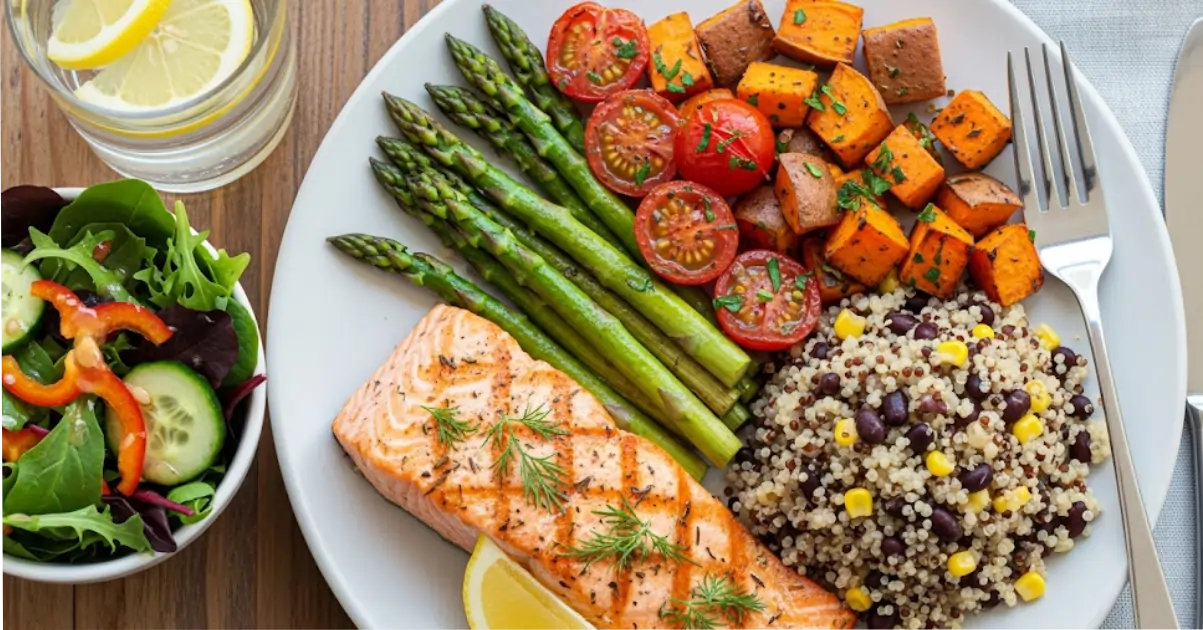
- Grilled Fish
- Hard-boiled eggs or egg white omelet
- Shredded chicken
- Tofu or well-cooked legumes
Complex carbohydrates (in small amounts)
- Brown rice or 7-grain rice
- Sweet potato or arracacha
- Cooked quinoa
Vegetables and Fiber
- Broccoli, spinach, zucchini, cauliflower
- Colorful salads with raw or cooked greens and vegetables
- Vegetable soup as a light, complete meal option
Good Fats
- Olive oil
- Seeds (chia, flaxseed, pumpkin)
- Avocado in small portions
Foods to Avoid at Night
Avoiding certain foods at night can significantly contribute to better sleep quality, easier digestion, and weight management. As the body prepares for rest, the metabolism slows down, making it harder to digest heavy and stimulating foods. Eating the wrong foods during this time can cause discomfort such as heartburn, gas, insomnia, and even weight gain over time.
One of the main categories of foods to avoid at night is foods high in saturated fat, especially fried foods. Foods such as hamburgers, French fries, and pizza put a strain on the digestive system, requiring more time and energy to process. This can directly affect sleep quality and may also contribute to acid reflux in more sensitive individuals.
Simple sugars and sweets in general should also be avoided at night. Cakes, chocolate, soda, and other sugary foods cause spikes in blood glucose and insulin levels, which can disrupt the circadian rhythm and make it difficult to relax enough to sleep well. In addition, frequent consumption in the evening can promote the storage of body fat.
Refined carbohydrates, such as white bread, pasta, and polished rice, are quickly digested and have low nutritional value. When consumed in excess at night, they can lead to weight gain and energy fluctuations, disrupting deep sleep. If you’re going to eat carbohydrates at night, opt for whole-grain versions in small portions.
Caffeine is another well-known nighttime villain. Found in coffee, dark teas, soft drinks, and even chocolate, these stimulants directly affect the central nervous system, making it difficult to fall asleep and stay asleep. Even in people who say they’ve “built up a tolerance,” caffeine can reduce sleep quality without them realizing it.
Red meat and high-protein foods in large quantities should also be avoided at night. Although protein is important for satiety, too much of it—especially from heavy meats—can slow digestion and cause discomfort. A lighter alternative is protein that’s easier to digest, such as eggs or plain yogurt.
Spicy sauces, hot foods, and foods with a lot of strong spices—such as excessive amounts of pepper, curry, and garlic—can also cause stomach irritation and worsen reflux symptoms. This not only interferes with digestion but also with the body’s ability to relax before bedtime, making sleep more shallow.
It’s important to pay attention to your body’s own signals. Ideally, you should opt for light, high-fiber meals with small portions of protein and healthy fats to ensure restful sleep and better long-term health. Foods that cause discomfort or restlessness should be avoided, even if they aren’t on traditional lists, such as:
- Fried foods and fast food (heavy and slow to digest)
- Fatty meats (such as ribs or sausage)
- Too many sweets and chocolates (sugar affects sleep)
- Alcoholic beverages (affect sleep quality and put a strain on the liver)
- Coffee and stimulating teas (may cause insomnia)
Examples of healthy, quick dinners
Protein-Packed Salad
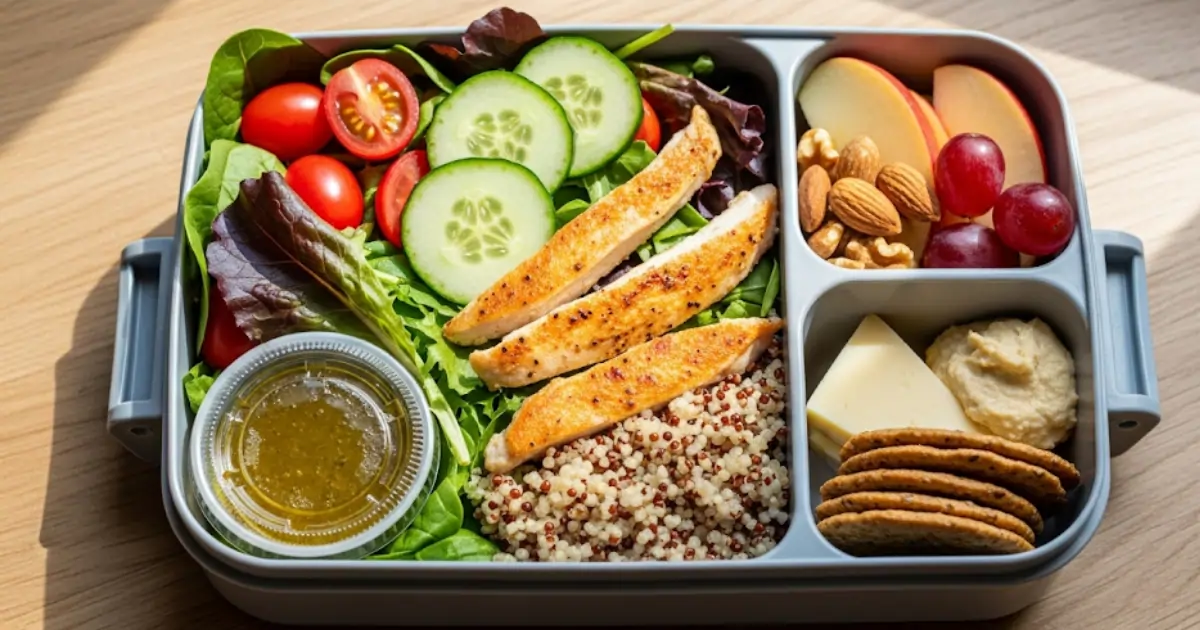
- Mixed greens + tomato + hard-boiled egg + shredded chicken + a drizzle of olive oil
Functional Soup
- Pumpkin soup with ginger + optional whole-grain croutons
Vegetable and Grain Bowl
- Quinoa + boiled broccoli + steamed carrots + grilled fish
Light Omelet
- Egg-white omelet with spinach + green leaf salad
Whole-wheat wrap
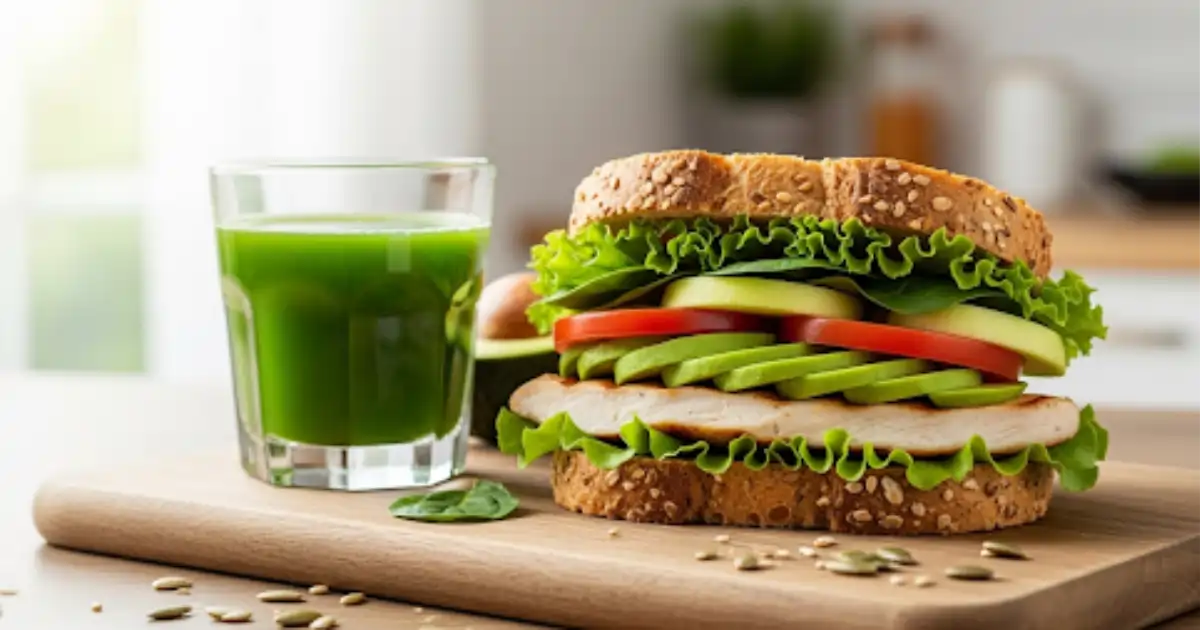
- Whole-wheat bread or tortilla + chicken breast + lettuce + sliced avocado
Strategies for Avoiding Reliance on Food Delivery
Relying on food delivery too often can take a toll on both your health and your budget. While convenient, this habit tends to encourage less balanced and more expensive food choices. To reduce this reliance, the first step is to become aware of the impacts of this consumption pattern. Once you understand that cooking at home can be more nutritious, economical, and even therapeutic, it becomes easier to change your routine.
One of the most effective strategies for avoiding food delivery is to plan healthy dinners for the week. Setting aside some time to think about the week’s meals helps you avoid making impulsive decisions when you’re hungry or tired. Having a simple menu with practical and varied options reduces the feeling of monotony and encourages you to stick with the habit.
Another key strategy is to keep your pantry and refrigerator stocked with versatile, quick-to-prepare ingredients for healthy dinners. Items such as grains, eggs, vegetables, healthy canned goods, leafy greens, and natural seasonings make it easy to put together complete meals in just a few minutes. Having ready-to-eat or pre-prepared foods on hand also speeds up the process.
The practice of prep work (or “mise en place”) is a powerful ally. Setting aside one day a week to wash, chop, and store food so it’s ready to use speeds up everyday meal prep. With everything at your fingertips, cooking becomes easier, and the temptation to order takeout decreases considerably.
Investing in quick and easy recipes is another key aspect of healthy dinners. One-pot dishes, such as risottos, soups, omelets, or stir-fries, take less time and create fewer dirty dishes. Plus, these types of recipes can be adapted using what you already have at home, saving you from extra trips to the grocery store or that feeling that “there’s nothing to eat.”
Creating an enjoyable routine around cooking can be what sets a healthy dinner apart. Listening to a favorite song, trying new spices, or involving the family in the process are ways to transform the kitchen into a space for creativity and self-care. The more positive the experience, the less likely you’ll be to replace it with takeout.
Setting a conscious limit on food delivery also helps. For example, setting aside a specific day of the week to order something special allows you to enjoy the convenience without making it a daily habit. That way, food delivery becomes a planned treat rather than an automatic go-to.
It’s important to be kind to yourself throughout the process. Breaking the habit of constantly ordering takeout takes time and requires adjustment. Starting with small changes and celebrating each step forward helps keep you motivated. Little by little, cooking becomes more than just a chore; it becomes a way to take control of your life and care for your health.
Advance Planning
- Always have ingredients for quick dinners on hand
- Prepare proteins and vegetables in advance in batches
Smart Freezing
- Divide soups, purées, and grilled proteins into portions
- Always keep washed vegetables in the refrigerator
Menu Rotation
- Have 3 to 4 set options that you rotate throughout the week
- Avoid monotony and maintain consistency
Initial scenario
- Relied on quick snacks and food delivery 4 times a week
- Complaints of light sleep and morning fatigue
Changes Applied
- Planned light, quick dinners for the week
- Added soups, salads, and light omelets
- Cut out soda and sweets at night
Results in 1 month
- Significant improvement in sleep and energy levels
- A 2.5 kg loss without a restrictive diet
- Savings of R$ 380 on food delivery
A Practical Checklist for Healthy Dinners
- Include lean or plant-based protein in every meal
- Prioritize cooked or raw vegetables on your plate
- Avoid fried foods, heavy fats, and ultra-processed foods
- Plan quick options for busy days
- Avoid excessive sugar and alcohol in the evening
- Maintain a dinner routine at least 2 hours before bedtime
A healthy, nutritious dinner improves digestion, sleep quality, and overall well-being. With simple planning and the right foods, you can turn your evenings into allies for your health.
See Also
Comments
Loading comments…