
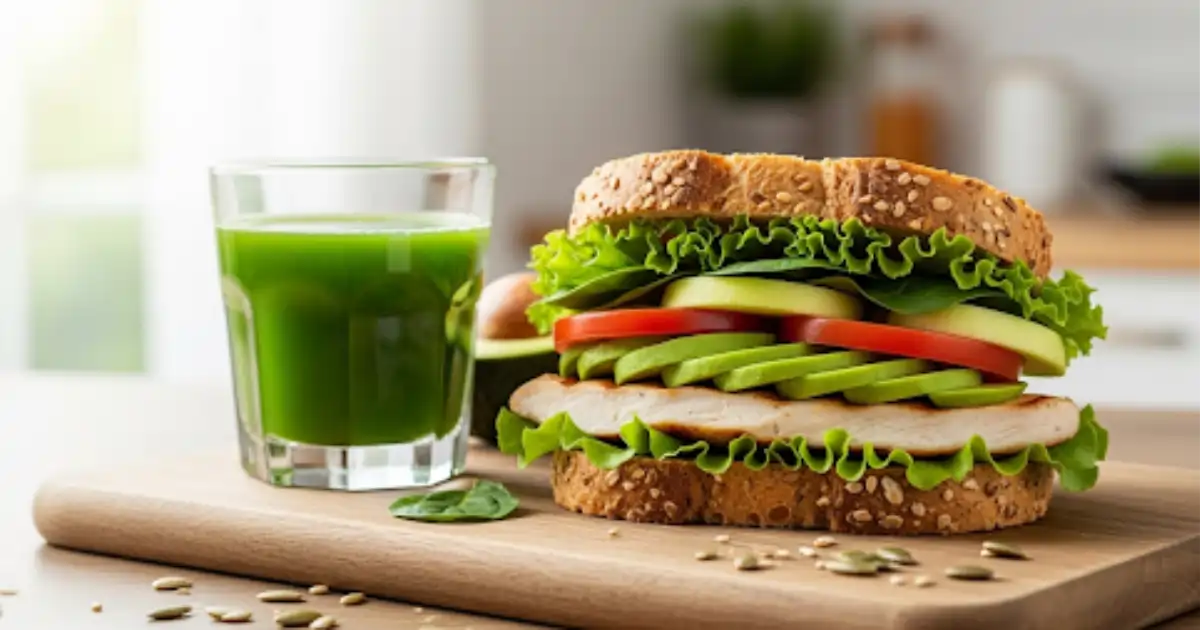
Healthy Snacks
Healthy snacks between meals are important allies in preventing hunger pangs, maintaining energy and concentration, and avoiding overeating at main meals. However, many people still turn to filled cookies, salty snacks, and sodas, which are harmful to health and contribute to weight gain.
Why should you include healthy snacks in your routine?
Hunger and Satiety Control
- Eating every 3 or 4 hours helps keep your metabolism active
- Prevents blood sugar spikes and binge-eating episodes
Improved concentration and productivity
A study by Harvard Medical School suggests that small, balanced snacks help maintain attention and focus while working or studying.
Preventing Bad Choices
Having healthy snacks on hand keeps you from turning to ultra-processed foods throughout the day.
What makes a snack healthy?
A healthy snack is one that provides the body with energy and nutrients in a balanced way, without excessive calories, saturated fat, sugar, or sodium. It should complement main meals, helping to maintain a feeling of fullness and stable blood glucose levels, which is essential for avoiding hunger spikes and impulsive eating decisions. The idea is that a snack should support health and well-being, not just serve as a source of momentary pleasure.
The inclusion of natural and minimally processed foods is one of the key characteristics of a healthy snack. Fresh fruit, cut vegetables, nuts (such as Brazil nuts and walnuts), seeds, plain yogurt, and low-fat cheeses are great options. These foods provide vitamins, minerals, fiber, and antioxidants, which aid digestion, strengthen the immune system, and help maintain a healthy body.
Another important aspect of healthy snacks is the balance of macronutrients: carbohydrates, proteins, and healthy fats. A snack that combines these three elements promotes greater satiety and prevents early hunger. For example, a slice of whole-grain bread with avocado and a hard-boiled egg is an example of a balanced snack, containing complex carbohydrates, protein, and healthy fats.
Portion control for healthy snacks is also essential. Even healthy foods, if consumed in excess, can lead to a caloric imbalance. A handful of nuts, for example, is rich in nutrients but also in calories, so it should be eaten in moderation. Paying attention to portion sizes helps you maintain a healthy diet in a sustainable way without overindulging.
The absence of ultra-processed ingredients—such as artificial colors, artificial flavors, excessive sugar, and hydrogenated fats—is an indication that the snack is more nutritious. Processed snack bars, filled cookies, and potato chips—even though they’re convenient—are generally low in nutrients and high in additives that can be harmful to your health in the long run.
Another important point is tailoring healthy snacks to each person’s lifestyle. Someone with a more active routine may need a more energy-dense snack, while those who work in a sedentary environment may need something lighter. A healthy snack is one that meets individual needs, taking into account factors such as schedules, daily activities, health goals, and dietary preferences.
Hydration can also be part of healthy snacks. Including liquids such as water, coconut water, or unsweetened herbal teas helps keep the body well-hydrated, which is essential for the body to function properly. Sugary drinks, such as soda or artificially flavored juices, should be avoided, as they tend to be high in calories and low in nutrients.
A healthy snack should be enjoyable. A balanced diet doesn’t have to be monotonous or bland. Creating tasty and creative combinations, varying your food choices, and trying new flavors can make snacks more appealing and sustainable in your daily life. The key is to find a balance between nutrition and enjoyment, while respecting personal needs and preferences, such as:
- Convenient (easy to carry and consume)
- Nutritious (source of macronutrients and micronutrients)
- Balanced (protein + fiber + healthy fats)
Examples of ideal components
- Proteins: hard-boiled eggs, plain yogurt, low-fat cheeses
- Fiber and vitamins: fruits, raw vegetables, seed mix
- Good fats: nuts, 100% natural peanut butter
- Complex carbohydrates: whole-grain bread or toast, oats
Healthy and Convenient Snacks for Work and School
Healthy and practical snacks for work and school should combine convenience, taste, and nutritional value. Since time is often limited in these settings and resources are scarce, it’s best to choose options that are easy to transport, don’t require prolonged refrigeration, and can be eaten quickly. In addition, they should focus on healthy ingredients that sustain energy throughout the day without causing blood sugar spikes or drowsiness after eating.
One of the most practical options for healthy snacks is fresh fruit. Apples, bananas, grapes, and pears are easy to carry, don’t need to be refrigerated, and require no preparation. For more variety, you can bring pre-cut fruit in containers with lids—such as watermelon, papaya, or mango—as long as they’re kept in insulated bags or eaten quickly. Another practical and nutritious option is a mix of dried fruits and nuts, which provide quick energy and healthy fats without needing to be refrigerated.
Healthy sandwiches also make great everyday snacks. Made with whole-grain bread, proteins such as shredded chicken, tuna, or eggs, and topped with greens and vegetables, they offer a balanced combination of carbohydrates, fiber, and protein. To maintain the texture and prevent them from getting soggy, it’s best to assemble the sandwich just before you leave or use less watery ingredients, such as grated carrots, well-dried leafy greens, and thick spreads.
Yogurt and cheese are good sources of protein and calcium, making them ideal additions to a snack. However, since they need to be kept cold, they should be transported in insulated bags. A practical idea is to combine plain yogurt with oats and chopped fruit or granola to create a complete, light, and tasty snack. For added convenience, you can prepare the small containers the night before.
Homemade baked goods, such as whole-grain muffins and plain banana or carrot cakes, are good alternatives for those who want variety and flavor without resorting to store-bought items. They can be made in individual portions and frozen for the week, making them easy to enjoy every day. By using whole-grain flours, minimal sugar, and natural ingredients, these baked goods become nutritious and satisfying options.
Salty snacks can also be included in a healthy snack menu, as long as they’re made with good ingredients. Baked vegetable chips, oil-free popcorn, chickpea crackers, or carrot sticks with hummus are examples of crunchy, healthy snacks. The idea is to replace ultra-processed snacks with homemade versions or alternatives that offer better nutritional value.
For those who prefer something even simpler when it comes to making healthy snacks, homemade granola bars or store-bought versions that are low in sugar and made with natural ingredients are great options. They’re light, easy to carry, and provide a convenient source of energy. However, it’s important to read the labels and avoid those with too much glucose syrup, artificial colors, and preservatives.
It’s essential to remember that organization makes all the difference when it comes to healthy snacks. Planning your snacks for the week, dividing foods into individual portions, and investing in practical, reusable containers helps you maintain a balanced eating routine. This way, whether at work or at school, it’s possible to maintain healthy habits, even on the busiest days.
Quick, individual healthy snack options
- Assorted nuts + fresh fruit
- Plain yogurt with granola in a thermal container
- Carrot and cucumber sticks with hummus
- Whole-grain sandwich with shredded chicken
Healthy snacks that keep you feeling full
- Overnight oats with fruit and chia seeds
- Whole-wheat wrap with tuna or scrambled eggs
- Homemade Oatmeal or Banana Muffins
Healthy Snacks for Kids
- Fruit cut into sticks
- Whole-grain mini sandwiches with cheese and tomato
- Low-fat homemade oatmeal cookies
Storage and Transportation Strategies for Healthy Snacks
- Airtight containers for fruit, yogurt, and nuts
- Zip-top bags for dry snacks and individual servings
- Insulated bags to maintain the ideal temperature
- Date labels for organizing the week's snacks
Tip: Prepare snacks for 2 to 3 days at a time to avoid waste and keep them fresh.
Case Study: Lucas, 32, Corporate Routine
Initial scenario
- He went 6 hours without eating between breakfast and lunch
- He bought snacks and soft drinks every day
- He felt tired and less productive
Changes Applied
- He planned snacks for the morning and afternoon
- He put together kits containing a mix of nuts, yogurt, and fruit
- He carried an insulated bag with individual portions
Results in 3 Weeks with Healthy Snacks
- More energy and focus at work
- Reduction in sugar and sodium intake
- Savings of R$ 150 per month on packaged snacks
A Practical Checklist for Healthy Snacks
- Include a source of protein and fiber in every snack
- Use fruits or vegetables as a base
- Prepare and portion out the snacks in advance
- Avoid processed foods high in sugar or sodium
- Store properly in containers or insulated bags
- Vary your choices to keep things interesting and avoid getting bored
Packing healthy snacks for work and school is a simple yet powerful strategy for maintaining energy, focus, and balanced eating habits. With planning and the right choices, you can avoid processed foods, cut down on expenses, and improve your health in a practical way.
See Also
Comments
Loading comments…
See also
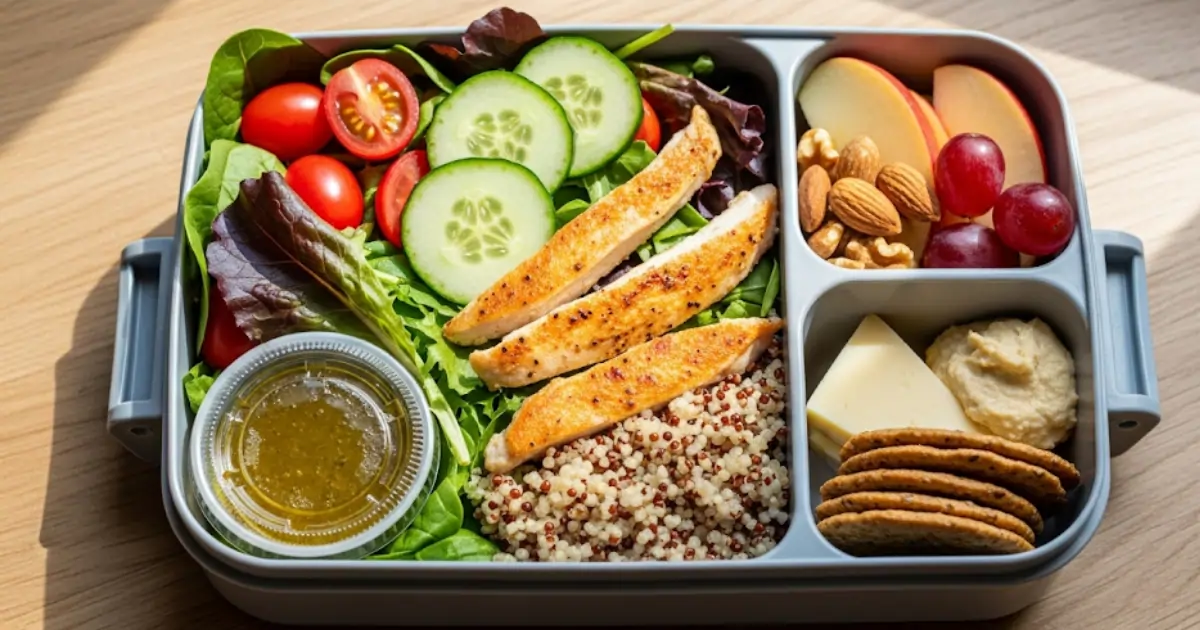 Healthy and Convenient Lunches for Everyday Life | Vida Ideal Blog Shop
 Healthy and Easy-to-Make Recipes | Vida Ideal Blog Shop
 Balanced Diet | Vida Ideal Blog Shop
 10 Daily Habits for Naturally Healthy Skin | Vida Ideal Blog Shop
 Healthy Meal Prep for the Whole Week | Vida Ideal Blog Shop
 Healthy and Nutritious Dinner | Vida Ideal Blog Shop
 Organizing Your Pantry for Healthy Eating | Vida Ideal Blog Shop