Flexible Bedroom: How to Create a Space That Works for Sleeping, Working, and Studying
The bedroom, traditionally a space dedicated to rest, has come to incorporate new functions: office, classroom, workshop, or studio. This transformation, driven by the pandemic and increasing urbanization, has brought challenges, but also opportunities. How can we create a flexible bedroom that promotes restful sleep while also providing a suitable environment for studying or working effectively?
The Growth of Flexible Bedrooms
According to the IBGE, more than 20% of Brazilians work from home at some point during the week. In major cities, the figure is even higher. In addition, the rise in remote learning has increased the need for environments that allow for focus and extended periods of comfort.
Pinterest Predicts 2024 highlighted “dual-purpose spaces” as one of the trends of the year, with searches for “home office in the bedroom” and “study desk in small spaces” on the rise.
Key Challenges and Mistakes When Designing a Flexible Bedroom
Smart Zoning in a Flexible Bedroom
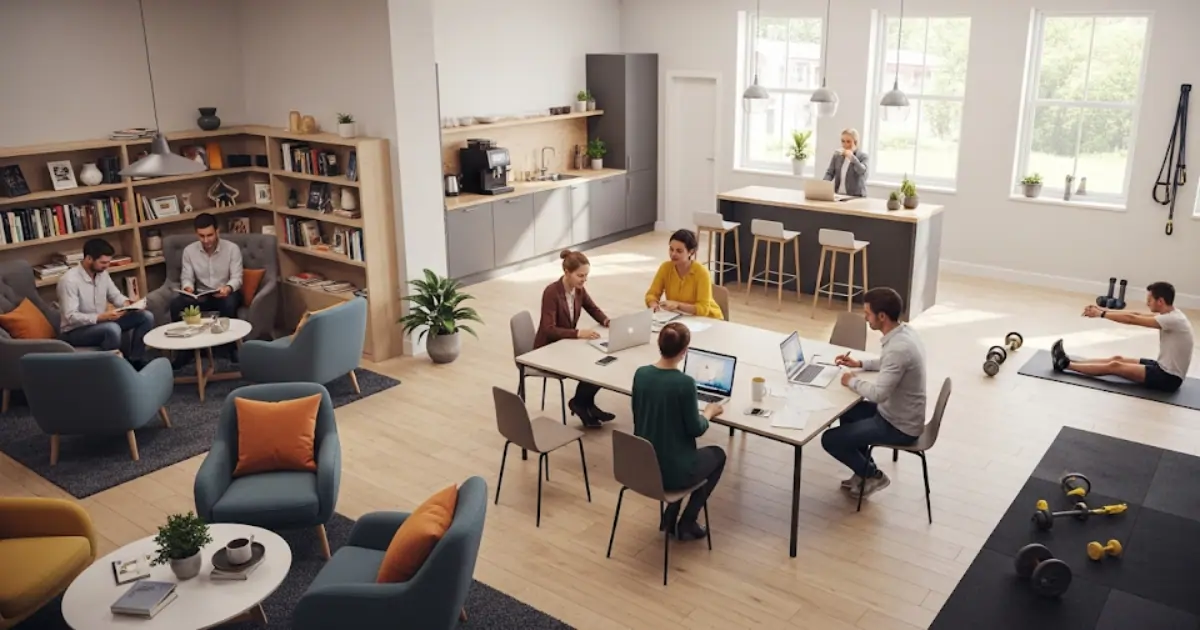
Smart zoning of functional areas in a flexible room is essential for making the most of the space and meeting different needs within a single environment. A flexible room can serve as a bedroom, home office, reading area, exercise space, or even a mini creative studio. To achieve this, you need to plan the zoning carefully, ensuring a seamless flow between functions without visually or functionally overwhelming the space.
The first step is to identify the main activities that will take place in the space. By clearly defining the uses—such as rest, work, and leisure—you can establish distinct areas with furniture appropriate for each function. For example, a fold-away bed or sofa bed can free up space during the day, allowing the room to be used as an office or living room. Choosing multifunctional furniture is a key strategy for adapting the space to suit the occasion.
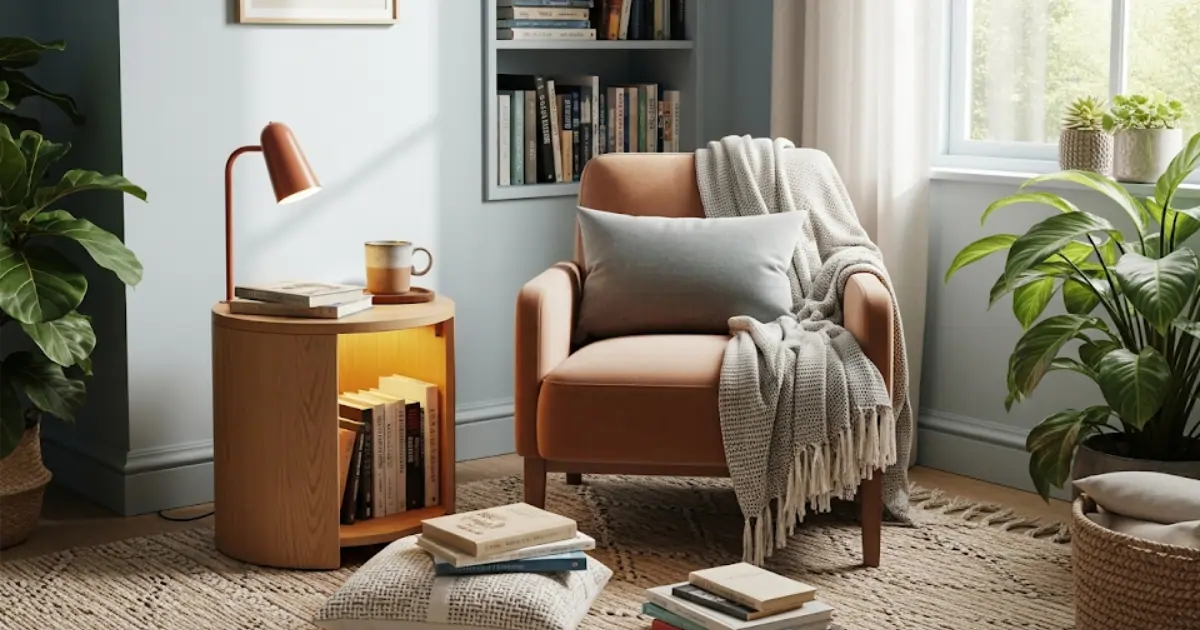
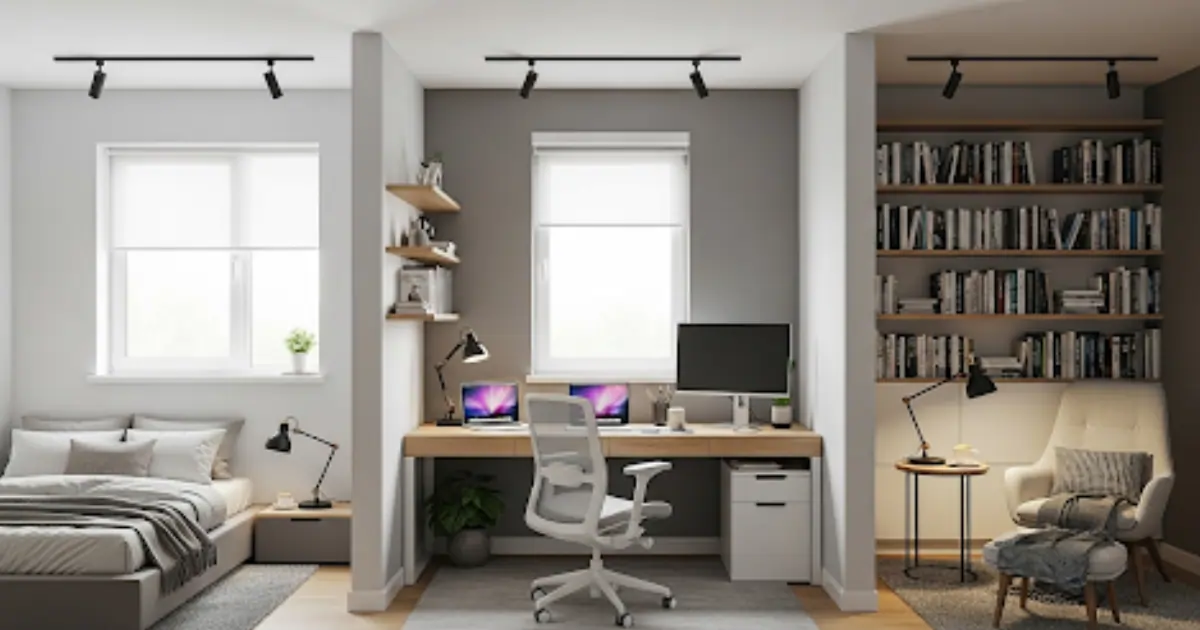
Visually dividing the space without creating physical barriers is an effective strategy for a flexible bedroom. Rugs, directional lighting, and different palettes of soft colors can define specific zones without compromising the sense of spaciousness. A reading nook can be set aside with a comfortable armchair, a floor lamp, and a tall bookcase, while the work area can be organized with a desk and well-spaced shelves.
Lighting plays a central role in zoning. Using direct lighting in the study area and indirect lighting in the relaxation area enhances functionality and comfort. Table lamps, recessed spotlights, and LED strips can help create distinct atmospheres in each zone. In addition, it’s important to ensure natural light enters the space, if possible, to keep the environment pleasant and well-ventilated.
Another important feature is the use of lightweight, versatile room dividers in a flexible bedroom. Screens, curtains, slatted panels, or open shelving can be used to segment spaces without completely closing them off. These structures allow you to rearrange the room’s layout as your needs change, while maintaining a sense of openness and freedom of movement.
Organization is key in this type of space. Investing in vertical storage solutions, such as tall shelves or niches, frees up floor space and keeps the room functional and pleasant. Baskets, storage bins, and rolling dressers help keep each area tidy and make it easy to move items around as the space’s use changes.
It’s also worth considering a flexible layout. Furniture with casters, folding tables, and stackable chairs can be easily moved or stored away when not in use. This makes the room dynamic and able to quickly adapt to new activities, such as entertaining guests, exercising, or simply relaxing with more space.
Customizing each area of the flexible bedroom contributes to the space’s sense of well-being and identity. Paintings, throw pillows, plants, and decorative objects help create a cohesive visual narrative, even when multiple functions coexist. The balance between aesthetics and practicality transforms the flexible bedroom into a truly versatile and functional retreat.
A. Zone 1: Sleeping
- Comfortable mattress, breathable sheets
- Upholstered headboard for sound insulation
- Blackout curtains for light control
- Aroma diffuser, reading lamp, and lightweight blanket
B. Zone 2: Work or Study
- Desk 80–120 cm wide
- Ergonomic chair (lumbar support, adjustable height)
- Task lamp with an adjustable arm
- Task board or wall planner
C. Visual Separation
- Rugs that define different areas
- Lightweight curtains or open shelving
- Changing color schemes (e.g., warm tones for work, cool tones for sleeping)
Multifunctional furniture and accessories for a flexible bedroom
A. Beds with drawers or storage compartments
- They store bedding, books, and documents
- They eliminate the need for an extra wardrobe
B. Folding or wall-mounted desk
- Ideal for small spaces
- It can be built into the wall or a closet
C. Open shelving or movable partitions
- A subtle separation between the bed and the workspace
- Allows for ventilation and lets in light
D. Niches and Vertical Shelves
- They make the most of wall space
- They make it easier to stay organized without taking up floor space
Lighting, colors, and acoustics: the golden trio of the flexible bedroom
Lighting, colors, and acoustics form a true golden trio when the goal is to create comfortable, functional, and emotionally balanced environments. When combined effectively, these three elements not only enhance a space’s aesthetics but also directly influence people’s well-being and productivity. Each element works in a complementary way, helping to transform any environment into a more welcoming, efficient, and harmonious place.
Lighting sets the mood of a space. Warm lights tend to create a more relaxing and intimate atmosphere, ideal for bedrooms and living rooms, while cool lights promote concentration and are better suited for offices or kitchens. The presence of natural light is also an important factor, as it not only saves energy but also improves mood and supports the circadian rhythm. The combination of general lighting, task lighting, and accent lighting allows for multiple functions within a single space.
Colors profoundly influence people’s perception of their surroundings and their emotional state. Light shades visually expand a space and convey a sense of lightness, while darker colors create depth and a feeling of coziness. Vibrant colors can be energizing, but they need to be balanced to avoid causing eye strain. Using color psychology to enhance a space means considering the feelings you want to evoke: tranquility, focus, creativity, or a sense of welcome.
Acoustics, on the other hand, are often overlooked, but they are essential for sound comfort and peace of mind in a flexible bedroom. A space with echoes or excessive noise tends to cause fatigue and discomfort, especially in work or rest areas. Sound-absorbing materials, such as curtains, rugs, and fabric or wood panels, help control sound reverberation. In multifunctional spaces, attention to acoustics also prevents interference between different activities, such as studying and relaxing.
When you consider these three elements together, you can create harmonious arrangements in a flexible bedroom. For example, a reading area can use both diffused and task lighting, soft tones, and materials that dampen outside sounds, creating an ideal setting for concentration. On the other hand, a shared living area can feature brighter lighting, warm colors, and acoustic solutions that minimize the impact of conversations in the space.
The key to a flexible bedroom lies in balance. A room that’s very well-lit but has colors that are too cool and echoes can feel impersonal. On the other hand, a space with warm tones but inadequate lighting and poor acoustics may be visually pleasing but not very functional. Every detail must complement the others, while respecting the intended use and identity of the space.
It’s also important to consider flexibility. With features such as dimmable lighting, blackout curtains, or neutral color palettes that accommodate decorative variations, the space can adapt to different times of the day and changes in residents’ routines. This makes the “golden trio” even more powerful, as it adapts to meet specific needs.
Investing in well-planned lighting, a cohesive color palette, and acoustic control does not require major renovations or high costs. Often, simple, strategic adjustments are enough to completely transform the experience of a space. When applied effectively, these three elements ensure not only beauty but also lasting comfort and functionality.
A. Lighting
- Cool white light (6500K) for workspaces
- Warm light (2700–3000K) for relaxation
- Lamps with dimmers or voice control for switching between functions
B. Colors
C. Acoustics
- Rugs, thick curtains, homemade acoustic panels
- Noise-canceling headphones for calls or focus
Case Study: Felipe, 32, remote designer
Profile
He lives in a 35-square-meter apartment with his wife, needs to work in the bedroom, and tries not to let it interfere with his sleep.
Solutions Implemented
- 1-meter folding desk attached to the wardrobe
- Ergonomic chair with quiet casters
- Open shelving unit to separate the bed from the workspace
- App-Controlled Adjustable LED Lighting
- Sisal rug to define a focus area
- Noise-canceling headphones
- Lavender aroma diffuser to help him signal the end of the workday
Results
- Increased focus and productivity during business hours
- Fewer complaints of insomnia
- A more organized and adaptable environment
How to Maintain Functionality in Everyday Life
A. Weekly checklists
- Pick up loose items from the desk
- Go through the bed drawers and free up some space
- Change or wash textile items (rugs, sheets, pillows)
B. Seasonal Adjustments
- In summer: quiet fans or air coolers
- In winter: blankets, warm and cozy lighting
C. Monthly Reviews
- Adjust the chair's ergonomics
- Review actual lighting usage
- Assess whether zones remain efficient
A flexible bedroom is more than just a trend: It’s a real solution for those seeking comfort, productivity, and well-being all in one space. The key lies in functional organization, choosing the right furniture, smart lighting, and soft visual boundaries. With careful planning, you can create a cozy space for sleeping that’s also efficient for focusing—all without sacrificing style or peace of mind.
Related articles
Comments
Loading comments…