Use Vertical Space to Organize in Style
Do you feel as though you are running out of room, but do not want to—or cannot—renovate? Have you ever looked at your walls and thought, “This space is underused”? If so, you need to explore vertical space. Shelves, shelving units, and wall niches are more than accessories: they are solutions that turn walls into useful, functional, stylish areas. Learn how to use these elements to:
- Gain space even in small homes
- Organize your belongings more effectively
- Beautify the room without making it feel heavy
- Divide areas of the home and office creatively
Why explore vertical space?
Using vertical space is a smart strategy, especially in compact rooms. Walls, high shelves, suspended supports, and floor-to-ceiling cabinets can multiply storage capacity without taking up floor space. This is essential in small apartments, streamlined kitchens, or home offices, where every inch counts. Taking advantage of a room's height keeps the floor clear, improving circulation and creating a greater sense of spaciousness.
Beyond functionality, vertical space also improves organization. Everyday objects can remain visible and accessible, while less frequently used items are stored higher up. This reduces clutter and makes it easier to find what you need. Vertical shelves, niches, and hooks help categorize items and streamline routines.
Another important benefit is its aesthetic potential. Drawing the eye to different heights adds visual depth and sophistication to a room. You can create decorative arrangements with hanging plants, artwork, pendant lights, or styled shelves, making the space more dynamic and personal. This vertical approach also highlights selected elements and creates interesting focal points in the décor.
Using vertical space is a sustainable, economical solution. Instead of investing in renovations to enlarge a room or buying bigger furniture, you can simply reorganize what you already have more intelligently. With creativity and a few functional accessories, any room can be transformed to unite practicality, style, and everyday well-being.
A. Key benefits
Differences between shelving units, shelves, and wall niches
How to plan the use of vertical space
A. Assess the room
- Where are the “forgotten walls”?
- Are there electrical outlets, plumbing, or window and door frames nearby?
- Will circulation be obstructed?
B. Define the purpose
- Organization or decoration?
- Storage for frequent or occasional access?
- Support for heavy or lightweight objects?
Practical tip: apply painter's tape to the wall to outline the space before installation.
C. Measure and center visually
- Ideal height: between 1.40 m and 1.70 m above the floor for frequently accessed areas
- Above doors, backrests, or headboards: an excellent area for occasional-use storage
Creative solutions for each room
A. Living room
- Long shelves above the sofa for artwork, books, or indirect lighting
- Asymmetrical wall niches for contemporary décor
- Open-back shelving units to divide open-plan spaces (e.g., living room/kitchen)
B. Kitchen
- Shelves with built-in hooks for mugs, utensils, and spices
- A corner shelving unit or shelf above the refrigerator for small appliances
- Slim metal rails with hanging containers for small items
C. Office / home office
- Modular shelving units with labeled boxes and files
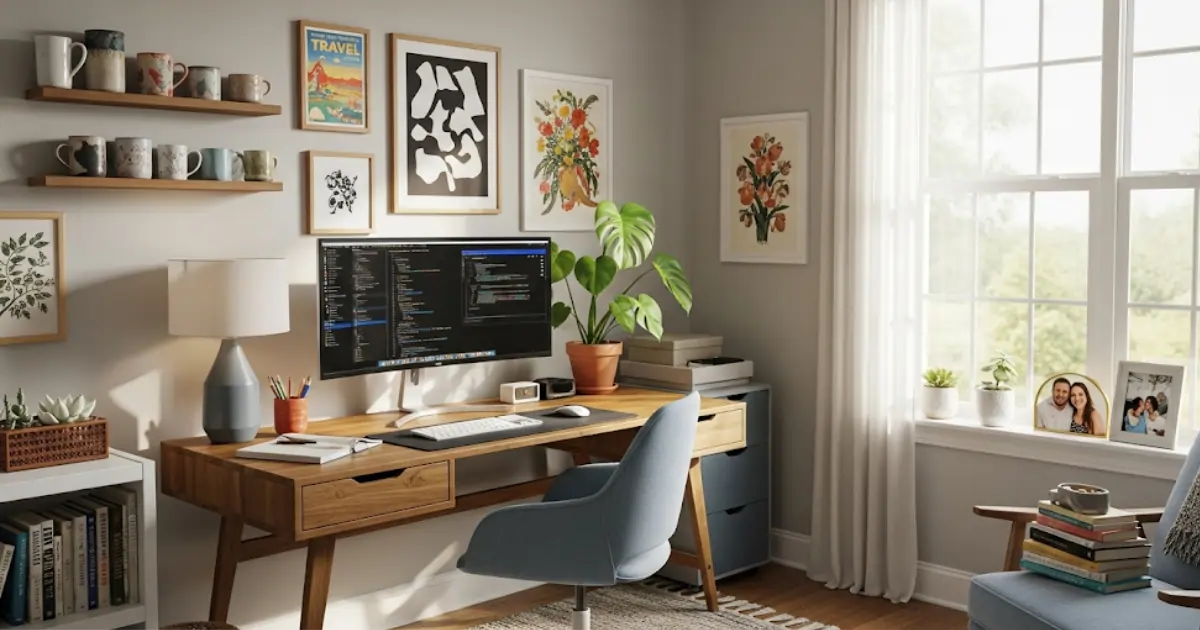
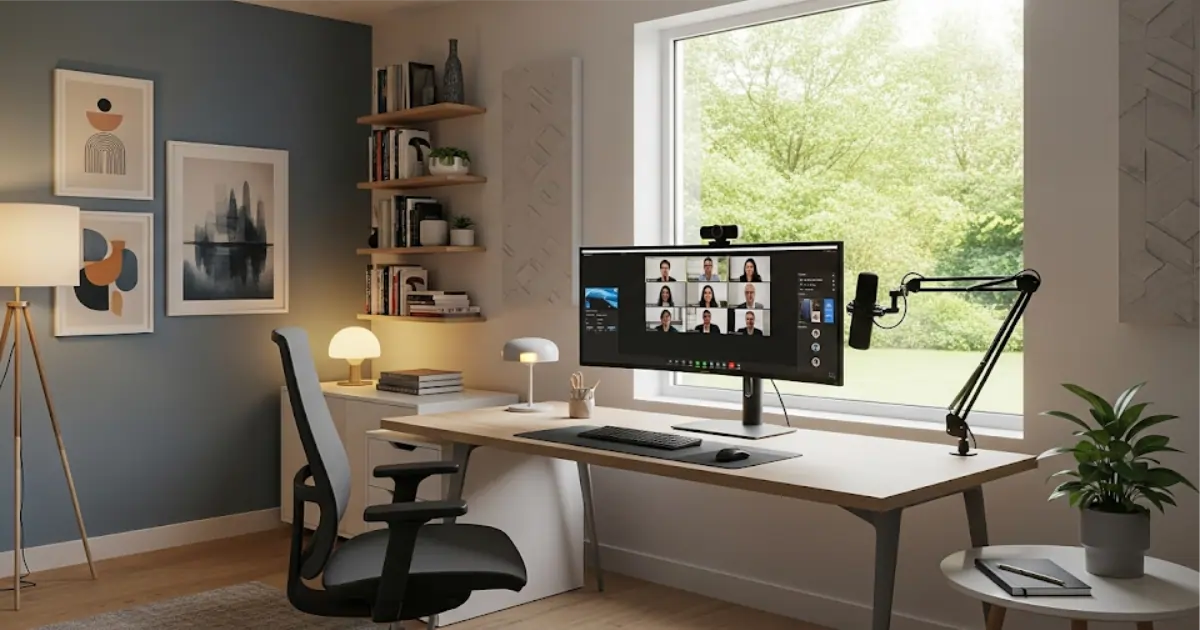
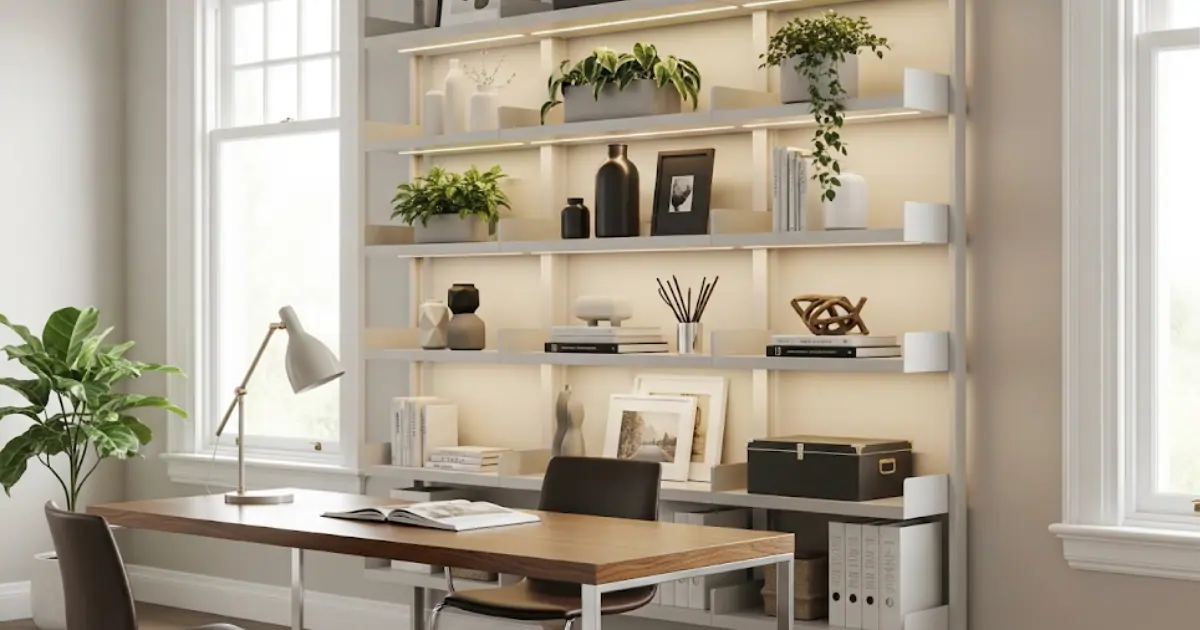
- Shelves above the desk for books and inspiring decorative items
- Small support niches for occasionally used items (chargers, cables, and adapters)
D. Bedroom
- Floating shelves as minimalist nightstands
- Wall niches above the headboard with built-in lighting
- A slim vertical shelving unit beside the wardrobe for books and accessories
E. Bathroom
- Wall niches built into the shower area with a waterproof finish
- Shelves above the toilet for toilet paper, towels, and fragrances
- Small, narrow shelving units beside the mirror
F. Laundry room
- Open shelving units with baskets for cleaning products
- Wall niches above the washing machine
- High shelves with labels for occasional-use items
Materials and finishes: how to choose
Visual and aesthetic organization of vertical space
The visual and aesthetic organization of a room's vertical space goes far beyond appearance: it directly affects functionality and the well-being of those who use it. A visually organized space conveys calm and clarity while making everyday tasks easier. When every item has a defined place and colors, shapes, and arrangements are harmonious, the mind tends to focus more easily, reducing distractions and visual stress.
The aesthetics of vertical space also play an important role in motivation and a sense of belonging. A room that reflects your personal style through thoughtful choices of décor and arrangement becomes more welcoming and stimulating. This applies to homes and offices alike, since beauty and visual balance can have a positive effect on mood and productivity.
To organize vertical space aesthetically, it is essential to consider criteria such as symmetry, proportion, repetition, and alignment. These elements create a natural sense of visual order. Intelligent use of colors and materials—including storage boxes, baskets, shelves, and cleanly designed furniture—also helps keep the room cohesive and visually pleasing without compromising functionality.
Visual organization does not mean rigidity or perfection, but finding a balance between practicality and beauty. A well-arranged, aesthetically harmonious vertical space conveys care, simplifies routines, and improves quality of life. By approaching aesthetics with intention, we create rooms that welcome and inspire us every day.
- Use matching boxes to create visual unity
- Match shelf colors to the room's palette
- Alternate books with decorative objects
- Do not overcrowd the shelves: “visual breathing room” is part of the design
- Built-in lighting (LED strips) enhances wall niches and shelving units
Case study: Vanessa, 29, works from home in a 45 m² apartment
Problem: the living room had little space for books, plants, and office supplies. Her desk was always cluttered.
Solutions implemented:
- Installed 3 shelves above the desk using concealed brackets
- Added L-shaped wall niches above the sofa with internal lighting
- Added an open-back shelving unit between the living room and kitchen for books and barware
- Standardized labeled storage boxes
Result:
- The work surface was completely cleared
- The room felt as though it could “breathe,” even with more objects
- Greater aesthetic appeal and a stronger sense of spaciousness
How to install everything safely (without the drama!)
- Use a laser level for precise marking
- Choose wall anchors and screws suited to the type of wall
- Avoid very wide shelves without a center support
- In damp areas, protect screws with thread seal tape or silicone
- Hire a professional or follow a reliable tutorial if you lack experience
Tips for keeping things organized with ease
- Review the items on your shelves every month
- Do not keep objects simply out of habit—consider their actual purpose
- Clean every two weeks with a dry or slightly damp cloth
- Use visible labels on closed niches or boxes
- Watch out for rarely used objects that collect dust
A well-used wall can change everything
The vertical space you are looking for is on your walls. With well-placed shelves, wall niches, and shelving units, you can gain useful space, organize your belongings more effectively, and make the room more attractive and personal. Functionality, beauty, and lightness can fit even on the narrowest wall in your home.
See Also
Comments
Loading comments…