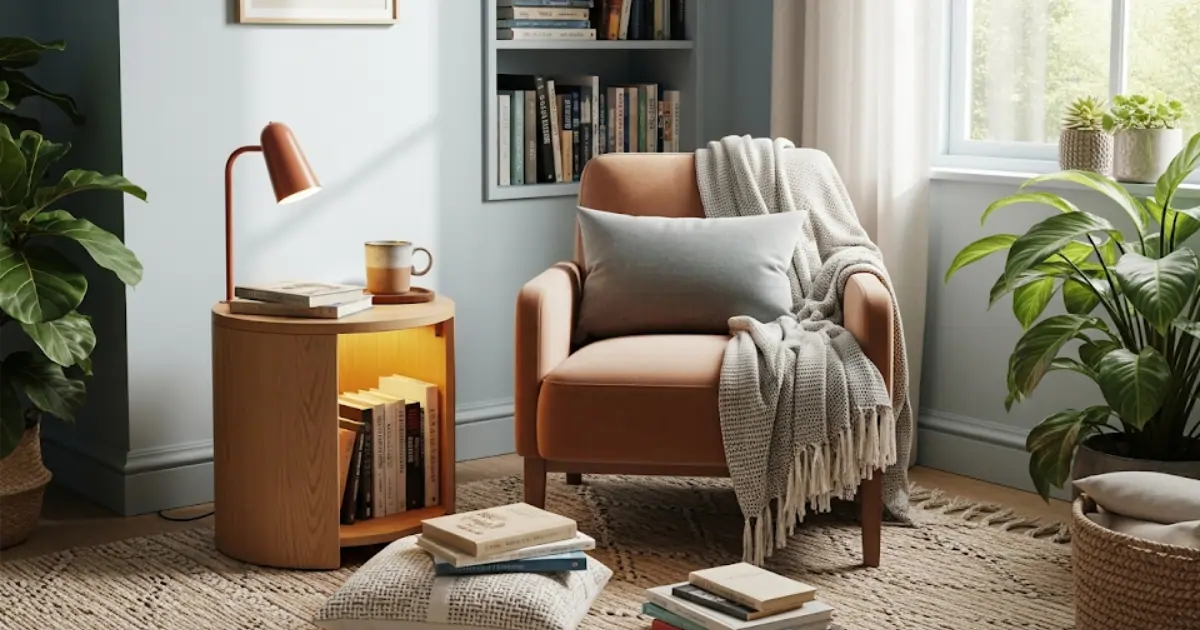
Reading and Relaxation Nook
In the hustle and bustle of modern life, having a place to breathe, read a good book, or simply do nothing has become a true luxury—and a necessity. But what if you live in a small space with no spare rooms? Or what if your home is always full of people and you don’t have a “refuge”? The answer lies in the details: a well-planned reading and relaxation nook can fit into just one square meter.
In this article, you'll learn how to:
- Identify the best location for setting up your space
- Choose furniture and accessories that combine style and comfort
- Make the most of unused spaces in your home without spending much
- Create an environment that promotes rest, even in the midst of a hectic routine
Why create a reading and relaxation nook?
Practical and emotional benefits:
“Having a space of your own is an act of self-care and reconnection.”— Thich Nhat Hanh
Where should you create your reading and relaxation nook?
Creating a reading and relaxation nook at home doesn’t require a lot of space, but rather a spot that feels welcoming and peaceful. The first step is to identify areas of the house that get plenty of natural light, such as near windows or balconies. These spots usually provide a more pleasant atmosphere for reading and feel more connected to the outdoors, which helps you relax. Even a corner of a room can be transformed with a little creativity.
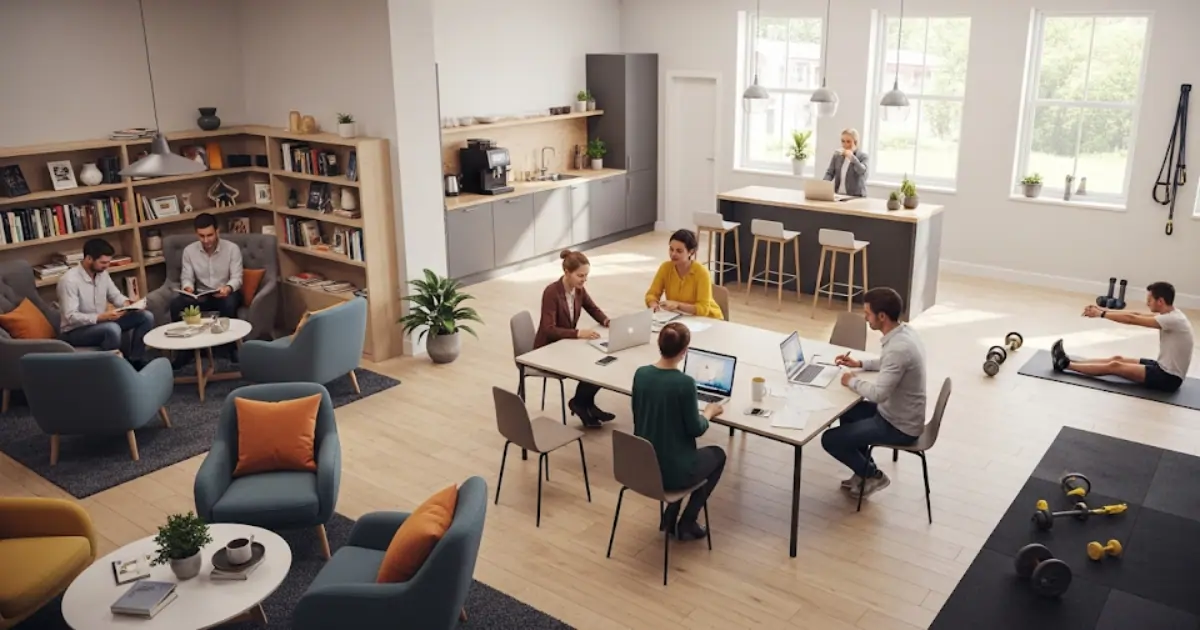
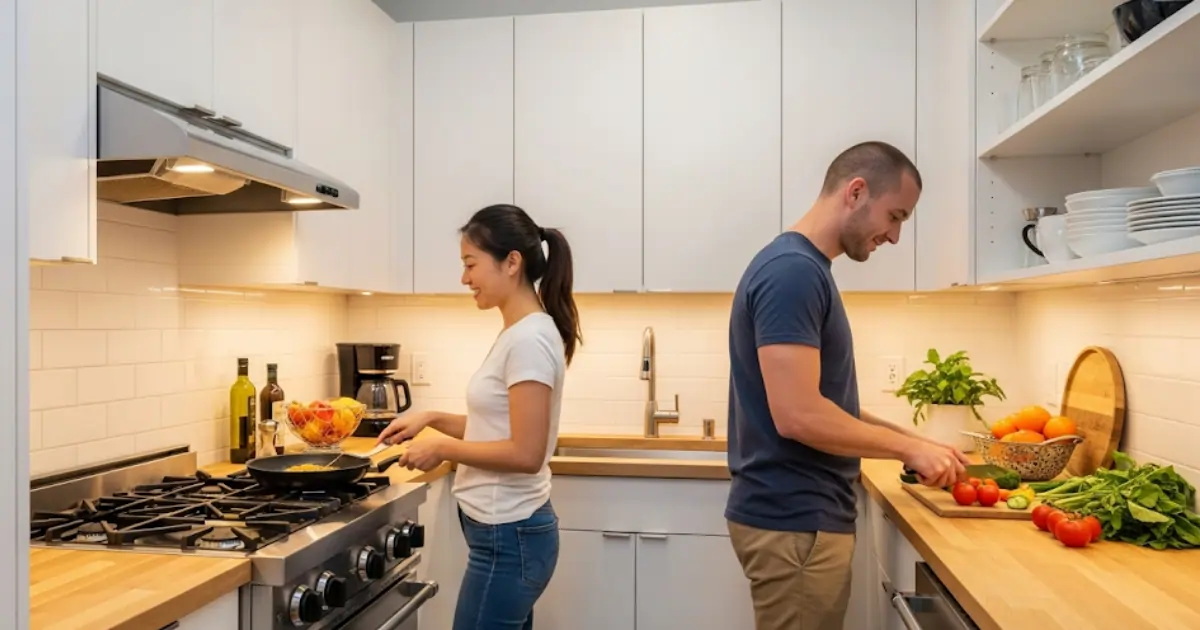
Living rooms, bedrooms, or offices are popular choices for this type of reading and relaxation nook, especially if they’re already quiet spaces with little foot traffic. If your goal is also to disconnect from everyday distractions, opt for areas less associated with work or household routines, such as laundry rooms or kitchens. A space that doesn’t have a defined function in the home can be ideal for repurposing with comfort and personality.
Balconies and gardens are also great places to set up a reading nook, especially for those who appreciate being close to nature. In these settings, you can explore the use of hammocks, rocking chairs, or armchairs with comfortable cushions. Surrounding plants, soft lighting, and a rug help create a welcoming setting that’s conducive to concentration. The breeze and natural sounds also contribute to a more sensory experience.
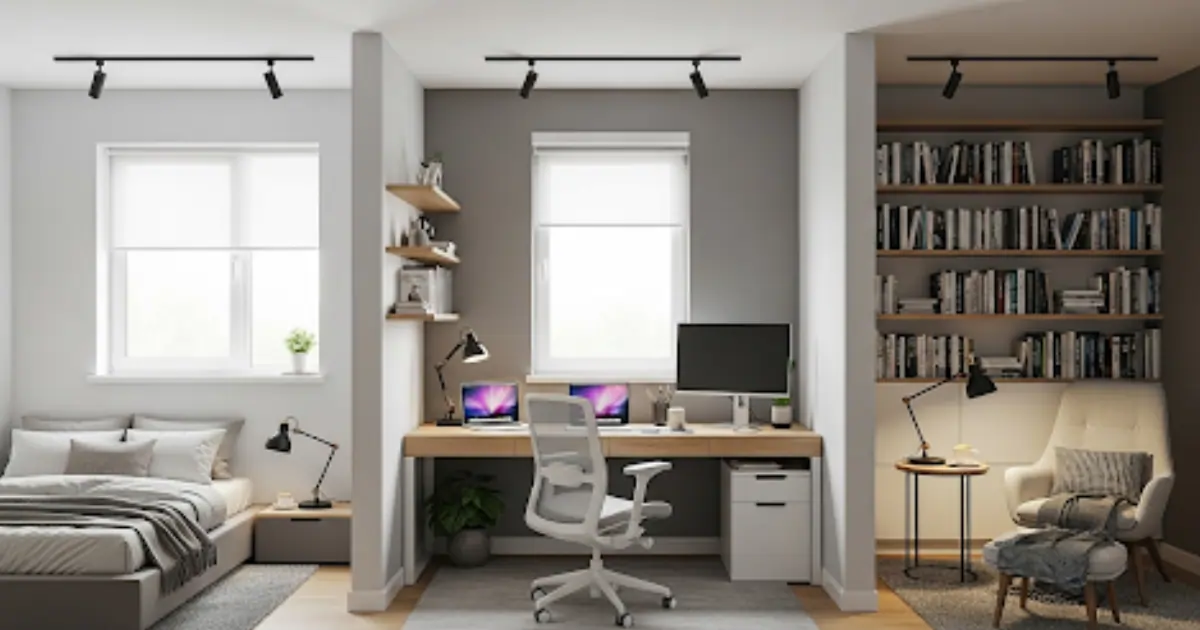
If your home is small, it’s worth adapting unusual spaces, such as a nook under the stairs, a forgotten corner, or even part of the hallway. The key is to make this space functional and cozy, even if it’s compact. Investing in multifunctional furniture and vertical solutions—such as bookshelves or wall sconces—can make all the difference in small spaces.
Another important factor is to consider how quiet and private your chosen space is. A good reading nook should be free from constant interruptions and, preferably, somewhat separated from the rest of the house. Using screens, curtains, or room dividers can be a simple way to create this symbolic barrier between the outside world and your moment of respite.
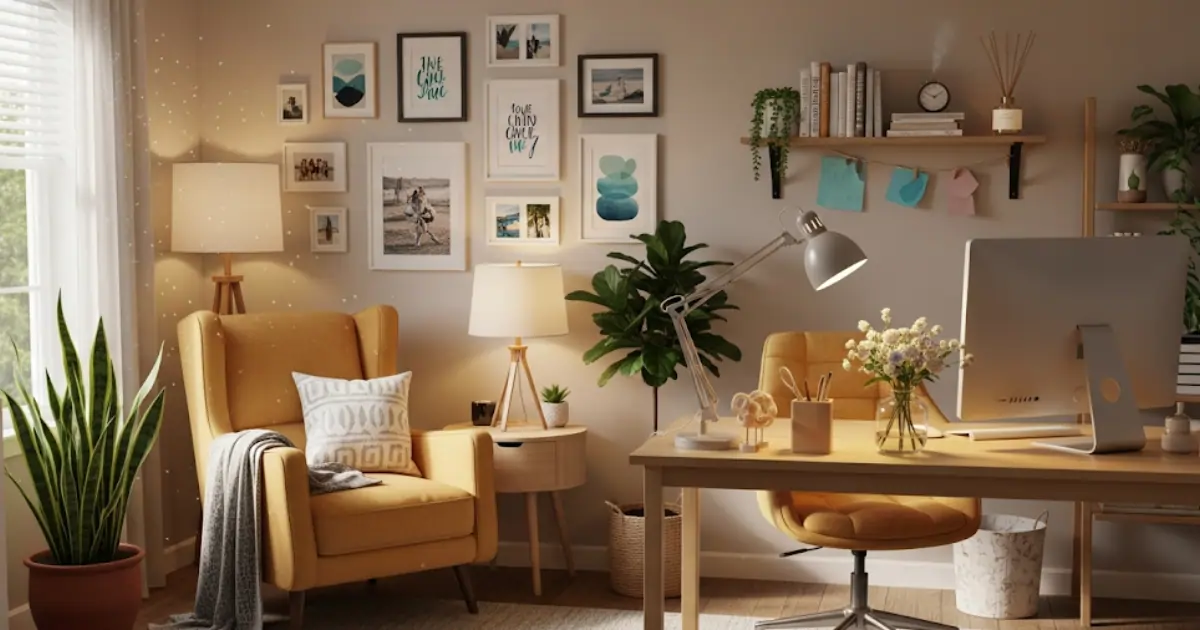
Personalize the space with items that convey calm and joy: scented candles, blankets, inspiring artwork, a small table with tea or coffee, and more. The goal is for your reading and relaxation corner to be an invitation to slow down. More than just a physical space, it becomes an emotional refuge that encourages self-care, the pleasure of reading, and mental rest.
A. Alternative locations for a reading and relaxation nook:
Ideal furniture and accessories for comfort
A. Essential furniture:
- Comfortable armchair or futon
- Ottoman or footstool
- Side table or storage basket
- Low bookshelf or book rack
- Soft rug to define the space
B. Soft lighting:
- Warm yellow light for relaxation
- Floor or table lamp with a fabric shade
- Scented candles or string lights with a timer
C. Meaningful accessories:
- Blankets, pillows, and cozy fabrics
- Books, plants, photos, and personal items
- Incense, essential oils, or diffusers
How to create a reading and relaxation nook in a small space
A. Strategies for making smart use of space:
- Use floating shelves next to chairs
- Choose smaller armchairs or benches with cushions
- Define the space with a round rug, even if it's just 1 m²
- Create visual dividers with tall plants or open shelving
- Invest in floor cushions if the space is very limited
B. Solutions for open-plan spaces:
- Create contrast with color on the wall (e.g., paint half the wall)
- Use lighting that's different from the rest of the room
- Hang pictures or inspirational quotes vertically
Color palette and sensations
The choice of color palette has a direct impact on the feelings a space conveys. Colors aren’t just decorative elements; they also evoke emotions and influence our well-being. Therefore, when thinking about the design of a space—such as a reading and relaxation nook, a bedroom, or a home office—it’s essential to consider what kind of atmosphere you want to create: welcoming, stimulating, light, serene, or vibrant.
Neutral colors, such as white, beige, gray, and earth tones, tend to convey calm, simplicity, and sophistication. They are ideal for spaces designed for rest or contemplation, as they do not cause visual overload and help create a solid foundation for any style. These shades also make it easy to pair them with other more vibrant colors or striking decorative elements, such as throw pillows, artwork, or plants.
Pastel shades, such as light blue, mint green, lavender, and dusty pink, bring a sense of lightness and delicacy and are often used to create peaceful and inviting spaces. These colors soften the atmosphere and evoke feelings of emotional comfort, making them ideal for bedrooms, relaxation nooks, or areas where you seek inspiration and serenity. They create a welcoming atmosphere without straining the eyes.
On the other hand, vibrant colors such as yellow, orange, red, or turquoise can be used to stimulate creativity, energy, and focus. However, they should be used sparingly in relaxation areas, as they tend to create intense visual stimuli. A good alternative is to use them in strategic places—such as an accent wall, throw pillows, or decorative objects—to add personality without overwhelming the space.
Dark shades, such as navy blue, moss green, or burgundy, can add coziness and sophistication when used in moderation. They’re great for creating more introspective or welcoming spaces, especially when paired with warm textures like wood, plush fabrics, or soft lighting. That said, it’s important to ensure the space has good lighting so it doesn’t feel too closed in or gloomy.
The ideal color palette depends on the emotional purpose of the space. By understanding color psychology and its sensory associations, it is possible to create environments that are not only visually pleasing but also support physical and emotional well-being. More than just a trend, color is a tool for connecting space, function, and emotion:
Tip: Combine up to 3 colors and vary the materials (linen, wood, ceramic, fabric)
Case study: Gabriel, 34, lives with his 2 children and works from home
Problem: a hectic schedule, with no personal space. He felt exhausted at the end of the day and couldn't relax at home.
Solutions implemented:
- He made use of the corner of the room next to the window
- He used a small armchair, a basket with a blanket, and his 3 favorite books
- He established a “break ritual” after work (15 minutes of silence)
- He added plants and a floor lamp with a dimmer switch
Results after 2 weeks:
- He was more focused during the day
- He slept better and enjoyed higher-quality sleep
- He became a role model for his children in self-care and reading
How to Keep Your Reading and Relaxation Nook Functional and Beautiful
- Do not let items unrelated to the space accumulate (e.g., a backpack or papers)
- Reorganize the items once a week
- Change the book of the week to encourage variety
- Wipe it down with a dry or slightly damp cloth every 5 days
- Change the cushions or blankets to suit the season (for thermal comfort and a fresh look)
A Ritual for Your Reading and Relaxation Corner: What to Do
- Reading without a goal (no pressure, just for fun)
- 10 minutes of guided meditation or mindfulness
- Personal journal for free writing
- Gentle stretching with background music
- Listen to a podcast or inspiring audio
“You don’t need much time. You need intention.” — Excerpt from a quote adapted from Brené Brown
The best spot in the house can fit into one square meter
You don't need a new room. You need a space with a purpose. Creating a reading and relaxation nook is more than just decor—it’s a way to reaffirm that you deserve to pause, breathe, and reconnect. Even in small spaces, it’s possible to create beauty, mindful presence, and rest. And that transforms your entire home—and your energy.
See Also
Comments
Loading comments…