Avoiding Food Waste at Home
Food waste at home is more common than people realize. Items forgotten in the refrigerator, overripe fruit, vegetables that go moldy in the crisper, or leftovers that are never reused are part of daily life for millions of families. In addition to the financial impact, food waste causes severe environmental damage, as 1/3 of all food produced worldwide is wasted (FAO, 2023). This amount would be enough to feed 2 billion people. Furthermore, waste generation, water and energy consumption, and greenhouse gas emissions increase dramatically.
Main Causes of Food Waste at Home
Food waste at home is a recurring problem that directly impacts consumers’ wallets and the environment. One of the main causes is poor shopping planning. Many people go to the grocery store without a specific list, buy on impulse or in excess, and end up bringing home more than they can consume before the products expire.
Another major cause of food waste is improper storage. Food that is stored improperly tends to spoil more quickly. Fruits and vegetables, for example, should be stored correctly according to their specific characteristics, and products that require refrigeration should be kept at the proper temperature. A lack of organization in the refrigerator also contributes to items being forgotten or stored improperly.
Failure to pay attention to expiration dates also leads to a great deal of food waste. Many people stop eating food that is close to its expiration date out of fear, a lack of information, or because they don’t notice it in their pantry. In addition, there is confusion between the terms “expiration date” and “best before,” leading to the disposal of products that are still safe to eat.
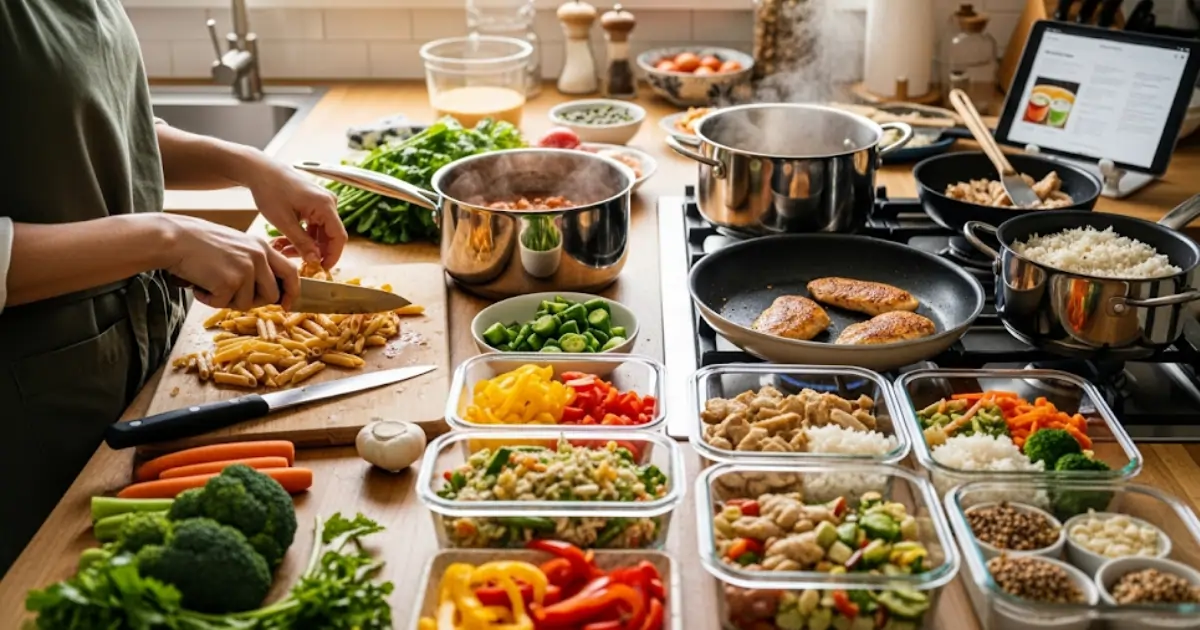
Preparing more food than is needed is another significant factor. Cooking large portions without planning how to use them later leads to the disposal of leftovers. In many cases, these leftovers aren’t even stored properly or end up being forgotten in the refrigerator for long periods of time.
Misjudging the appearance or smell of food also leads to food waste. Many people throw away food that is still good simply because it has changed slightly in color, texture, or smell, without checking whether it is still safe to eat. This happens mainly with fruits, vegetables, bread, and dairy products.
Another issue is the lack of creativity or knowledge needed to repurpose food. Peels, stalks, leaves, and leftovers could be turned into new dishes, broths, or side dishes, but they are thrown away simply because people aren’t used to doing so or lack practical ideas.
A hectic routine and a lack of time contribute to neglecting what has already been purchased. Items are left forgotten on the shelves, prepared meals are replaced by takeout or quick snacks, and as a result, many foods end up expiring or spoiling without ever being used.
Cultural and behavioral habits also contribute to food waste. The idea that the table must always be lavishly set, the disdain for food that looks “imperfect,” and the lack of appreciation for making full use of ingredients reinforce a cycle of consumption and disposal that could be avoided with greater awareness and small changes in everyday behavior, such as avoiding:
- Excessive and impulse buying
- Lack of weekly planning
- Clutter in the Refrigerator and Pantry
- Lack of knowledge about the actual shelf life of food
- Lack of preparation for using leftovers
Conscious Planning and Shopping
Create a simple weekly menu
Plan your meals for the week based on what you already have at home. This prevents unnecessary shopping and allows you to use up perishable ingredients.
Create smart shopping lists
- Avoid going to the grocery store when you're hungry
- Sort the list by category (fruits, vegetables, grains, etc.)
- Choose seasonal produce, which is fresher and lasts longer
Buy in bulk whenever possible
This reduces packaging and allows you to buy only the amount you need.
Storage that extends shelf life
Storing food properly is one of the most effective ways to extend its shelf life and prevent food waste. Each type of food has specific characteristics that require different care. Understanding these characteristics is the first step in ensuring that foods stay fresh longer, without compromising flavor, texture, or nutritional value.
The refrigerator is a great ally, but it needs to be used strategically. It’s important to organize food according to temperature zones: perishable items, such as meat and dairy products, should be stored on the coldest shelves; fruits and vegetables should go in the designated drawers, which regulate humidity. Properly wrapping items and using airtight containers also prevents cross-contamination and loss of quality.
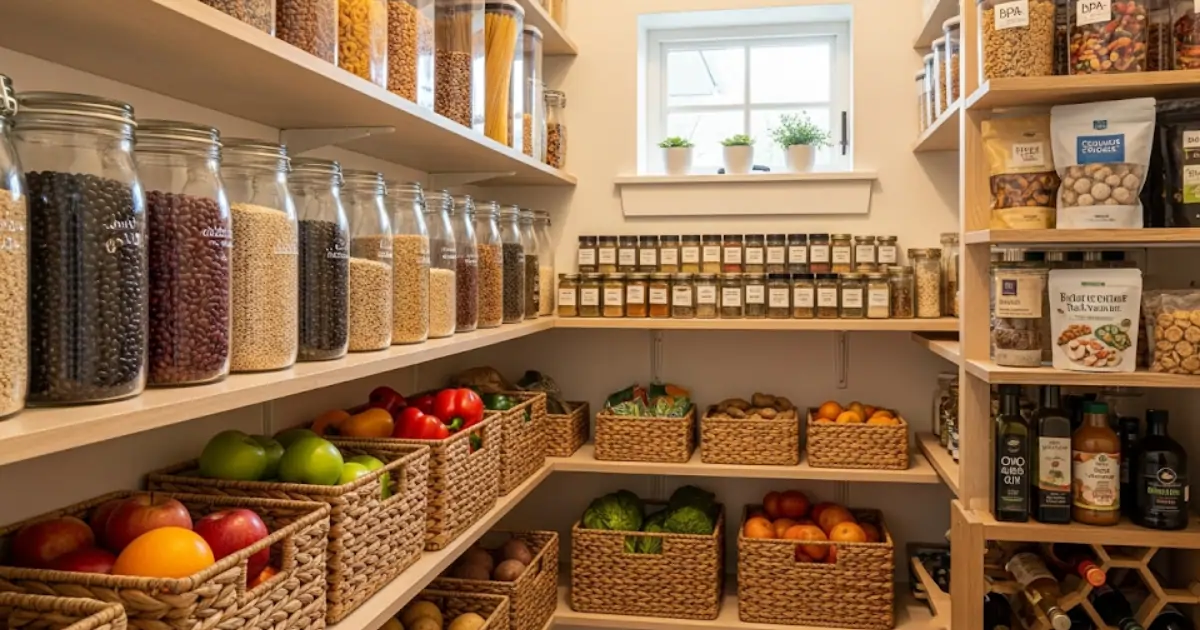
The pantry also requires attention. It should be cool, dry, well-ventilated, and away from direct light. Grains, flours, pasta, and canned goods should be stored in sealed containers, preferably made of glass or BPA-free plastic. In addition, keeping food off the floor and separating opened items from unopened ones helps preserve the ingredients better and makes it easier to see what’s available.
When it comes to fruits and vegetables, it’s best to know which ones should be refrigerated and which ones can be kept out of the refrigerator. Apples, carrots, and grapes, for example, last longer when refrigerated, while bananas, potatoes, and tomatoes ripen better at room temperature. Leafy greens, on the other hand, can be washed, dried, and stored in containers lined with paper towels to extend their shelf life.
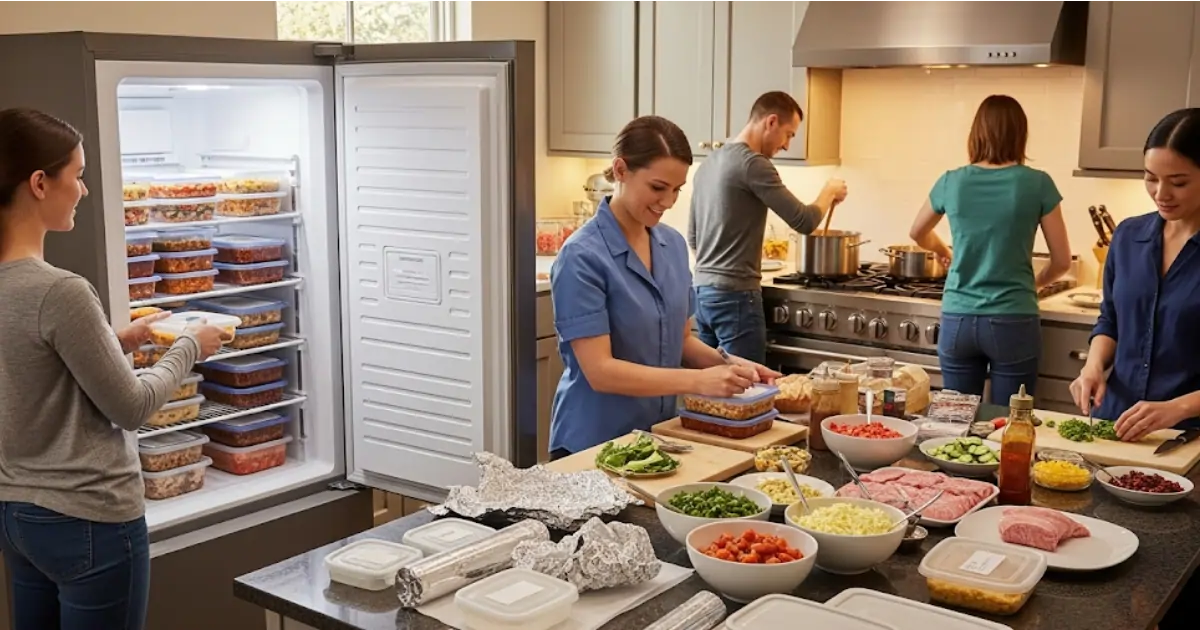
Freezing food is another excellent storage strategy for preventing food waste. Meat, sauces, blanched vegetables, and even ready-to-eat meals can be frozen, as long as they are properly packaged in appropriate portions and labeled with the date. This prevents waste and makes it easier to plan meals throughout the week.
Using labels with expiration or opening dates is very helpful in managing food consumption. Knowing how long a product has been open or when it was prepared reduces the chances of forgetting about it at the back of the refrigerator or pantry. This simple habit also promotes more mindful rotation of food and helps prevent food waste.
In addition, technologies such as vacuum containers, reusable silicone lids, and moisture-controlling bags for vegetables can make a big difference in food preservation. These are affordable investments that extend the shelf life of food and make kitchen routines easier.
Keeping storage areas clean is essential. The refrigerator, cabinets, and containers should always be clean and dry to prevent the growth of mold and bacteria and to avoid attracting insects. A routine of constant organization and cleaning is the key to efficient and safe storage.
Use airtight containers and labels
- Label prepared foods with expiration dates
- Choose clear containers, which make it easier to see the contents
Learn about the different sections of the refrigerator
- Fruits and vegetables in the drawers
- Dairy products and ready-to-eat items on the top shelves
- Meat and raw foods on the lower shelves
Make the most of your freezer
Freeze fresh foods that won't be eaten right away. Freezing preserves flavor, texture, and nutrients for up to 3 months.
Using Leftovers: Creativity and Flavor
Turn leftovers into new meals
- Yesterday’s rice can be turned into rice fritters or baked rice
- Cooked vegetables can be turned into soup or an omelet
- Ripe fruit can be turned into smoothies, preserves, or cakes
Use parts that would normally be discarded
- Broccoli stalks can be used in stir-fries or soups
- Banana peels are turned into farofa or vegan meat
- Pineapple peel can be used to make digestive tea
Try the “fridge challenge”
Every week, set aside one day to use only what you already have at home.
Case Study: The Costa Family, 4 people, São Paulo
Previous situation:
- They threw away ripe fruit, rice, salads, and bread every week
- Big grocery shopping trips, without a list
- They spent R$ 1,500 a month on food, and a lot of it went to waste
Actions taken:
- They put together a weekly menu
- They started using labeled containers and organized the refrigerator by sections
- They established a routine for freezing and reusing food
Results after 2 months:
- 35% reduction in food waste
- Savings of R$ 420 per month
- Improved diet quality and household meal planning
A Practical Checklist for Preventing Food Waste
- Plan your weekly menu
- Create shopping lists based on what you already have
- Organize your refrigerator and pantry by category
- Store food with expiration date labels
- Freeze food that is about to expire
- Create recipes using leftovers and unconventional ingredients
- Set aside a “reuse day” each week
Preventing food waste at home is an essential step toward:
- Maintaining a balanced and economical diet
- Reducing your environmental impact
- Teaching healthy eating habits to the whole family
With planning, organization, and creativity, you can turn leftovers into new dishes, preserve nutrients, and contribute to a more sustainable future.
See also
Comments
Loading comments…