
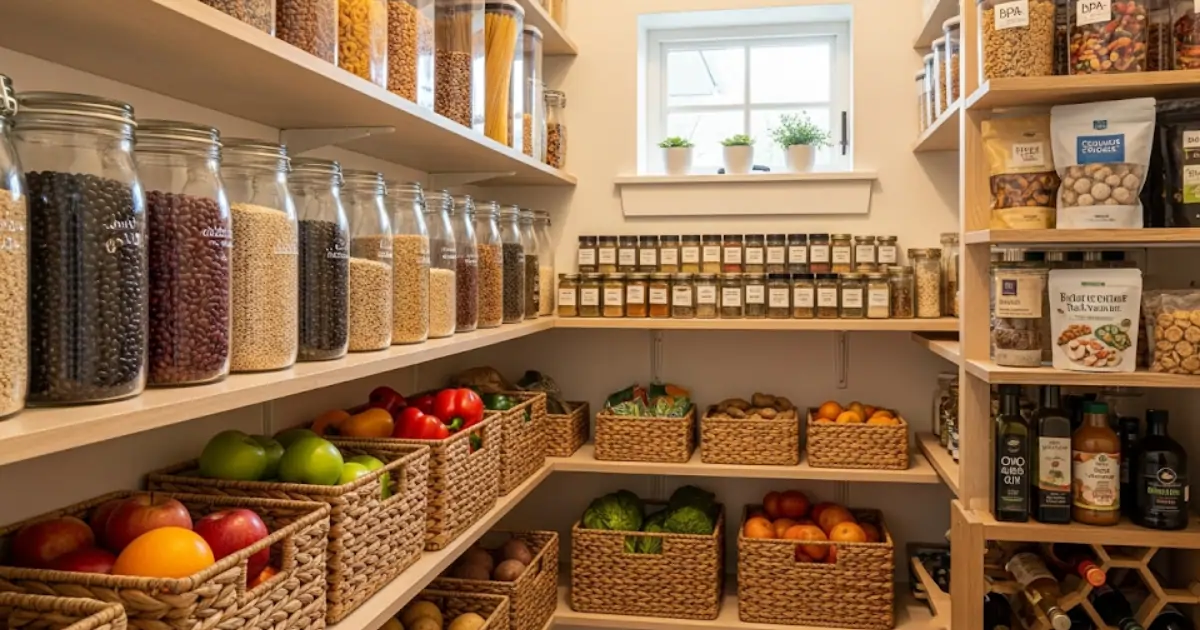
Organizing Your Pantry for Healthy Eating
Have you ever opened your pantry door and found nothing you needed? Or worse: found expired food and duplicate items you didn’t even remember buying? A disorganized pantry undermines healthy eating, increases food waste, and makes meal planning difficult. On the other hand, keeping your pantry organized saves time and money and encourages the use of natural foods.
Why is organizing your pantry essential for a healthy lifestyle?
Impact on Diet
- Ultra-processed foods tend to be the most visible items in cluttered pantries
- Fresh and natural foods are often overlooked
- A well-organized pantry encourages quick and nutritious choices
Waste Reduction
The World Resources Institute estimates that 30% of the food produced worldwide is wasted. Good organization makes it possible to:
- See what needs to be consumed soon
- Avoid duplicate purchases
- Reduce waste from expired food
Financial Savings
- Less waste means more money in your pocket
- Mindful shopping prevents duplicate purchases and products from being forgotten
How to Set Up a Functional Pantry
Setting up a functional pantry is essential for ensuring convenience in daily life and preventing food waste. The first step is to choose a suitable location with good ventilation, minimal direct sunlight, and protection from moisture and heat. Temperature and organization are key to preserving food for longer and maintaining a hygienic environment.
Categorizing items when organizing your pantry is one of the cornerstones of a well-organized pantry. Sorting foods by type—such as grains, pasta, preserves, spices, canned goods, breakfast items, snacks, and items used occasionally—makes it easier to see and access them. Using baskets, storage bins, and labeled clear containers can be a big help in this process.
Another important aspect of organizing your pantry is keeping track of product expiration dates. When restocking the pantry, the “first in, first out” (FIFO) method should be used. This means that older items should be placed at the front, and newer ones at the back, ensuring that food is consumed before its expiration date and preventing food from being forgotten.
Functionality in pantry organization also depends on the smart use of vertical space. Well-spaced shelves, stackable organizers, and hooks on the inside of the door are useful solutions for making the most of every centimeter. Adjusting the height of the shelves according to the type of item being stored also helps optimize the layout.
It’s essential to set aside a space for non-edible items that are still part of your kitchen routine, such as aluminum foil, freezer bags, dish towels, and cleaning supplies that don’t come into direct contact with food. This prevents these items from getting mixed up with food and keeps the kitchen organized.
The pantry should be cleaned regularly. A simple cleaning schedule for the pantry—such as a monthly check of the shelves—is enough to prevent pests and remove spilled food residue. Take this opportunity to review your inventory, check expiration dates, and plan your next purchases thoughtfully.
It’s also essential to consider your household routine. A large family, for example, may need more space for larger quantities of food, while those who cook only occasionally can organize their pantry with a focus on versatile, long-lasting items. Above all, a functional pantry should adapt to the lifestyle of those who use it.
A well-organized pantry makes meal preparation easier and promotes healthy eating habits. When food is visible and neatly arranged, it’s easier to plan meals, avoid overconsumption of processed foods, and make the most of the ingredients you have on hand. A well-organized pantry is an investment in convenience, savings, and well-being.
Choosing the Ideal Location
- A dry, cool, and well-ventilated place
- Keep away from direct sunlight and excessive heat
- Sturdy, adjustable shelves for space optimization
Grouping by Category
Organize by food type for ease of use:
- Grains and cereals (rice, oats, quinoa)
- Pasta and Flour
- Canned and Preserved Foods
- Nuts and seeds
- Spices, teas, and coffees
- Healthy snacks and dried fruit
Strategic Placement
- Place the most-used items at eye level
- Food with a short shelf life in the front
- Extra stock and long-term supplies on the highest or lowest shelves
Proper Storage to Extend Shelf Life
Proper food storage is essential for extending shelf life, preserving flavor, texture, and nutrients, and preventing waste. Each type of food has specific storage requirements, and understanding these nuances is the first step toward ensuring a longer shelf life. Temperature, humidity, and exposure to light are key factors in the food spoilage process.
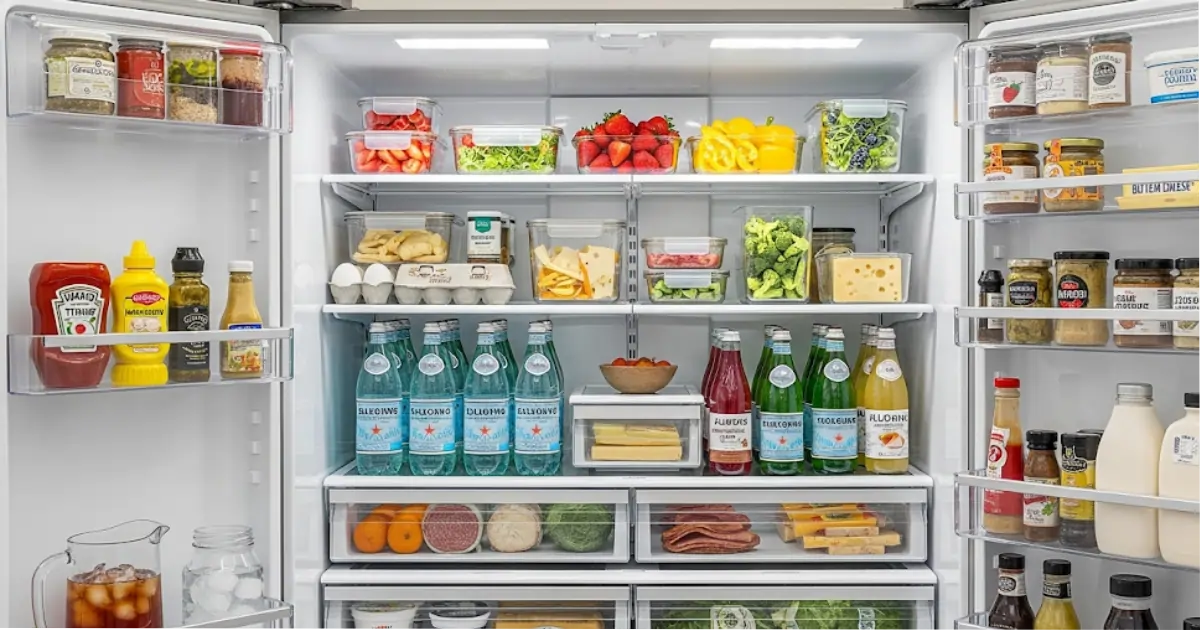
The refrigerator is your best ally for storing perishable foods, such as meat, dairy products, fruits, and vegetables. However, it’s important to organize the refrigerator by zones: top shelves for prepared foods or leftovers, middle shelves for dairy products, and bottom drawers for fruits and vegetables. Raw meat and fish should be stored on the lowest shelves in sealed containers to prevent cross-contamination.
Fruits and vegetables require special care. Some fruits, such as bananas, tomatoes, and avocados, ripen best outside the refrigerator, while others, such as strawberries and grapes, should be refrigerated immediately. It’s best to wash vegetables only before eating them, since moisture promotes spoilage. Using perforated bags or containers lined with paper towels can help maintain ventilation and control moisture.
Dry foods, such as grains, flours, pasta, and cereals, should be stored in airtight containers—preferably made of glass or BPA-free plastic—and protected from light and moisture. Labeling the containers with the name and expiration date helps with organization and prevents the consumption of expired products. Avoid leaving packages open or poorly sealed, as this attracts insects and accelerates spoilage.
In the freezer, proper storage allows food to be preserved for months, as long as it is well-packaged. Special freezer bags, airtight containers, and labels with freeze dates are essential practices. Dividing food into portions makes it easier to thaw and helps prevent waste. It’s important to remember that thawed food should not be refrozen.
These storage guidelines also apply to processed and canned foods. Once opened, these products should be transferred to suitable containers—preferably glass—and stored in the refrigerator. It is essential to follow the manufacturer’s instructions on the packaging, especially regarding the shelf life after opening.
Baked goods, such as bread and cakes, last longer when stored in a cool, dry place. Avoid storing them in sealed plastic bags for too long, as this promotes mold growth. To extend their shelf life even further, you can freeze slices of bread in individual portions, taking out only what you need each time.
In short, proper food storage requires attention and small adjustments to your daily routine, but the benefits are significant: savings, convenience, and better health. In addition to preserving food better, these practices encourage mindful eating and meal planning, reducing food waste and promoting a more balanced diet.
Types of Jars and Containers Ideal for Organizing the Pantry
- Glass jar with airtight lid: ideal for grains and flours
- BPA-free plastic: for dry foods and snacks
- Stainless steel or tin: for coffee, tea, and spices
Labeling and Expiration Dates
- Label each container with the product name and expiration date
- For opened food items, add the date opened
- Use colors or symbols to indicate consumption priorities
Preservation Conditions
- Ideal temperature: between 18°C and 25°C
- Low humidity prevents mold and deterioration
- Check the condition of food every two weeks
Rotation Strategies to Prevent Waste When Organizing the Pantry
FIFO (First In, First Out) Method
- Place new products behind the old ones
- Always use the items that arrived first
Visual Planning
- Use clear trays or baskets to separate items into groups
- Place the most fragile or perishable items at the front
Monthly Review
- Do a quick inventory and make a note of what you need to restock
- Use up ingredients that are close to their expiration date
Tools That Make Organizing Your Pantry Easier
- Stackable airtight containers
- Adhesive or digital labels
- Organizer Baskets
- Additional racks and shelves
- Household inventory spreadsheets or apps
Examples of useful apps: Pantry Check, Out of Milk, Bring!
Case Study: The Silva Family, 4 people
Initial scenario
A pantry with 3 disorganized shelves, expired food, and duplicate purchases. High monthly spending and frequent consumption of ultra-processed foods for convenience.
Changes Applied
- Remove all items and thoroughly clean the pantry
- Sorting by category and discarding expired items
- Use of clear jars and labels
- Implementation of the FIFO Method
- Weekly inventory replenishment tracking via spreadsheet
Results in 2 months
- 40% reduction in food waste
- Monthly savings of R$ 250.00
- Increase in the consumption of natural or minimally processed foods
- More motivation to cook at home
A Practical Checklist for Organizing Your Pantry
- Remove everything and clean up before you start
- Sort by food categories
- Use clear or airtight containers
- Label all products with their expiration dates
- Place new items in the back and old items in the front (FIFO)
- Create a simple spreadsheet or checklist
- Review every two weeks and reorganize as needed
- Make the most of vertical space with extra shelves
- Set aside 10 minutes each week for a quick inspection
Organizing your pantry goes far beyond aesthetics: it changes eating habits, reduces waste, and delivers real savings for the family budget. With a simple, visual, and functional system, you can ensure that healthy foods are always within reach and that cooking becomes more convenient and enjoyable.
See also
Comments
Loading comments…
See also
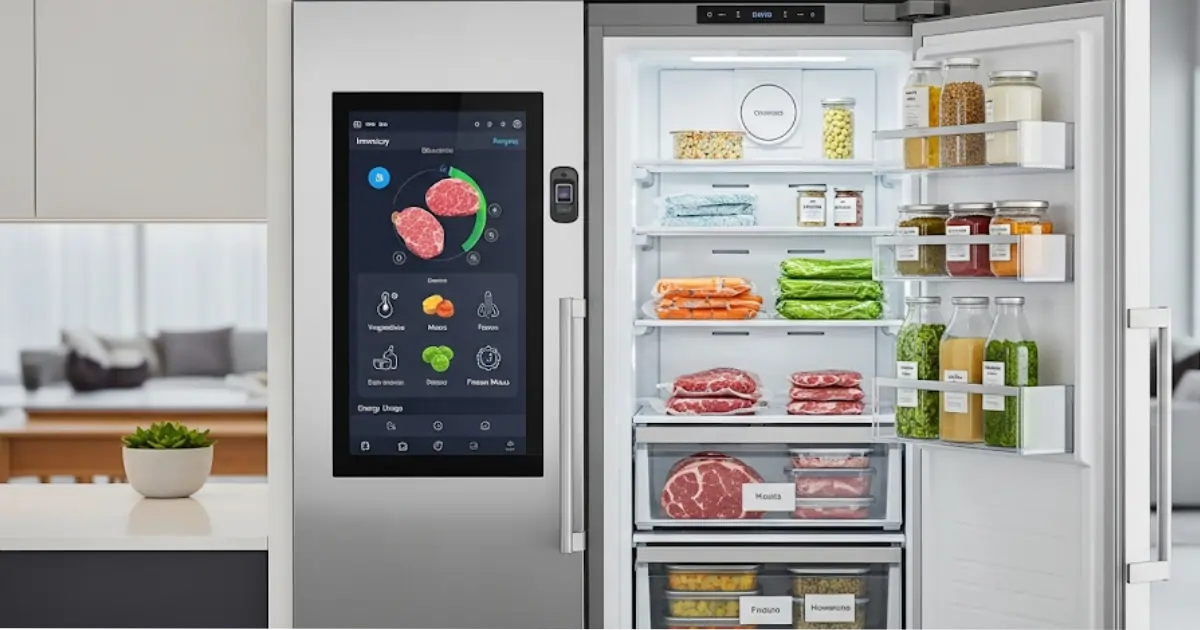 Smart Freezer for Food Storage | Vida Ideal Blog Shop
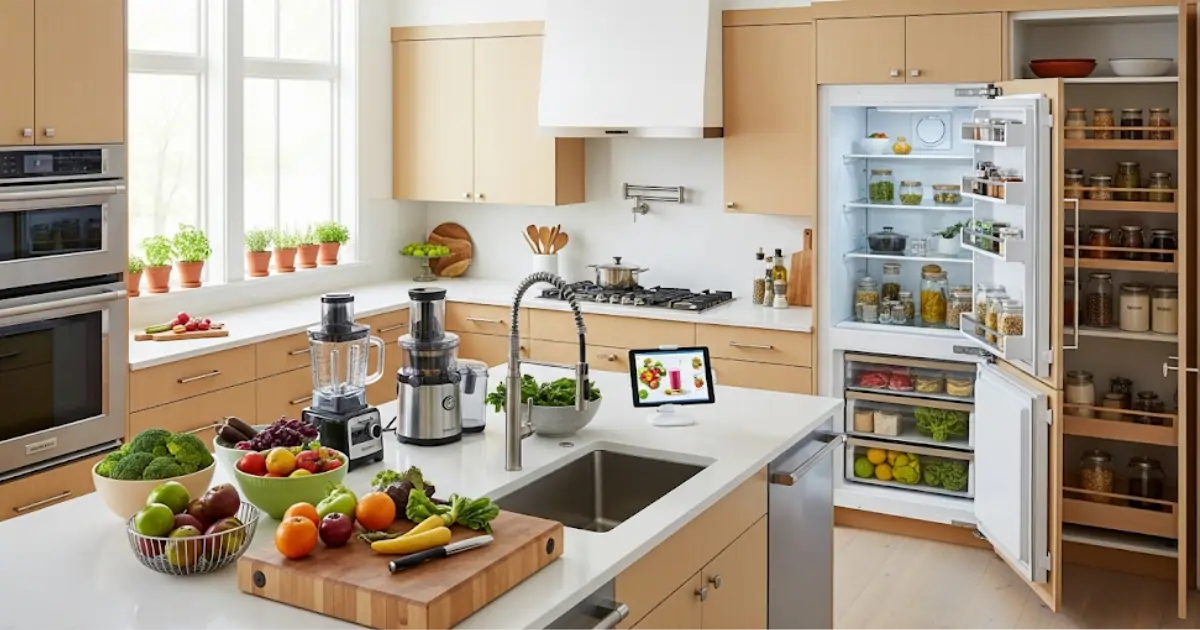 A Functional Kitchen for Healthier Eating Habits | Vida Ideal Blog Shop
 Avoiding Food Waste at Home | Vida Ideal Blog Shop
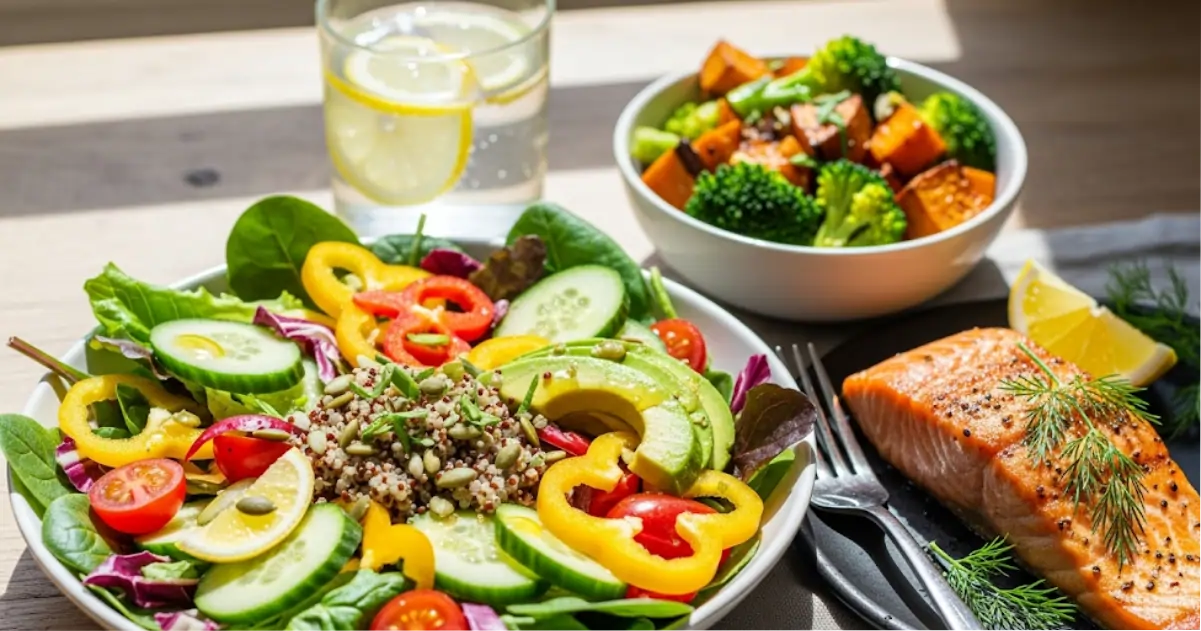 Healthy Eating: How to Transform Your Routine with Simple and Effective Practices | Vida Ideal Blog Shop
 Healthy and Convenient Lunches for Everyday Life | Vida Ideal Blog Shop
 Healthy Snacks | Vida Ideal Blog Shop
 Batch Cooking: How to Prepare All Your Meals for the Week in Just a Few Hours | Vida Ideal Blog Shop
 Balanced Diet | Vida Ideal Blog Shop
 Healthy Weekly Meal Plan | Vida Ideal Blog Shop
 How to Organize a Functional Fridge | Vida Ideal Blog Shop
 Healthy and Easy-to-Make Recipes | Vida Ideal Blog Shop