How to Organize a Functional Fridge
The refrigerator is the heart of the kitchen. It’s where you store fresh foods, perishable ingredients, and items that can determine whether your diet will be healthy or full of last-minute decisions. A functional and well-organized refrigerator offers countless benefits. It prevents waste and expired food, makes it easier to prepare healthy meals, saves time in your daily life, and helps you maintain a balanced routine.
Why does organizing the refrigerator affect your diet?
Makes it easier to make healthy choices
If fruits, vegetables, and lean proteins are visible and within easy reach, you're more likely to eat them.
Reduces waste and costs
A study by the World Resources Institute shows that 40% of household food waste is caused by a lack of organization and visibility in the refrigerator.
Improves food safety
Keeping raw and cooked foods separate reduces the risk of cross-contamination.
Structure of a Functional Refrigerator
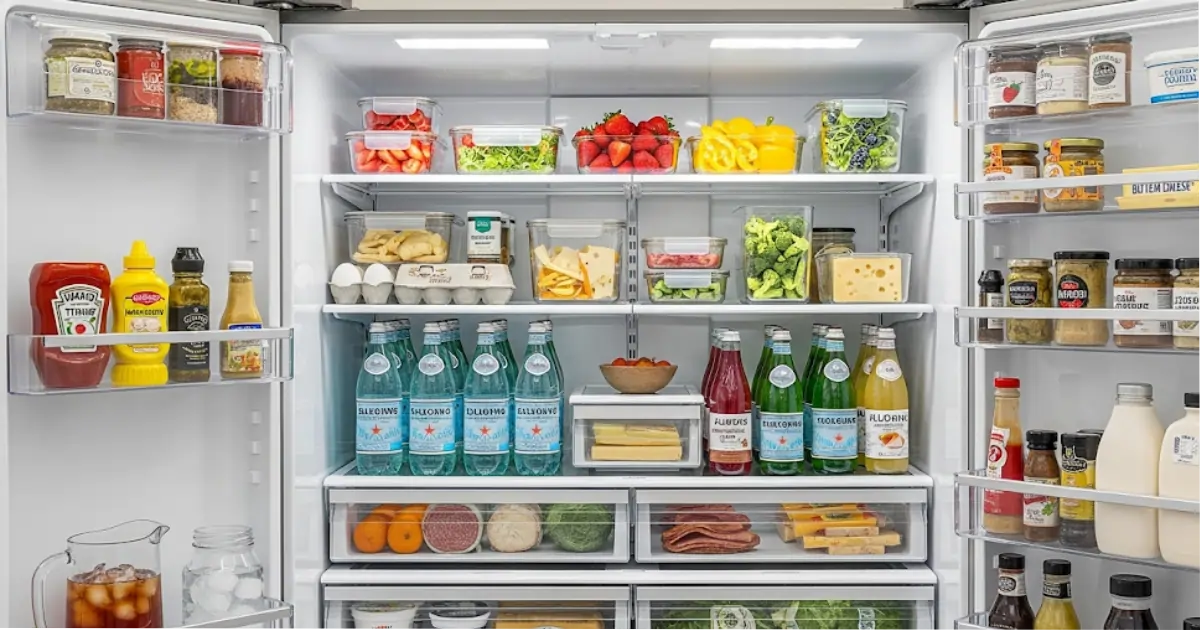
Divide the refrigerator into usage zones, taking advantage of the temperature flow:
- Top shelf (most stable temperature): Dairy products, eggs, ready-to-eat foods
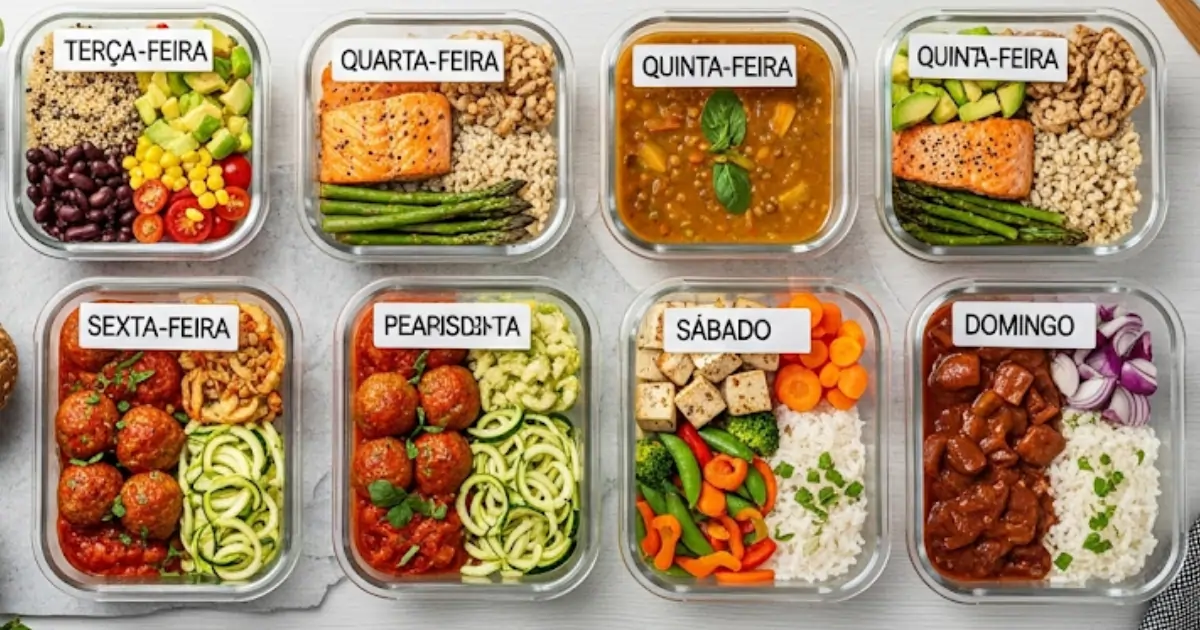
- Middle shelf: Packaged leftovers, ready-to-eat meals, and meal-prep containers
- Bottom shelf: Raw meat and fish (always packaged and protected)
- Drawers: Washed fruits and vegetables, sorted by type
- Refrigerator door (less stable temperature): Condiments, sauces, jams, and beverages
Tips for Extending the Shelf Life of Food
Extending the shelf life of food is essential for reducing waste and saving money. One of the key tips is to plan your shopping well: avoid buying too much and prioritize fresh products that will be consumed in the coming days. Taking a shopping list with you helps prevent impulse buys and ensures that the food you buy has a place and a purpose in your daily meals.
Proper storage is another key factor in making your refrigerator practical and organized. Each type of food requires specific care: vegetables should be thoroughly dried and stored in sealed containers lined with paper towels; fruits such as bananas and avocados ripen faster outside the refrigerator, while meat and dairy products need constant refrigeration. Knowing the correct way to organize your refrigerator also helps—for example, storing eggs and dairy products on the interior shelves, where the temperature is more stable.
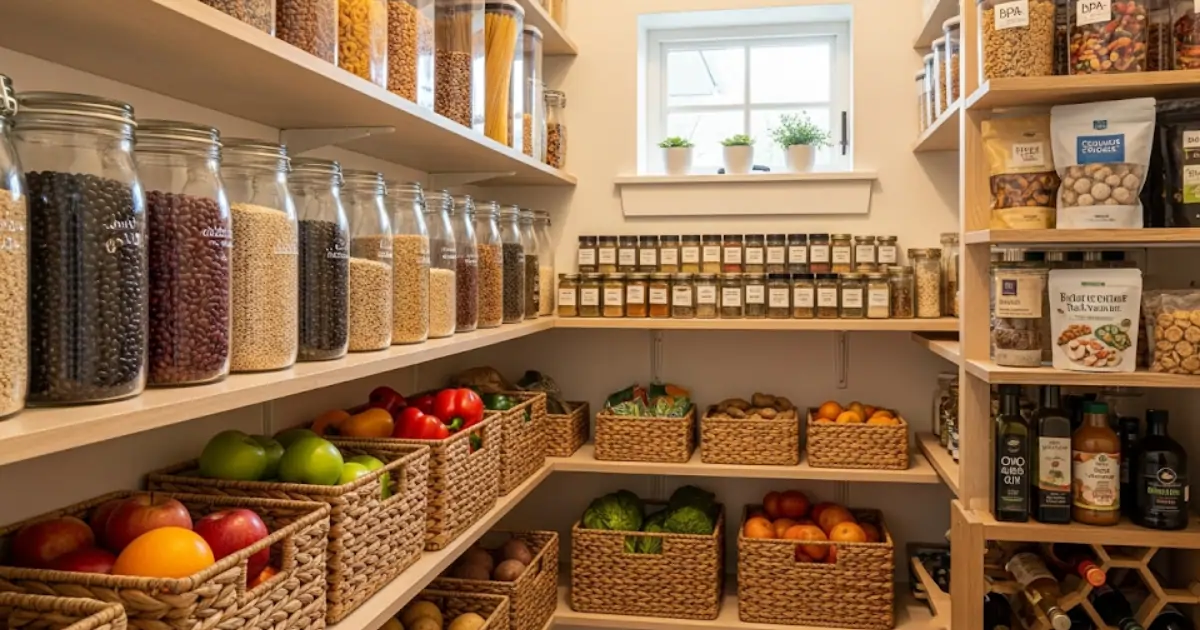
Using airtight containers or vacuum-sealed bags can significantly extend the shelf life of grains, seeds, nuts, and dried foods. These containers prevent air and moisture from entering, which are the main causes of mold and spoilage. In addition, labeling the containers with the expiration date or opening date makes it easier to keep track of when to consume the contents.
Freezing food is a great way to preserve leftovers or ingredients purchased in bulk. It’s best to divide the food into portions, label them, and freeze them as soon as possible to maintain quality. Also, remember not to refreeze food that has already been thawed, as this promotes the growth of microorganisms.
The “FIFO” (First In, First Out) method is also useful. When organizing your pantry or refrigerator, place the oldest items in the front and the newly purchased ones in the back. This encourages you to consume foods with shorter expiration dates before they go bad.
Avoid washing fruits and vegetables before storing them, unless you plan to eat them right away. Moisture speeds up spoilage. Instead, wash them just before using them, or—if you prefer to prepare them ahead of time—dry them thoroughly before storing and use paper towels to absorb any residual moisture.
Pay attention to the expiration date, but also use your senses: many foods are still good even after the date indicated, as long as they look, smell, and taste normal. On the other hand, products that spoil very quickly, such as fresh bread and cakes, should be kept in the refrigerator or frozen if they aren't eaten right away.
Creatively repurposing leftovers in a well-organized refrigerator helps prevent waste. Cooked vegetables can be turned into soups, rice can be made into rice cakes, and ripe fruit can be used in smoothies or jams. With small changes in habits, it’s possible to extend the shelf life of food and contribute to more mindful and sustainable consumption.
Proper Sanitization
- Wash fruits and vegetables only before eating them or if you prep them in advance and let them dry completely
- Use a dry cloth or paper towel to prevent excess moisture
Smart Storage
- Clear containers with airtight lids for leftovers and pre-cut food
- Zip-top bags or vacuum-sealed packaging for meat and fish
- Sorted by category for easy viewing
Expiration date control
- Label opened or pre-prepared foods with the date
- Use the FIFO (First In, First Out) system
Common Mistakes When Organizing a Functional Refrigerator
Organizing your refrigerator improperly can shorten the shelf life of food and even pose health risks. One of the most common mistakes is mixing raw foods with ready-to-eat foods. Raw meats, for example, should always be stored on the lowest shelves to prevent their juices from dripping and contaminating other foods, especially fruits, vegetables, and cooked foods.
Another common mistake is overfilling the refrigerator. When it is too full, cold air cannot circulate properly, which compromises even cooling. This can cause certain foods to spoil faster, in addition to putting a strain on the appliance’s motor, increasing energy consumption and shortening its lifespan.
Putting hot food directly into the refrigerator is also a common mistake. This causes the internal temperature to rise, affecting the food already stored inside and forcing the appliance to work harder to cool down again. Ideally, let food cool to room temperature before storing it, always adhering to the maximum exposure time to prevent bacterial growth.
Ignoring the purpose of each shelf is also a problem. A functional refrigerator has zones with different temperatures: the top shelves are ideal for dairy products and ready-to-eat foods, the middle shelves for containers and leftovers, and the bottom shelves for raw meats (always in sealed containers). The bottom drawer, on the other hand, is designed for fruits and vegetables, as it maintains a controlled humidity level suitable for these foods.
Failing to label food and leftovers is another mistake. Without labels, it’s easy to forget preparation or expiration dates, which increases the risk of consuming expired food. Simple labels with the preparation date and contents help with tracking and proper use of food.
Storing items on the refrigerator door also requires some care. Although it’s a common place to store eggs and milk, the door is the part of the refrigerator that experiences the most temperature fluctuations due to frequent opening. It’s best to use this space for items that tolerate temperature changes better, such as condiments, sauces, and beverages.
Neglecting to clean the refrigerator is another serious mistake. The buildup of residue, spilled liquids, or forgotten food can cause bad odors, contamination, and attract microorganisms. A thorough cleaning every 15 days, using mild products such as baking soda and vinegar, helps keep the refrigerator clean and safe.
Relying solely on the appearance of food can lead to mistakes. Sometimes, a product may look good but be past its expiration date or contaminated. That’s why, in addition to looking at it, it’s important to check the expiration date, smell, and texture before eating it. Avoiding these mistakes when organizing your refrigerator contributes to greater food safety, less waste, and greater savings in your daily life. Always avoid:
- Storing eggs in the door (temperature fluctuations can affect their shelf life)
- Storing raw meat together with vegetables (risk of contamination)
- Accumulating unlabeled containers and forgetting about older food
- Leaving splashes or spilled liquids uncleaned
Case Study: Fernanda, 36, mother of two
Initial scenario
- A messy refrigerator, food that often goes bad
- Duplicate purchases because she could not see what was in stock
Changes Applied
- She divided the refrigerator into zones and used clear containers
- She created expiration labels and applied the FIFO method
- She set aside 10 minutes each week for cleaning and inspection
Results in 2 months
- 35% reduction in food waste
- Savings of R$ 200 per month on grocery shopping
- More convenience when cooking and making snacks
A Practical Checklist for a Well-Organized Refrigerator
- Divide the refrigerator into temperature zones
- Use clear jars and airtight containers
- Keep raw foods separate from ready-to-eat foods
- Keep fruits and vegetables in the drawers, clean and dry
- Apply expiration date labels and use the FIFO method
- Clean shelves and drawers weekly
- Check inventory before making purchases
A functional and healthy refrigerator is the first step toward an organized kitchen and a balanced diet. When everything is visible, clean, and properly stored, you save time, save money, and reduce waste.
See also
Comments
Loading comments…