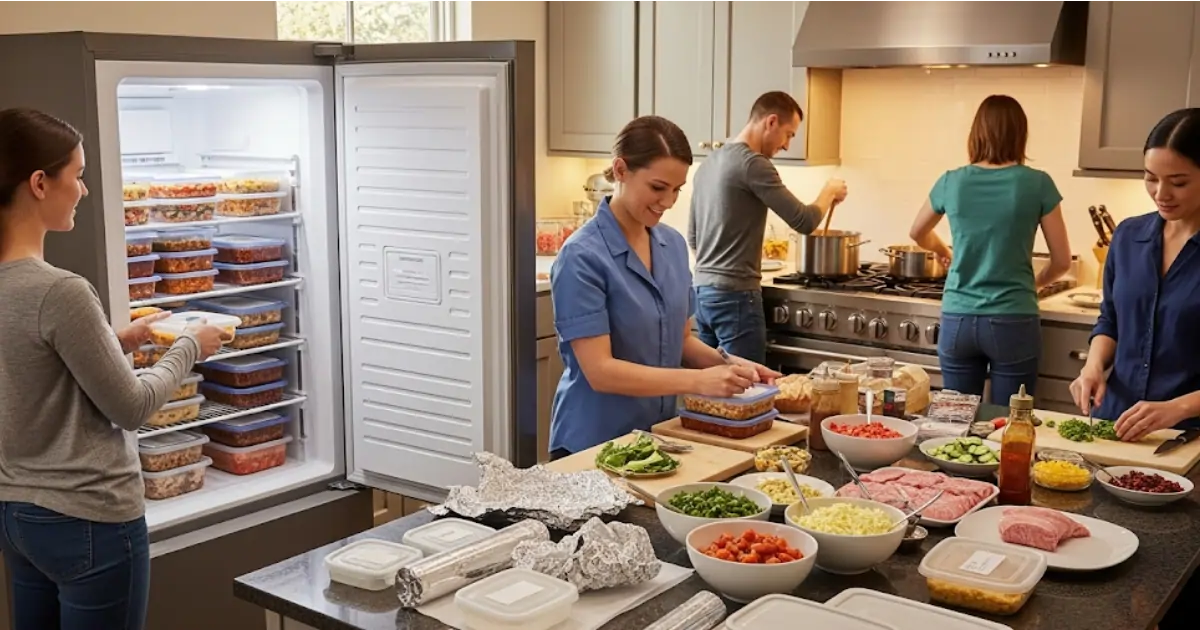
Healthy Frozen Meals
With our increasingly hectic schedules, preparing fresh meals every day can be a challenge. In this context, healthy frozen meals offer a practical and efficient solution. In addition to saving time, they allow you to maintain a balanced diet while avoiding fast food and ultra-processed foods. This article is a comprehensive guide covering everything from choosing ingredients to best practices for freezing and reheating, ensuring flavor, texture, and nutritional value.
Why choose healthy frozen meals?
Time savings
Preparing several meals at once reduces the time spent in the kitchen during the week.
Nutritional control
When you cook at home, you control the amount of salt, sugar, fats, and additives.
Food waste reduction
Freezing food helps preserve ingredients for longer and prevents them from spoiling.
📊 Relevant study: Research shows that people who plan their meals are 30% more likely to maintain healthy eating habits.
What makes a frozen meal “healthy”?
- Use of fresh, high-quality ingredients
- Low in sodium and saturated fat
- Include vegetables on at least half of your plate
- Sources of lean protein (chicken, fish, eggs, legumes)
- Complex carbohydrates (brown rice, sweet potatoes, quinoa)
Types of meals that freeze well
Freezing meals is a practical strategy for saving time in the kitchen, reducing food waste, and ensuring you always have nutritious options on hand. However, not all dishes retain their texture, flavor, and quality after freezing. Knowing which types of meals freeze well is the first step to getting the most out of this technique and avoiding unpleasant surprises when thawing.
Stews, soups, and broths are the best choices when it comes to freezing. They hold up well at low temperatures, and often the flavor even improves over time as the seasonings blend together better. Vegetable soups, meat broths, and lighter cream soups are great options. Just avoid adding pasta or potatoes before freezing, as these ingredients can alter the texture when thawed; it’s best to add them right before serving.
Tomato-based sauces, such as Bolognese or ragù, are also excellent for freezing. They maintain their consistency, don’t separate, and, when reheated, retain their original flavor. This applies to both simple sauces and more elaborate versions, such as roasted tomato sauce with herbs or spicy sauces. Just store them in individual portions for easy use later.
Cooked protein dishes, such as shredded chicken, seasoned ground beef, or cubed beef in sauce, freeze very well. In addition to being versatile for a variety of recipes, they can be reheated quickly and used in fillings, pasta dishes, or side dishes. The key is to avoid using too much oil, as this can alter the texture later on.
Baked dishes, such as lasagna, layered mashed-potato casseroles (escondidinhos), and gratins, freeze especially well. They can be assembled in advance and stored either raw or already baked. For stuffed pasta dishes, such as lasagna and cannelloni, it’s best to use saucier sauces to prevent them from drying out when reheated.
Cooked legumes, such as beans, lentils, and chickpeas, are perfect for freezing. They retain their flavor, texture, and nutrients and can be stored with or without broth. This makes preparing quick meals much easier, since all you have to do is thaw them and season them according to the recipe of your choice.
Blanched vegetables—that is, vegetables that have been quickly cooked in boiling water and then cooled in ice water—are also great for the freezer. This method preserves the vegetables’ color, texture, and nutrients, making them ready to use in stir-fries, warm salads, or soups.
Quiches and savory pies are among the foods that freeze well. You can store them whole or in individual slices, which makes them easier to thaw. The key is to let them cool completely before packaging them, to prevent excess moisture and loss of crispness.
Artisanal burgers—whether made with beef, chicken, fish, or vegetables—can be frozen raw or already grilled. Freezing them raw helps them stay juicier, while freezing them after cooking offers maximum convenience. Always use parchment paper between them to prevent them from sticking together.
Complete one-dish meals, such as risotto (cooked partially so it can be finished right before serving), chili con carne, or vegetarian stews, are great for freezing in individual portions. That way, you’ll have balanced, ready-to-eat meals without having to prepare everything from scratch on your busiest days.
Soups and Broths
- Pumpkin, lentils, chicken with vegetables
- Easy to portion and thaw
Stews and braised dishes
- Lean meat with potatoes and vegetables
- Beans, chickpeas, or lentils with natural seasonings
Complete meal-prep portions
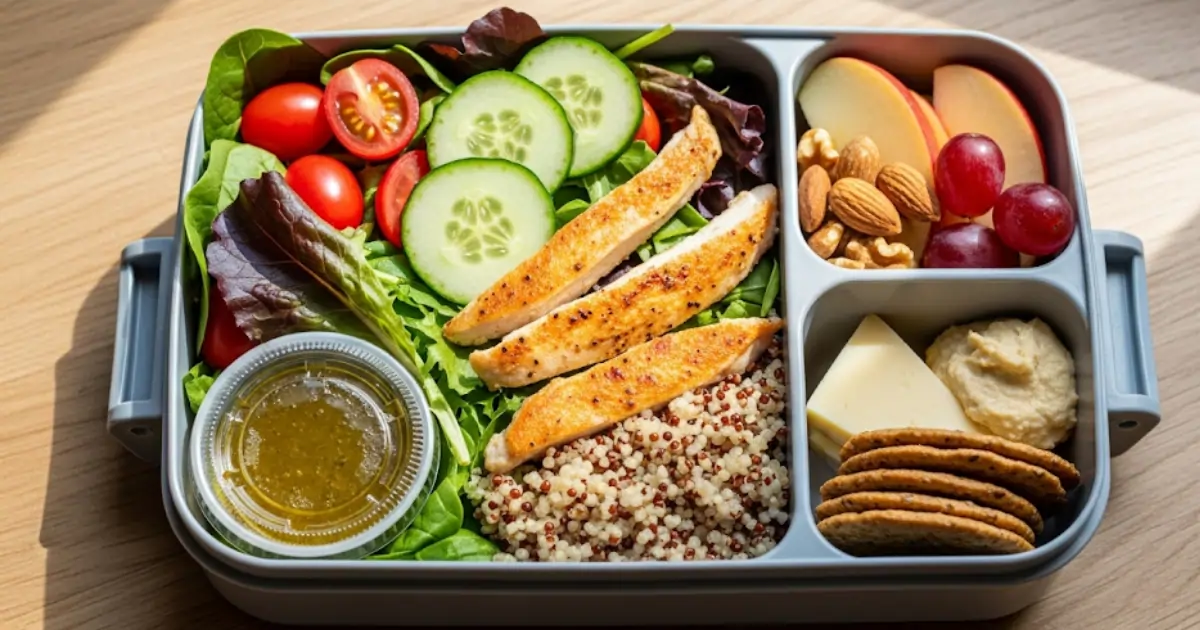
- Brown rice + grilled chicken + cooked vegetables
- Quinoa + baked fish + cooked vegetables
Step-by-Step Guide to Preparing and Freezing
Planning
Plan the weekly menu, taking into account variety and nutritional balance.
Preparation
- Cook the foods separately
- Season lightly, since freezing intensifies flavors
Portioning
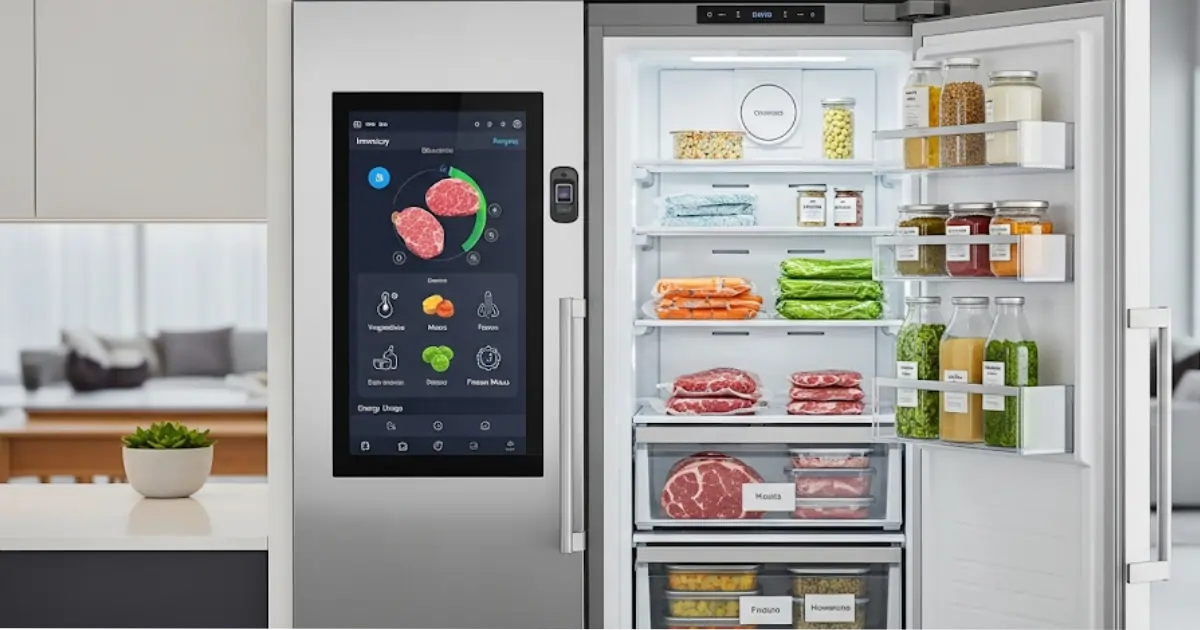
- Use airtight containers or freezer-safe bags
- Label them with the date and contents
Quick Freezing
Put it in the freezer as soon as possible to preserve its texture and nutrients.
Freezing precautions
- Avoid freezing food while it's still hot (ice crystals may form and alter the texture)
- Do not refreeze food that has already been thawed
- Keep your freezer at -18°C to ensure food safety
How to Defrost and Reheat
- In the refrigerator: safer, but slower
- In the microwave: quick, but requires care to ensure even heating
- Straight onto the stove or into the oven: ideal for soups, stews, and roasts
📊 Fact: Slow thawing preserves up to 90% of the nutrients, while rapid methods preserve about 70%.
Practical Recipes for Healthy Frozen Meals
Recipe 1 – Chicken with Steamed Vegetables
Ingredients:
- 500 g of chicken breast
- Broccoli, carrots, and zucchini
- Natural seasonings
Preparation:
- Steam the chicken and shred it
- Cook the vegetables until they are al dente
- Portion into containers with brown rice
Recipe 2 – Lentil Soup with Vegetables
Ingredients:
- 1 cup of lentils
- Carrots, potatoes, and onions
- Natural seasonings
Preparation:
- Sauté the onion
- Add the vegetables and lentils
- Cook until tender, then freeze in portions
Recipe 3 – Quinoa with Salmon and Spinach
Ingredients:
- Cooked quinoa
- Salmon fillet
- Sautéed spinach leaves
Preparation:
- Grill the salmon
- Cook the quinoa
- Portion the meals with sautéed spinach
Common Mistakes When Freezing Meals
Additional Benefits of Healthy Frozen Meals
One of the major benefits of healthy frozen meals is how convenient they are for everyday life. With our fast-paced routines, having ready-to-eat, balanced options in the freezer eliminates the stress of deciding what to cook and cuts down on time spent in the kitchen. Just thaw and heat—keeping your diet under control even on the busiest days.
Another benefit of healthy frozen meals is the financial savings. By preparing meals in batches and freezing them, you can take advantage of sales, buy ingredients in bulk, and reduce food waste. This means fewer trips to the grocery store and more predictability in your monthly food expenses.
Healthy frozen meals also help you stay on track with your nutritional goals. When you plan and freeze your own recipes, you ensure that the ingredients are fresh and high-quality, while avoiding the excess sodium, unhealthy fats, and additives found in processed foods.
Healthy frozen meals also help prevent impulsive choices. With healthy, ready-to-eat meals on hand, you’re less likely to turn to fast food or delivery because you don’t have time or don’t feel like cooking. This promotes consistency in eating habits and reduces the consumption of ultra-processed foods.
Another benefit of healthy frozen meals is portion control. By freezing meals that are already divided into individual portions, you avoid overeating and maintain an appropriate level of calorie intake. This practice is especially helpful for those looking to lose weight or maintain their weight in a healthy way.
Freezing meals also extends the shelf life of food, preventing perishable ingredients from spoiling before they are eaten. This is particularly useful for people who buy fresh vegetables, proteins, and other products with short shelf lives.
The flavor and nutritional quality of healthy frozen meals can be preserved using proper freezing techniques. This means that even days or weeks later, the meal retains an aroma, texture, and nutritional value similar to the original, allowing you to eat well without cooking every day.
In addition, healthy frozen meals make it easier to add variety to your menu. By preparing different options and storing them, you ensure a variety of flavors and nutrients, avoiding dietary monotony and promoting a more balanced diet.
For families, healthy frozen meals are a great help in managing household tasks. They make it possible to prepare meals tailored to different preferences and dietary restrictions, ensuring everyone is well fed without having to cook separate meals every day.
There’s an emotional benefit to healthy frozen meals: having ready-to-eat, nutritious meals provides a sense of security and peace of mind. Knowing that you’ll always have something healthy on hand reduces food-related anxiety and contributes to a more balanced and mindful routine by:
- More free time for leisure or rest
- Lower spending on food delivery
- Less daily stress around food
Choosing healthy frozen meals is a smart way to maintain a balanced diet without sacrificing convenience. With proper planning, careful preparation, and correct storage, you can ensure that tasty and nutritious meals are always on hand.
See Also
Comments
Loading comments…