
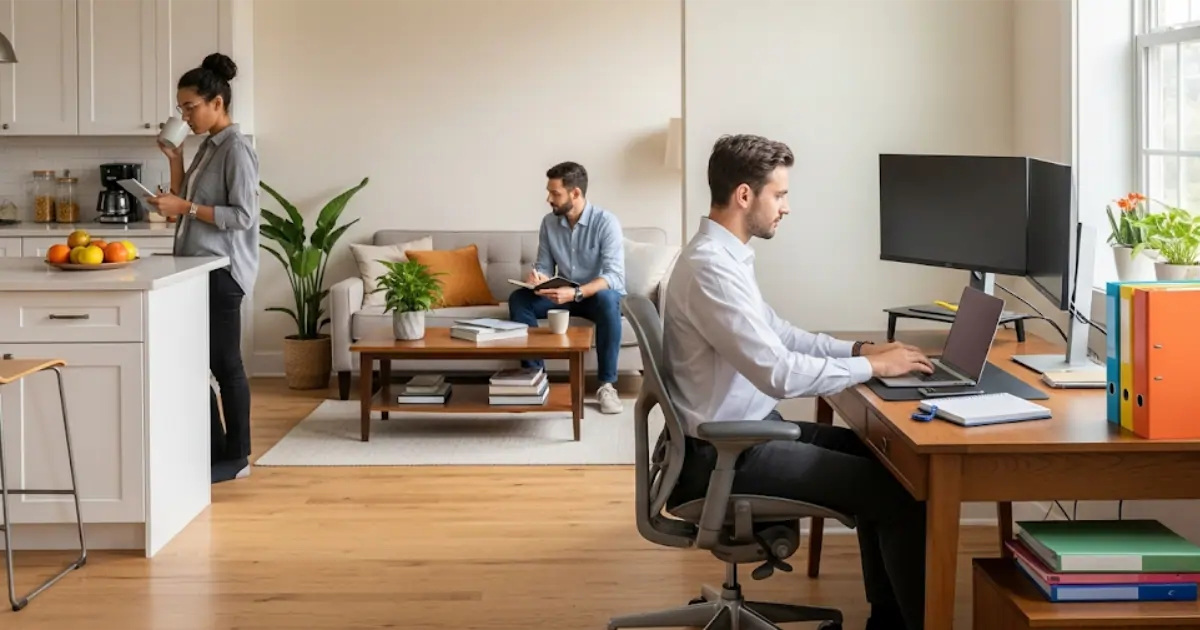
Organizing Your Home and Office for Greater Productivity and Well-Being
Have you ever noticed how hard it is to concentrate when your desk is covered with papers or when your home is cluttered? Science confirms it: chaotic environments hinder focus, increase stress levels, and reduce productivity. A study published in the Journal of Neuroscience revealed that physical clutter competes for your attention, causing mental overload. This means that organizing your home and office isn’t just a matter of aesthetics, but a strategy for improving your quality of life. Organizing your home and office can transform your daily life, boost your efficiency, and even improve your emotional well-being.
Why is keeping your home and office organized so important?
According to a study published in the International Journal of Environmental Research and Public Health, people who live and work in organized environments have lower levels of cortisol, the stress hormone.
In the workplace, clutter can lead to financial losses: according to American Demographics Magazine, it is estimated that workers waste up to 4.3 hours per week simply looking for lost documents or objects. At home, a lack of organization is associated with feelings of anxiety and even difficulty getting adequate rest.
Basic Principles of Home and Office Organization
Before diving into the techniques, it's important to understand the basics:
Mindful Minimalism in Home and Office Organization
Fewer possessions mean less clutter. Take stock of what’s truly useful or brings you joy, inspired by Marie Kondo’s KonMari method.
A Purpose for Every Space in the Home and Office
Each room should have a clear purpose, preventing objects from being moved unnecessarily from one place to another.
Consistency in habits when organizing the home and office
Organizing your home and office is all about building simple daily habits, such as putting things away after use and cleaning small areas every day.
Home Organization
Ideal home organization goes far beyond simply keeping rooms clean. It involves creating a balanced, practical, and welcoming atmosphere that promotes the well-being of everyone who lives there. A well-organized home makes daily routines easier, reduces stress, and fosters a sense of harmony that directly affects quality of life. When every item is in its proper place, the home becomes a fluid and functional space where time can be used more effectively.
One of the cornerstones of ideal home organization is defining clear spaces for each function. The living room should be designed as a place for socializing, the bedroom as a sanctuary for rest, the kitchen as a space for preparing and sharing meals, and so on. This clarity prevents functions from becoming mixed and helps maintain order. When a room is overloaded with multiple uses without proper planning, clutter tends to accumulate, making daily routines more difficult.
An organization routine is another essential element. It’s not enough to tidy up once and expect the house to stay that way on its own. Daily maintenance—through small, simple actions like putting clothes away right after wearing them or washing the dishes immediately after meals—makes all the difference. Small habits create consistency and prevent clutter from becoming a bigger, more exhausting problem to solve.
Ideal organization also involves letting go. We often accumulate useless objects that take up physical and mental space. Letting go by donating or discarding what is no longer needed makes room for what really matters. This practice helps make spaces feel lighter and easier to keep organized, while also bringing a sense of freedom.
Minimalism is an important ally in this process. It doesn’t mean living without comfort, but rather valuing what’s essential and avoiding excesses that end up creating clutter. In a minimalist home, every object has a clear purpose and a designated place. This makes cleaning, tidying up, and even decorating easier, resulting in a more harmonious and visually pleasing space.
In addition, a well-organized home takes ergonomics and practicality into account. Frequently used items should be kept in accessible places to avoid unnecessary effort. The arrangement of furniture and the flow of movement throughout the rooms should be planned to promote comfort and functionality. An organized home should not only be beautiful but also make daily life easier.
Another key aspect is digital organization within the home. In an era of working from home and technology present in nearly every room, it is essential to keep cables organized, digital documents well-categorized, and devices in order. This attention to detail prevents a sense of chaos and contributes to a modern, efficient environment.
Aesthetics are also part of organizing the ideal home. Soft colors, proper lighting, and functional decor help create an atmosphere that conveys calm and balance. More than just appearance, these visual elements reinforce a sense of well-being and encourage the discipline needed to maintain order. After all, a beautiful space tends to be better cared for.
The participation of all residents is essential. When just one person takes on the responsibility for keeping things organized, the process becomes exhausting. Ideally, every family member should understand their role—whether it’s keeping their room tidy or following the house rules. Working together ensures that the organization is sustainable and fair for everyone.
Ideal home organization is not an unattainable goal, but an ongoing process. It adapts to daily routines, life’s changes, and the needs of those who live there. The secret lies in maintaining a balance between functionality, aesthetics, and well-being. When a home reflects this care, it ceases to be merely a physical space and becomes a true home—welcoming and inspiring.
The kitchen: the heart of the home
The kitchen is one of the most frequently used spaces and, as a result, one of the most prone to clutter.👉 Practical example: Use clear containers to store groceries, making it easier to see what’s inside and reducing waste.
The living room: a place for socializing
Avoid having too much furniture and prioritize items that promote comfort and ease of movement. A study by the University of Minnesota showed that organized environments encourage healthier choices and greater mental clarity.
The bedroom: a place to rest
The bedroom should be the most organized room in the house. Unmade beds and clothes scattered around can affect the quality of your sleep.👉 Tip: Get into the habit of making your bed as soon as you wake up; small actions strengthen daily discipline.
Office Organization
Ideal office organization is a key factor in productivity, well-being, and even creativity. A disorganized environment can lead to distractions, wasted time searching for materials, and a sense of chaos. A well-organized office, on the other hand, promotes focus, clarity, and efficiency in tasks, whether at home or in a corporate setting.
The first step toward an organized office is to define the purpose of each area within the space. The desk should be reserved for active work, while drawers and shelves are used for storage. When every item has a designated place, the space becomes more fluid and practical, avoiding the confusion typical of poorly organized multifunctional spaces.
The choice of furniture directly influences organization. Spacious desks, ergonomic chairs, and well-designed cabinets not only provide comfort but also ensure that the space remains clutter-free. Functional furniture, such as shelves and drawer units, helps optimize space and makes it easier to keep things organized.
Ergonomics is an essential aspect of the ideal office. In addition to proper posture, it is important that frequently used items are always within reach, thereby avoiding repetitive or tiring movements. This not only improves physical health but also helps streamline daily tasks.
Another key point is managing excess paperwork and documents. In an increasingly digital world, scanning documents and creating organized folders on your computer or in the cloud reduces the need for physical space and makes it easier to access information quickly. This habit prevents unnecessary piles and helps keep your desk clear and organized.
Digital organization is just as important as physical organization. Well-named files, structured folders, and regular backups make work safer and more efficient. A disorganized digital office can be just as chaotic as a cluttered physical space, leading to frustration and wasted time.
Aesthetics also influence performance. Neutral colors, proper lighting, and a visually uncluttered environment promote concentration. Plants, paintings, or decorative objects can be used sparingly to provide inspiration, as long as they do not compromise functionality or create distractions.
Technology should be organized to prevent visual clutter and stress. Tangled cables, scattered chargers, and devices out of place create clutter and can even disrupt your workflow. Using stands, cable organizers, and charging stations helps keep things tidy and practical.
A good office should also be adaptable to the needs of its users. Creative professionals may need bulletin boards for ideas, while managers may prefer planning boards. Customizing the space—without going overboard—ensures that it meets individual needs without losing its sense of harmony.
Daily maintenance is the secret to the ideal office. Setting aside a few minutes at the end of each workday to put away supplies, organize documents, and clean your desk helps you start the next day feeling more energized and focused. Discipline in small habits ensures that organization isn’t just a one-time effort, but a lasting way of working.
The desk
Research from the Harvard Business Review shows that organized desks increase productivity by 30%.👉 Use desk organizers and document boxes, and keep only the essentials within reach.
Digital files and documents
Disorganization isn't just a physical problem. Cluttered folders on your computer also hinder efficiency.👉 Create folders with clear, standardized names to make searching easier.
Ergonomics and Well-Being
Unsuitable chairs and desks at the wrong height have a direct impact on posture and health. Investing in ergonomics is investing in productivity.
How to Balance Home and Office Organization When Working from Home
Balancing home and office organization while working from home is an increasingly common challenge, as remote work has gained momentum in recent years. The main difficulty lies in balancing professional responsibilities with the demands of personal life, without one negatively affecting the other. To achieve this, it is necessary to develop strategies that clarify roles, define schedules, and create a suitable environment.
One of the most important points is setting physical boundaries. Whenever possible, you should set aside a dedicated space for work, even if it is just a corner of the living room or bedroom. Having a fixed location helps the brain recognize when it is time to focus on work, avoiding distractions and reducing confusion between home and office routines.
Sticking to a schedule is also essential for organizing your home and office. Working from home doesn’t mean you have to be available all the time. Setting a start time, breaks, and an end time prevents burnout and helps maintain productivity. In addition, communicating these boundaries to family members helps reduce interruptions while you’re working.
Another key aspect of organizing your home and office is structuring your routine. Planning your day with priority lists—for both work and household chores—helps prevent the feeling that everything has to be done at once. Dividing tasks into time blocks and sticking to those time frames brings more balance and focus.
Technology is a great ally when it comes to organizing your home and office. Digital organization tools, such as online calendars and task management apps, help you separate professional and personal commitments. This allows you to maintain clarity in each area of your life and manage your time more effectively.
Ergonomics and comfort should not be overlooked when organizing your home and office. Setting up a functional space—with a suitable chair, proper lighting, and well-positioned equipment—makes a difference not only for your physical health but also for your concentration. A makeshift environment can cause discomfort that hinders productivity and motivation.
It’s also important to establish rituals to mark the transition between work and personal life when organizing your home and office. Changing clothes, taking a short walk, or making a special cup of coffee at the end of the workday are simple examples that help your brain realize the workday is over. This habit prevents work-related worries from spilling over into your downtime.
Clear communication with family members is essential for keeping both home and office organized. Often, those at home believe they can count on the person working from home at any time. Explaining work schedules and the importance of staying focused on work ensures greater respect for the professional space and fewer domestic conflicts.
Flexibility, however, is also an advantage of this model. Working from home allows you to adapt your routine to include quick breaks to take care of the house, look after your children, or rest. The key is not to let these breaks compromise your daily goals, while always maintaining a healthy balance between managing your home and your office.
Balancing home and work life while working from home requires discipline, communication, and self-awareness. Each person must find the balance that best suits their situation, testing and adjusting strategies for organizing their home and workspace whenever necessary. When managed well, this model can offer a better quality of life, greater productivity, and more freedom, transforming the home into a harmonious space that accommodates both personal and professional life. The rise of remote work has brought new challenges. Blurring the lines between personal and professional life in the same environment can create mental overload.
👉 Practical example: Physically set aside a workspace at home—even if it’s just a corner of the living room—to create clear boundaries.
Tools and resources to help you organize your home and office
- Organization apps: Trello, Notion, Evernote.
- Traditional methods: The Pomodoro Technique for time management, the GTD (Getting Things Done) method for tasks.
- Physical supplies: storage bins, labels, hanging folders.
Common Challenges in Organizing Your Home and Office, and How to Overcome Them
- Not enough time: Start with 15 minutes a day.
- Hard to let go: If you haven't used it in 1 year, you probably don't need it.
- Digital clutter: Set aside one hour a week for “digital cleaning.”
Practical Applications: Creating Your Home and Office Organization Routine
- Morning: Make the bed and tidy up the desk.
- During the day: Avoid letting dishes or papers pile up.
- Evening: Quickly check the spaces before going to bed.
This simple routine takes less than 30 minutes a day, but has a lasting impact.
Organizing Your Home and Office as a Lifestyle
Keeping your home and office organized isn’t an end goal, but an ongoing process that leads to mental clarity, greater productivity, and well-being. As you turn small habits into a routine, you’ll realize that external order also helps you achieve inner balance. After all, organized spaces are a form of self-care.
See also
Comments
Loading comments…
See also
 Productivity and Finances: How to Manage Your Time and Money to Live a Better Life | Vida Ideal Blog Shop
 Time Management | Vida Ideal Blog Shop
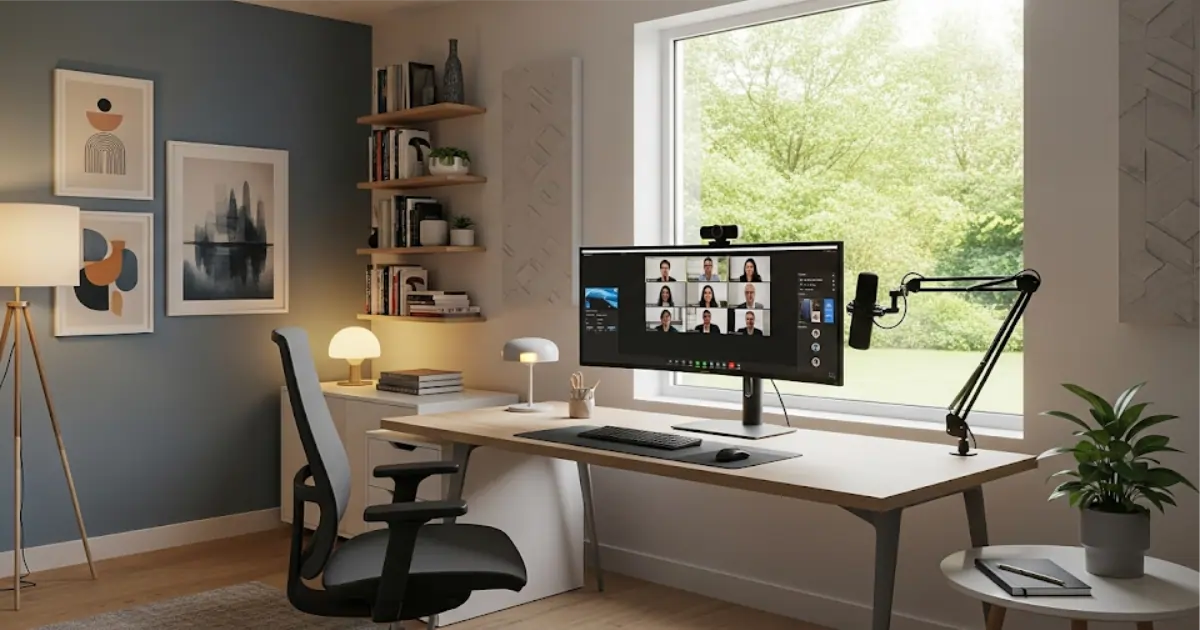 Designing a Space for Meetings and Calls | Vida Ideal Blog Shop
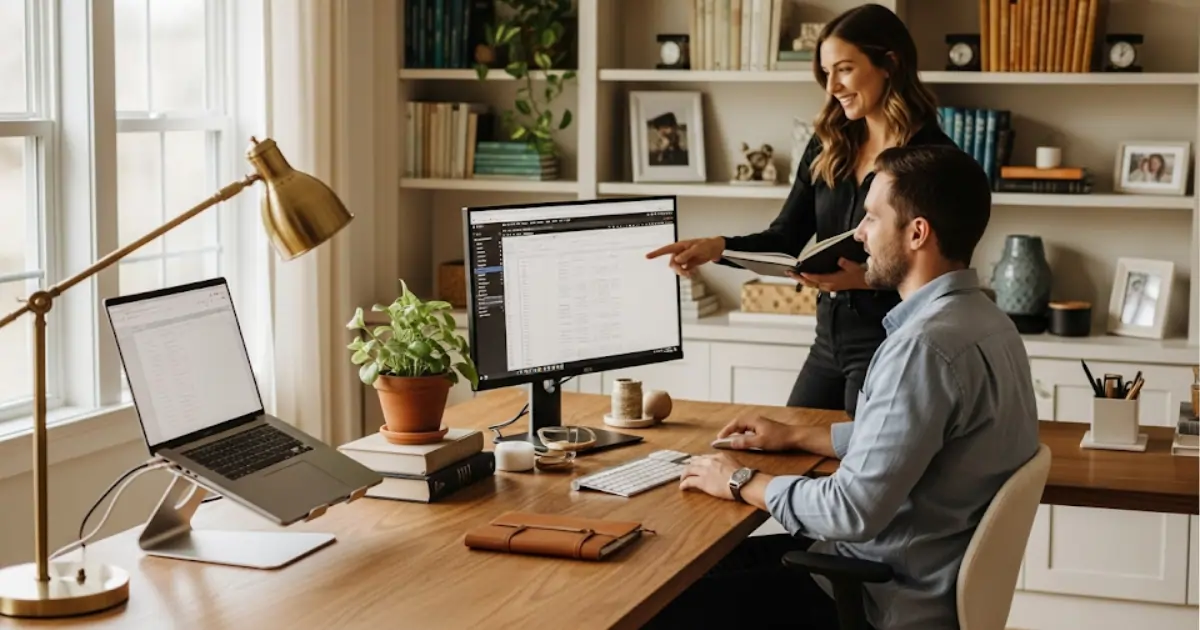 Home Office Organization | Vida Ideal Blog Shop
 Time Management and Productivity | Vida Ideal Blog Shop