
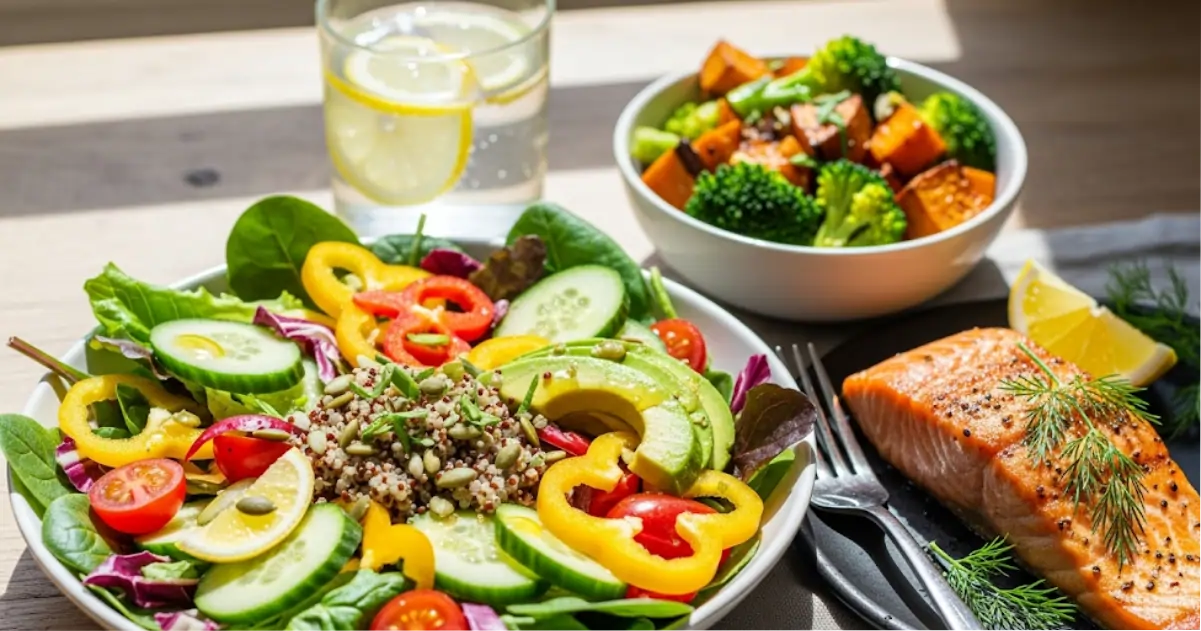
Healthy Eating: How to Transform Your Routine with Simple and Effective Practices
Adopting a healthy diet isn’t just a matter of appearance or a restrictive diet. It’s an investment in quality of life, longevity, and energy for everyday life. According to the World Health Organization (WHO), up to 80% of cardiovascular diseases and cases of type 2 diabetes could be prevented with simple changes in eating habits and lifestyle. This shows how what we put on our plates can be just as important as any medication. In this article, we’ll explore the fundamentals of healthy eating, providing statistics, practical examples, scientific studies, and actionable tips to transform your relationship with food in a natural and enjoyable way.
Why is healthy eating essential?
Food is the body's fuel. When balanced, it provides the nutrients needed to keep organs functioning, cells regenerating, and the immune system strong.
But the current situation is cause for concern: according to the IBGE (Instituto Brasileiro de Geografia e Estatística), more than half of the Brazilian population consumes ultra-processed foods daily—foods high in sugar, unhealthy fats, and sodium. This pattern is directly linked to rising rates of obesity, hypertension, and high cholesterol.
Therefore, adopting a healthy diet is an urgent necessity, not just an optional choice.
Principles of Healthy Eating
Healthy eating is one of the fundamental pillars of maintaining physical, mental, and emotional health. Following basic principles in this area doesn’t just mean restricting calories or avoiding certain foods, but rather adopting a balanced and sustainable lifestyle. The goal is to provide the body with all the nutrients it needs to function properly, thereby preventing disease and improving quality of life.
One of the core principles of healthy eating is variety. No single food, on its own, can meet all of the body’s nutritional needs. That’s why it’s important to include different food groups in your daily diet, such as fruits, leafy greens, vegetables, whole grains, legumes, lean proteins, and healthy fats. This variety ensures an adequate supply of essential vitamins, minerals, fiber, and antioxidants.
Another key point is balance. Eating well doesn’t mean completely cutting out foods considered less healthy, but rather consuming them in moderation. Excess—whether of sugars, saturated fats, or even proteins—can put a strain on the body. The secret lies in maintaining a proper balance of nutrients, without overindulgence or strict deprivation.
Food quality is also an essential factor. Choosing whole or minimally processed foods, such as fresh fruits, whole grains, and vegetables, should be a priority. On the other hand, ultra-processed foods—which are high in chemical additives, preservatives, salt, and sugar—should be avoided whenever possible. The more natural the food, the greater the health benefits.
Eating at regular intervals is another important principle. Eating at appropriate times and avoiding long periods of fasting helps keep your metabolism active, control hunger, and prevent binge eating. Ideally, you should eat three to six meals a day, tailoring your meals to your individual needs and paying attention to your body’s hunger and fullness cues.
Hydration is often overlooked, but it is essential for a healthy diet. Water plays a role in virtually every bodily process, such as digestion, nutrient absorption, temperature regulation, and toxin elimination. That is why maintaining an adequate daily fluid intake is just as important as choosing the right foods.
Another principle is mindful eating. Often, people eat on autopilot, distracted by screens or in stressful situations. The practice of eating mindfully—paying attention to flavors, textures, and the body’s signals—contributes to a healthier relationship with food and helps prevent overeating.
Nutritional needs must also be taken into account. Each person has different needs depending on their age, gender, level of physical activity, health status, and personal goals. Therefore, a healthy diet should be tailored to each individual, taking into account what is most appropriate for them.
Sustainability is a principle increasingly associated with healthy eating. Choosing locally sourced, seasonal, and responsibly produced foods contributes not only to individual health but also to environmental balance. Conscious eating can reduce environmental impacts and support regional production.
Healthy eating should be enjoyable and flexible. Eating well does not mean following restrictive diets or living in constant deprivation. The joy of eating, sharing meals, and trying new flavors is part of the process. When food is viewed as a source of nutrition and pleasure—rather than guilt—the path to lasting, healthy habits becomes much easier and more sustainable.
Variety
No single food contains all the nutrients we need. Eating a varied diet ensures nutritional balance.
Moderation
The problem isn't just what you eat, but how much you eat. Moderation prevents excess and avoids overburdening the body.
Naturalness
The less processed the food is, the better. Choose fresh and whole foods.
👉 Practical example: Swapping out soda for fresh juices or whole fruits is already a big step toward a healthier diet.
Food Groups and Their Benefits for a Healthy Diet
A healthy, balanced diet depends on the right combination of different food groups, since each one provides specific nutrients that are essential for the body to function properly. These groups include carbohydrates, proteins, fats, vitamins, minerals, fiber, and water. The synergy among them ensures energy, tissue maintenance, immune defense, and disease prevention.
Carbohydrates are the body’s main source of energy. Found in grains, bread, pasta, rice, potatoes, and fruits, they provide glucose, which is essential fuel for cell function—especially in the brain. When consumed in whole-grain forms, carbohydrates also provide fiber, which aids digestion and promotes a feeling of fullness.
As for proteins, their primary function is to build and repair body tissues. They are found in meat, eggs, milk, beans, lentils, and chickpeas. Proteins also play a role in the formation of hormones and enzymes, which are essential for metabolism. It is important to include both animal and plant-based proteins to ensure a diverse range of amino acids.
Lipids, often viewed as villains, play crucial roles. Found in olive oil, nuts, seeds, and fish, they provide long-lasting energy, aid in the absorption of fat-soluble vitamins (A, D, E, and K), and are essential for brain and heart health. A balanced intake of healthy fats helps protect against cardiovascular disease.
Vitamins make up another essential group. Each vitamin performs specific functions: vitamin C strengthens the immune system; the B-complex vitamins play a role in energy metabolism; and vitamin A is essential for vision and skin health. Since the body does not produce most of them, a varied diet is the main way to meet these needs.
Minerals are also essential. Calcium, found in dairy products and green vegetables, strengthens bones and teeth; iron, found in meats and legumes, is vital for transporting oxygen through the blood; magnesium and potassium regulate muscle and nerve functions. Even small amounts are sufficient, but a deficiency can cause serious health problems.
Dietary fiber, found mainly in fruits, leafy greens, vegetables, whole grains, and legumes, helps regulate bowel function and control cholesterol and blood sugar levels. In addition, it promotes a feeling of fullness, aiding in weight management and helping to prevent diseases such as type 2 diabetes and colon cancer.
Water, although often overlooked, is considered a vital component of the diet. It plays a role in virtually all bodily functions: transporting nutrients, regulating body temperature, eliminating toxins, and lubricating the joints. Staying well-hydrated is essential for maintaining the body’s balance.
It is important to note that no food group should be consumed in isolation. The synergy between them ensures that nutrients are better utilized. For example, the absorption of iron found in vegetables is enhanced when paired with foods rich in vitamin C, such as citrus fruits. This balance is the foundation of a healthy diet.
Food groups offer complementary benefits that, together, support health, energy, and well-being. A varied diet that includes a balanced amount of each food group is the best strategy for keeping the body functioning at its best and preventing disease in the long term. Eating well isn’t about exclusion, but rather about consciously incorporating all these elements.
Complex carbohydrates
These are slow-release energy sources. Examples: brown rice, sweet potatoes, oats.👉 Benefit: They prevent blood sugar spikes and keep you feeling full longer.
Lean proteins
Tissue formation and repair. Examples: chicken, fish, eggs, legumes.👉 Benefit: essential for muscles, skin, and the immune system.
Healthy Fats
Sources of energy and cellular protection. Examples: olive oil, nuts, avocados.👉 Benefit: They reduce inflammation and support cardiovascular health.
Vitamins and Minerals
They play a role in vital metabolic processes. Examples: various fruits and vegetables.👉 Benefit: They boost immunity and help prevent disease.
Practical Examples of Healthy Eating
Healthy eating may seem complicated, but in practice it consists of small daily choices that, when added up, make a big difference. Adopting balanced eating habits doesn’t mean giving up the pleasure of eating, but rather learning to plan meals and choose foods that promote energy, vitality, and disease prevention.
A practical example is breakfast. Instead of ultra-processed breads and sugary drinks, you can opt for whole-grain bread with white cheese, scrambled eggs, fresh fruit, and a natural beverage, such as orange juice or tea. This combination provides energy, fiber, and protein right at the start of the day.
For a mid-morning snack, a good option is to eat fruit along with nuts, such as Brazil nuts and walnuts. This combination provides vitamins, minerals, and healthy fats, and helps you stay full until your next meal, preventing you from snacking on processed foods.
Lunch is an opportunity to put together a balanced meal. A healthy example includes brown rice, beans, grilled chicken, a colorful salad (lettuce, carrots, tomatoes), and cooked vegetables. This meal provides high-quality carbohydrates, lean protein, fiber, and antioxidants. Small amounts of olive oil can be used as a dressing, adding healthy fats.
For an afternoon snack, plain yogurt with oats and fruit is an excellent choice. In addition to providing protein and calcium, it helps regulate bowel movements thanks to its fiber and probiotics. This practice prevents you from getting too hungry by dinnertime.
For dinner, it’s best to opt for lighter meals. A practical example would be vegetable soup with shredded lean meat or a hearty salad with leafy greens, chickpeas, tuna, and olive oil. This type of meal keeps you feeling full without overloading your digestive system before bedtime.
Another healthy habit is to stay hydrated throughout the day. Replacing sodas and artificial juices with water, herbal teas, or water flavored with slices of fruit is a simple way to look after your health and reduce your sugar intake.
Snack choices can also be adjusted. Instead of chips or filled cookies, you can make healthy sandwiches with whole-grain bread, turkey breast, white cheese, and leafy greens. This simple change makes for a more nutritious and balanced snack.
You don't have to cut out dessert, but you can replace it with healthier options, such as baked fruit with cinnamon, fruit salad, or even dark chocolate in small portions. That way, you can still enjoy something sweet without overdoing it on sugar.
A practical example of healthy eating is weekly meal planning. Planning your grocery shopping, preparing packed lunches, and having fruit washed and cut in advance makes it easier to make mindful choices. The following strategy helps you avoid last-minute decisions and reduces the likelihood of resorting to fast food or ultra-processed foods, making your daily routine easier and more nutritious:
- Breakfast: oatmeal with fruit and plain yogurt.
- Lunch: brown rice, beans, grilled chicken, and a colorful salad.
- Snack: a mix of nuts and a piece of fruit.
- Dinner: vegetable soup with lean protein.
👉 Case study: The Harvard School of Public Health tracked 120,000 people for more than 20 years and concluded that diets rich in fruits, vegetables, and whole grains can increase life expectancy by up to 14 years.
Challenges of Healthy Eating
Lack of time
Many people turn to fast food for convenience.👉 Solution: Prepare healthy packed lunches for the week.
Costs
There’s a myth that eating well is expensive.👉 Solution: Prioritize seasonal foods and shop at local farmers’ markets.
Resistance to Change
Changing habits takes patience.👉 Solution: Start slowly, replacing one food at a time.
Practical Applications
Weekly Planning
Set aside a few hours to prep food, chop vegetables, and pack lunchboxes.👉 Suggested infographic: “How to Plan Healthy Meals for the Week.”
Conscious Shopping
Make a shopping list focused on natural foods, and don't go to the grocery store when you're hungry.
Mindful Eating
Practicing mindfulness while eating helps you enjoy your food more and prevents you from overeating.
The Role of Healthy Eating in Productivity
Studies show that people who follow a balanced diet are up to 20% more productive at work. This is because nutrients such as iron, magnesium, and B vitamins directly influence focus and energy levels.
👉 Practical example: Replacing that ultra-processed afternoon snack with a piece of fruit and some nuts can help keep your energy levels steady until the end of the workday.
Healthy Eating as a Lifestyle
Adopting a healthy diet is much more than just following fad diets. It’s a conscious choice to take care of your body, mind, and longevity. Small changes made today lead to lasting results in the future. Remember: there’s no such thing as perfection, but there is consistency. Eating well is an act of self-care and an investment in yourself.
See Also
Comments
Loading comments…
See also
 Batch Cooking: How to Prepare All Your Meals for the Week in Just a Few Hours | Vida Ideal Blog Shop
 Daily Walk: Transform Your Physical and Mental Health One Step at a Time | Vida Ideal Blog Shop
 Healthy and Easy-to-Make Recipes | Vida Ideal Blog Shop
 Smart Freezer for Food Storage | Vida Ideal Blog Shop
 A Functional Kitchen for Healthier Eating Habits | Vida Ideal Blog Shop
 Natural Herbs and Spices | Vida Ideal Blog Shop
 Organizing Your Pantry for Healthy Eating | Vida Ideal Blog Shop
 Mindful Eating: Relearning How to Eat | Vida Ideal Blog Shop
 Balanced Diet | Vida Ideal Blog Shop