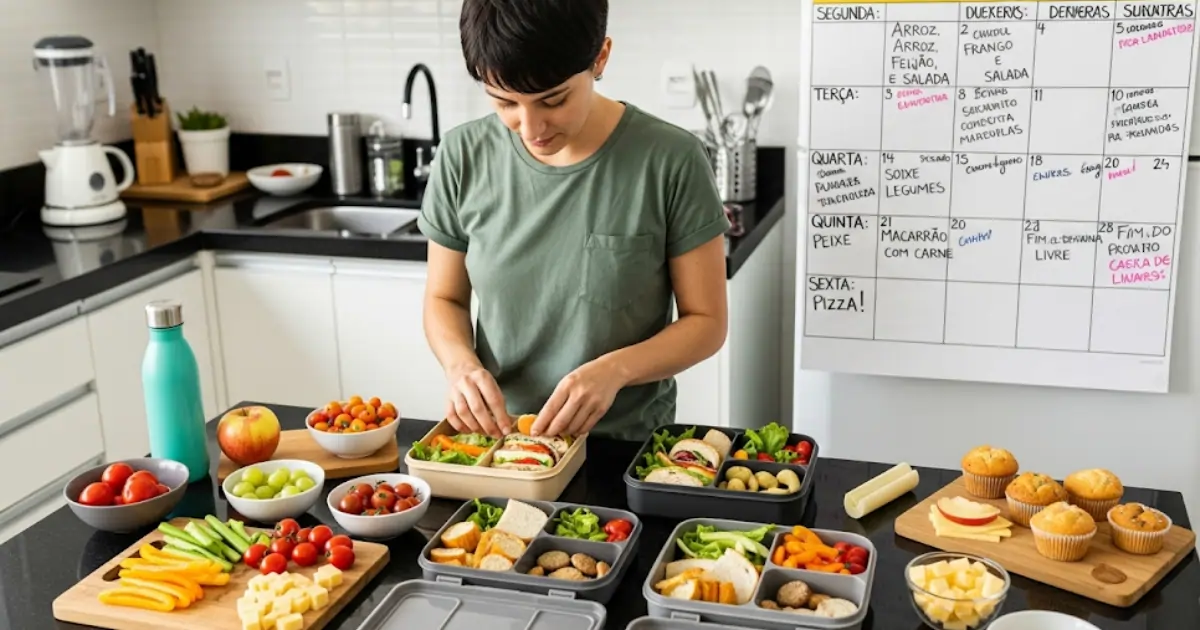
Healthy Meal Prep for the Whole Week
The hustle and bustle of modern life often leads us to make unhealthy food choices. We opt for fast food, quick snacks, and ultra-processed foods simply because we lack time or planning. But there’s a simple and effective solution to change this situation: preparing healthy packed lunches for the week. In addition to saving time, this practice ensures a more balanced diet, prevents food waste, and helps you better control what you eat. In this comprehensive guide, you’ll learn how to put together nutritious and delicious packed lunches, from planning to proper storage.
Why prepare healthy packed lunches?
Cost savings
Buying ready-made meals every day can cost up to 4 times as much as preparing your own food.
Better Health
You control the ingredients, quantities, and preparation methods, avoiding excessive amounts of fat, sugar, and salt.
Organization
Having meals ready reduces stress and indecision about what to eat.
Planning: The First Step Toward Healthy Packed Lunches
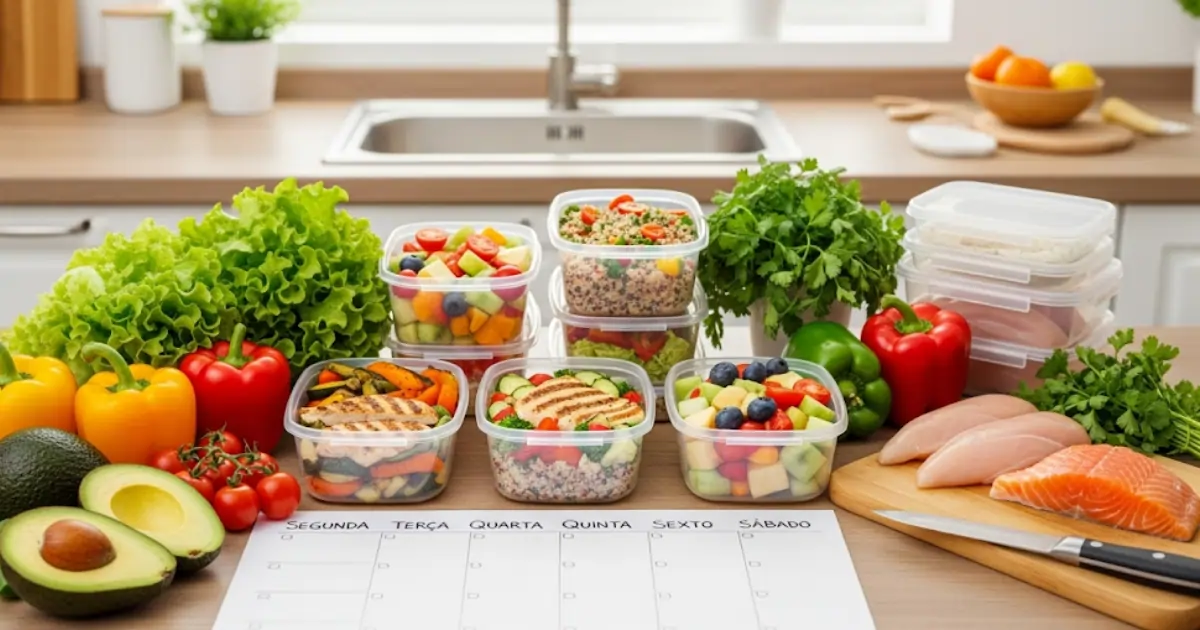
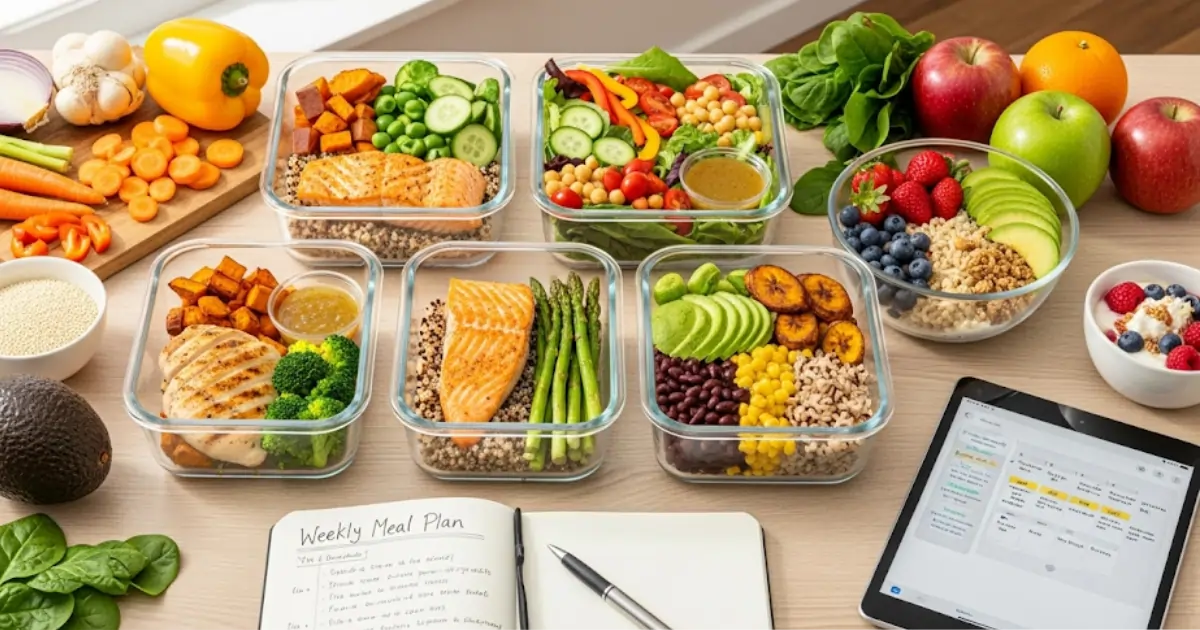
The secret to packing healthy lunches begins long before you put the food in the containers: it’s all about planning. When you decide in advance what you’re going to eat during the week, you avoid last-minute improvisations and ensure balanced, tasty, and varied meals. This initial step helps reduce daily stress and also contributes to maintaining healthier eating habits, since choices are made calmly and thoughtfully, rather than in a hurry.
Good planning involves thinking about your healthy packed-lunch menu in advance, taking into account both nutritional value and convenience. It’s important to include proteins, carbohydrates, vegetables, and healthy fats in appropriate proportions to create balanced meals. Additionally, varying the ingredients throughout the week prevents monotony and encourages the consumption of a variety of nutrients. Small adjustments to seasonings and combinations also help transform the same ingredients into several different recipes.
Another key point is to organize your shopping list based on the menu you’ve set for your healthy packed lunches. That way, you’ll buy only what you need, avoiding waste and saving money. Going to the grocery store or farmers’ market already knowing exactly what you need reduces the chances of buying items on impulse and ensures that everything in your kitchen serves a clear purpose when preparing your packed lunches.
Your planning should also take into account the time you have available to prepare healthy meals. Preparing all your meals in a single day—as in the batch cooking method—can be more efficient for those with a busy schedule. For others, however, it may be easier to cook two or three times a week, ensuring that meals are always fresh. The key is to tailor your strategy to your own situation.
Thinking about storage is another detail that’s part of planning healthy packed lunches. Using appropriate containers—preferably glass or BPA-free—and portioning the food correctly prevents it from spoiling or losing its flavor and texture. In addition, it’s essential to plan which meals will be refrigerated and which will go in the freezer, to ensure they stay fresh without compromising quality.
When planning meals, it’s also worth remembering to balance simple recipes with others that are a little more elaborate, so you don’t fall into the trap of always eating the same thing. For example, grilled chicken can be served with brown rice and broccoli one day, and on another day, it can be shredded and seasoned to serve as a filling for a wrap. This kind of creativity is easier when you’ve already thought about the combinations in advance.
Another benefit of planning healthy packed lunches is the time saved throughout the week. When meals are already prepared, all you have to do is heat them up and serve them, eliminating the daily work of chopping, seasoning, and cooking. This frees up time for other activities and helps you maintain a healthy eating routine even on the busiest or most exhausting days.
Planning healthy packed lunches means taking better care of yourself. It’s a habit that positively impacts your health, your wallet, and your daily routine, offering convenience without sacrificing quality. When meals are planned in advance, each one becomes a conscious choice rather than just a last-minute solution. And that, ultimately, is the real secret to successful packed lunches.
Set Your Goals
- Weight loss
- Muscle mass gain
- Health Maintenance
Choose a menu
Think of 3 to 5 main options that can be mixed and matched.
Make a shopping list
Organize by category to save time at the grocery store.
💡 Tip: Choose versatile foods that go well together.
Putting Together the Perfect Healthy Meal Prep
The ideal distribution of macronutrients in healthy meal prep containers is the key to ensuring balanced and nutritious meals. Each of the macronutrients—carbohydrates, proteins, and fats—plays an essential role in the body’s functioning, and strategically combining them helps maintain steady energy levels, promote satiety, and support long-term health. A well-planned meal should take into account both individual needs and goals, such as weight maintenance, muscle gain, or fat loss.
Carbohydrates are the body’s main source of energy, especially for the brain and physical activity. In a packed lunch, they can come in the form of brown rice, sweet potatoes, cassava, quinoa, whole-grain pasta, or legumes. The general recommendation is that carbohydrates account for 45% to 55% of a meal’s total calories, but this proportion may vary depending on each person’s level of physical activity and metabolism. Prioritizing complex carbohydrates helps maintain stable energy levels for longer.
Proteins are essential for maintaining and building muscle mass, in addition to playing a role in the body’s repair and strengthening processes. When it comes to packed lunches, good sources of protein include chicken, fish, eggs, lean beef, tofu, chickpeas, and lentils. In general, protein should account for between 20% and 30% of a meal’s caloric content. A visually appropriate portion is usually about the size of the palm of your hand, which makes it easy to portion out without needing a scale.
Fats, which are often misunderstood, are essential for vitamin absorption, hormone production, and cell protection. Healthy sources of fat, such as olive oil, avocados, nuts, and seeds, can make up 20% to 35% of a meal’s calories. Including this macronutrient in moderation in your packed lunch not only contributes to overall health but also increases feelings of fullness and enhances the flavor of your meals.
Balancing these three macronutrients on the same plate helps prevent blood sugar spikes and sudden drops in energy throughout the day. A good visual guide is to use the “ideal plate”: half of it filled with a variety of vegetables, one-quarter with a protein source, and one-quarter with carbohydrates. Healthy fats can be added as seasonings, sauces, or side dishes. This approach makes it easy to put together a meal without the need for complex calculations.
In addition to proportion, the quality of macronutrients is key to healthy packed lunches. Refined carbohydrates, such as excessive amounts of white rice or regular bread, can be replaced with whole-grain versions to provide fiber and prolong satiety. Processed proteins, such as deli meats, should be avoided in favor of lean, fresh cuts. And when it comes to fats, it’s important to avoid fried foods and low-quality oils, opting instead for natural, minimally processed sources.
The ideal balance in healthy meal prep also needs to take into account your daily routine and personal goals. For example, someone who works out right after lunch may need a higher amount of carbohydrates in that meal to have energy during exercise. On the other hand, someone who spends a lot of time sitting after eating may benefit from more vegetables and protein to stay full without consuming too many calories. Self-awareness is just as important as nutritional guidelines.
For those who prepare several healthy meals in advance, it’s a good idea to maintain the same ratio of macronutrients but vary the foods within each group. This way, throughout the week, the body receives different combinations of vitamins, minerals, and antioxidants, while also avoiding dietary monotony. This can be done by switching up the type of protein every two days, alternating carbohydrate sources, and varying the salads and vegetables.
Another point to consider is the presence of fiber, which is not a macronutrient but directly affects the absorption of carbohydrates and fats. By including raw or cooked vegetables and legumes, you improve digestion and keep blood sugar levels more stable. This strategy makes the meal more complete and beneficial for gut health.
How food is prepared also affects the quality of its macronutrients. Steaming, grilling, baking, or lightly sautéing preserves nutrients and avoids excess unhealthy fats. At the same time, natural seasonings such as herbs, garlic, lemon, and spices can enhance the flavor without the need to increase salt or add processed sauces.
Maintaining a consistent macronutrient ratio makes it easier to manage your eating throughout the day. This helps prevent overeating at other meals, since the body tends to feel more satisfied and experience fewer hunger spikes. For those pursuing specific goals, such as weight loss or muscle gain, adjusting the portions in each meal can make a significant difference in the results.
The ideal distribution of macronutrients in healthy packed lunches strikes a balance between proportion, quality, and suitability for your lifestyle. By adhering to these three pillars, you ensure that your meals are complete, tasty, and functional—nourishing your body efficiently and helping you maintain healthy habits over the long term. This attention to detail transforms the packed lunch from something merely practical into a powerful ally for health and well-being.
Break it down by macronutrients
Recommended ratio
- 50% vegetables
- 25% protein
- 25% carbohydrates
Preparation Techniques
Cook in batches
Use the concept of batch cooking to save time.
Vary the seasonings
Changing the seasonings alters the flavor even when using the same basic ingredients.
Try different cooking methods
- Roast
- Grilled
- Steamed
- Sautéed
Practical Weekly Meal Plans
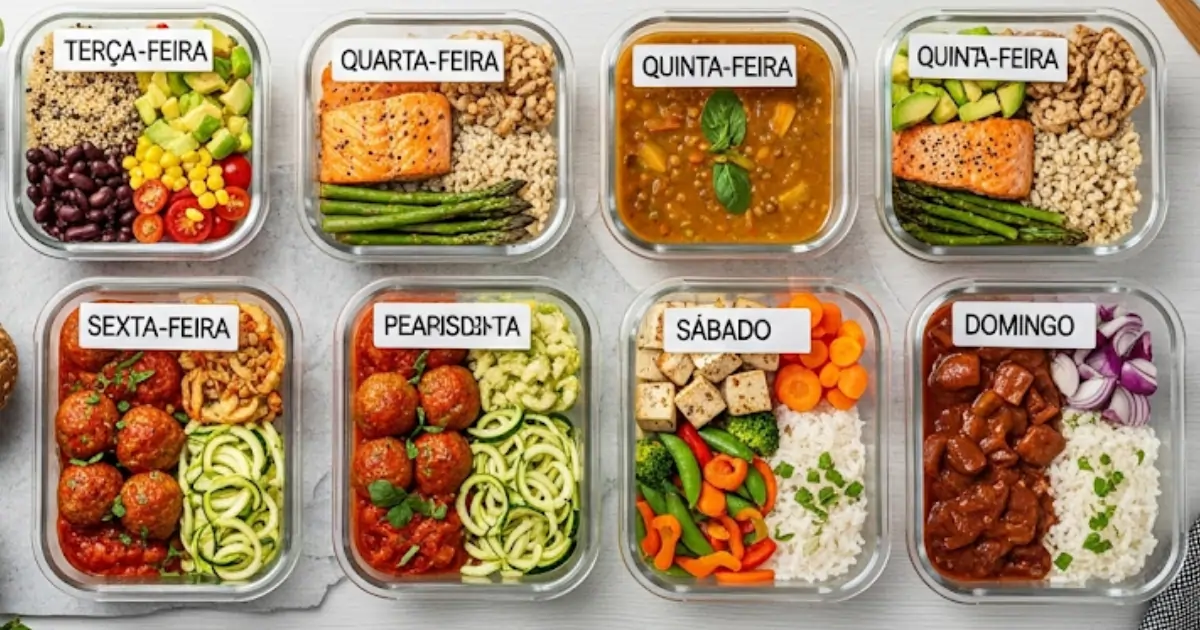
Example 1 – Focus on Energy
- Monday: grilled chicken + roasted sweet potatoes + steamed broccoli
- Tuesday: Baked tilapia + brown rice + sautéed zucchini
- Wednesday: vegetable omelet + quinoa + green salad
- Thursday: stewed lean meat + mashed arracacha + sautéed collard greens
- Friday: cooked chickpeas + brown rice + colorful salad
Example 2 – Low-carb
- Monday: shredded chicken + roasted cauliflower + green salad
- Tuesday: grilled salmon + zucchini + spinach
- Wednesday: scrambled eggs + grilled eggplant + collard greens
- Thursday: lean ground beef + stuffed bell peppers + broccoli
- Friday: chicken curry + sautéed cabbage + cucumber salad
Proper Storage
In the refrigerator:
- Full meals: up to 3 days
- Sauces: up to 4 days
In the freezer:
- Cooked meat: up to 3 months
- Blanched vegetables: up to 2 months
Food safety
- Use airtight containers
- Never freeze raw salads (it's better to prepare them fresh)
- Let the food cool before closing the container and storing it
Common Mistakes and How to Avoid Them
Useful Tools and Utensils
- Glass containers: They don't absorb odors and are microwave-safe
- Labels: Identify the contents and the date of preparation
- Multifunctional cookware: saves space and time
Packing healthy meals is a powerful habit that can transform your eating routine. With organization, smart ingredient choices, and proper storage, you’ll have more free time, better health, and lower expenses.
See Also
Comments
Loading comments…