Healthy Meal Planning
Have you already decided you want to eat better, but in the rush of everyday life, do you always end up ordering takeout or resorting to fast food? Planning healthy meals is the bridge between intention and action. By planning in advance what you’ll eat during the week, you can:
- Save time
- Avoid food waste
- Stay consistent with your healthy habits
- Save money
According to a study in the International Journal of Behavioral Nutrition and Physical Activity, people who plan their meals are 15% more likely to maintain balanced eating habits and reduce their consumption of ultra-processed foods by 25%.
Why is weekly meal planning essential?
Time and energy savings
Planning your weekly menu allows you to:
- Make a single, well-planned purchase
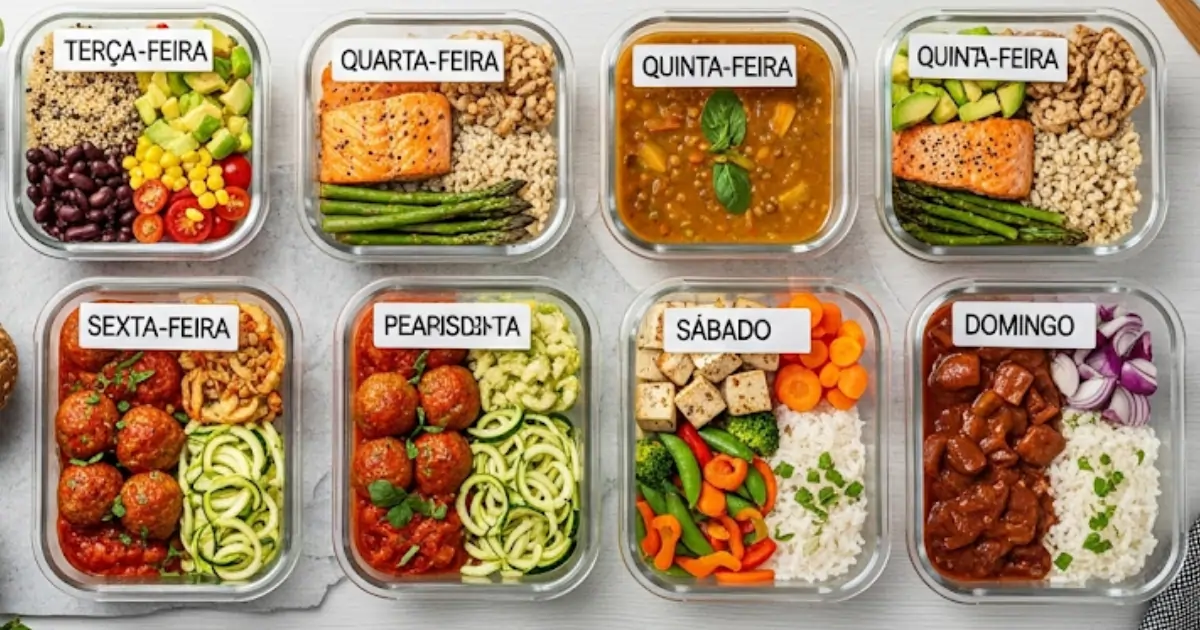
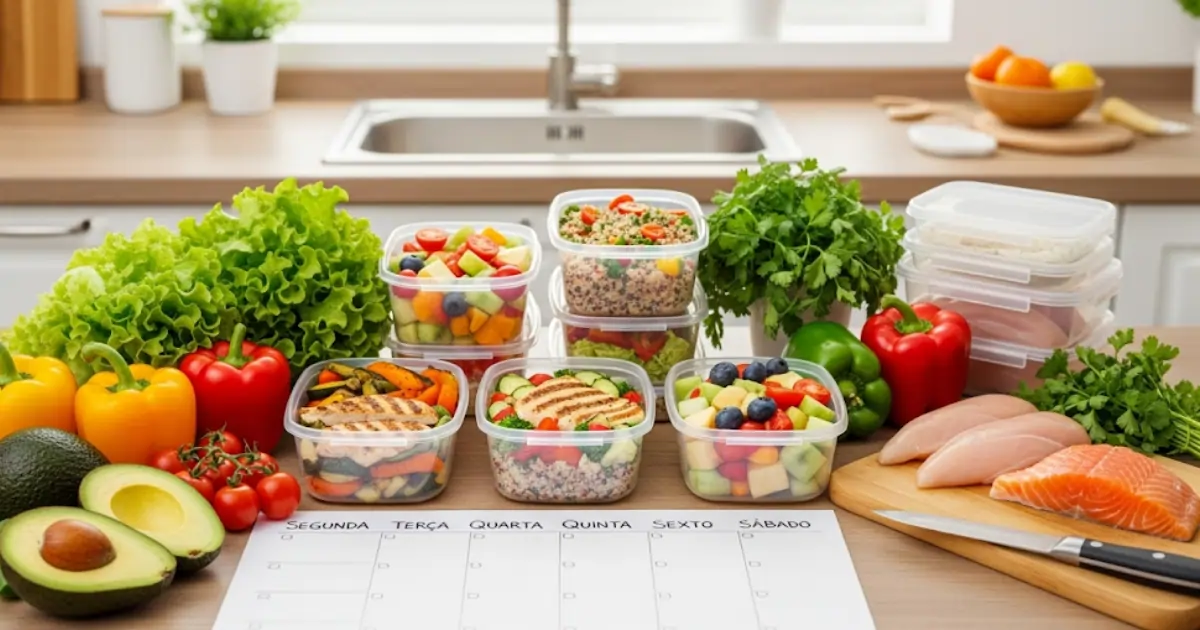
- Prepare food in blocks of time (batch cooking)
- Simplify daily decisions to reduce mental stress
Nutritional control
With a set menu, it’s easier to:
- Ensure you eat fruits, vegetables, and lean proteins
- Avoid excessive calorie intake and dietary imbalances
- Incorporate a variety of nutrients without getting bored
Financial savings
Planning ahead helps prevent impulse purchases and food waste.
A Step-by-Step Guide to Planning Healthy Meals
Planning healthy meals is essential for anyone seeking to maintain a balanced diet and take care of their health on an ongoing basis. When you plan your meals in advance, your food choices tend to be more mindful, helping you avoid impulsive decisions, such as turning to fast food or ultra-processed foods. In addition, planning what to eat throughout the week helps ensure variety and the inclusion of all the food groups necessary for the body to function properly.
Good planning for healthy meals starts with determining the main meals of the day: breakfast, lunch, dinner, and, if necessary, snacks in between. The idea is to spread out your nutrient intake throughout the day, keeping your body nourished and energized. This helps prevent hunger spikes and, consequently, overeating in a single meal. Having a weekly meal plan makes it easier to see the balance between vegetables, greens, proteins, carbohydrates, and healthy fats.
Another important aspect of healthy meal planning is the shopping list. Based on your planned menu, you can go grocery shopping with a clear purpose, avoiding waste and impulse buys. This practice also helps with financial management, since healthy foods can be bought in larger quantities and used in a variety of ways throughout the week. In addition, whole and minimally processed foods are usually cheaper than industrialized options.
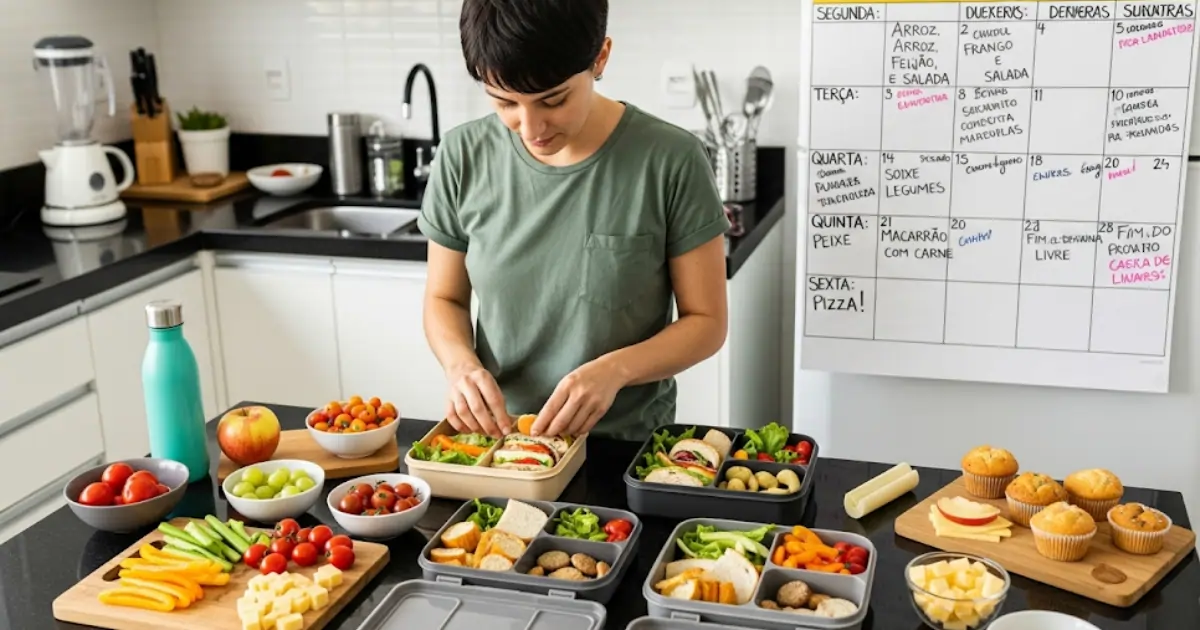
Cooking at home is key to planning healthy meals. When you prepare your own food, you can control the amount of salt and oil and avoid chemical additives. Preparing meals in advance—such as packed lunches or frozen meals—can be an excellent strategy for busy days, ensuring convenience without sacrificing nutritional quality.
Another important point is adapting to individual needs. Each person has a lifestyle, routine, and preferences that must be taken into account. Planning healthy meals doesn’t mean following a strict diet, but rather organizing your menu in a balanced and enjoyable way. This makes the habit sustainable in the long run and prevents the yo-yo effect, which is common with very restrictive diets.
In addition to the physical benefits, meal planning contributes to emotional well-being. Eating well directly influences mood, concentration, and sleep quality. By avoiding excess sugar and unhealthy fats, the body functions better, promoting energy and a feeling of lightness. Consistent practice helps develop a more positive relationship with food.
Involving the family in planning healthy meals can be a way to strengthen family bonds and foster a healthier eating culture at home. Encouraging the consumption of fruits, vegetables, and home-cooked meals from an early age increases the likelihood of a balanced diet in adulthood. In addition, preparing recipes together can be a time for fun and learning.
It’s important to remember that planning healthy meals doesn’t have to be rigid. It can (and should) include moments of flexibility, such as a special meal on the weekend or an occasional treat. The key is balance. When you plan mindfully, you can enjoy food in a way that’s both pleasurable and healthy, promoting a better quality of life in every way.
Step 1: Evaluate your routine
- How many meals a day do you eat at home?
- Do you need to bring packed meals to work?
- Are there any family meals or scheduled events?
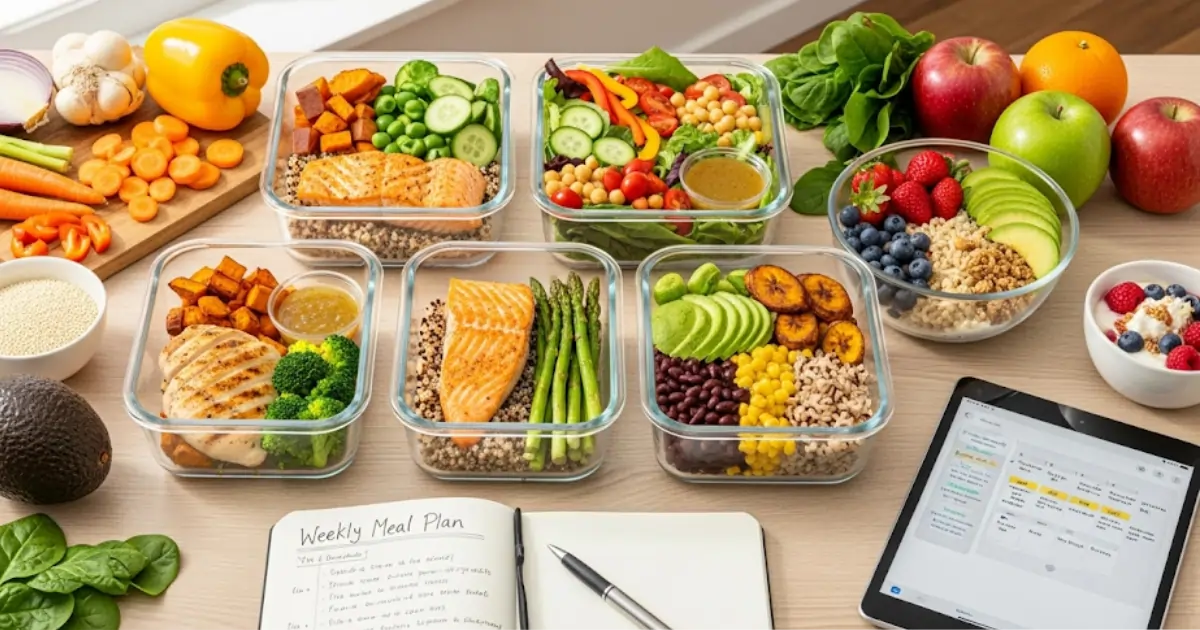
Step 2: Plan your weekly menu
- Breakfast: Practical and Nutritious Options
- Lunch and dinner: lean protein + whole-grain carbohydrates + vegetables
- Snacks: fruit, nuts, yogurt, or homemade snacks
Step 3: Make a smart shopping list
- Organize by category: fruits and vegetables, proteins, dairy products, grains, frozen foods
- Prioritize seasonal foods for freshness and savings
- Include versatile foods (eggs, cooked grains, shredded chicken)
Step 4: Set aside a day for batch cooking
- Wash, cut, and store vegetables in portions
- Cook legumes (beans, lentils, chickpeas) and freeze them
- Prepare protein in batches (chicken, lean meat, fish)
- Make bases for sauces or natural seasonings
Strategies for Maintaining Variety and Flavor When Planning Healthy Meals
Ingredient Rotation
- Try different spices and sauces to vary the flavors
- Vary your protein and grain sources
Versatile Recipes
- Stuffed Omelets
- Salads in a jar
- Meal-prep portions with a variety of roasted vegetables
- Smoothies or overnight oats for breakfast
Creative Ways to Use Leftovers
- Brown rice becomes baked rice balls
- Shredded chicken can be used in salads, wraps, or as omelet fillings
- Cooked vegetables can be made into purees or soups
Food Storage and Preservation
Proper food storage and preservation are essential to ensuring food quality, safety, and shelf life. When food is stored under the right conditions, losses due to spoilage, contamination, and waste are prevented. This practice is especially important as part of a healthy, planned eating routine, where each item plays an essential role in the weekly menu.
Refrigeration is one of the most common ways to preserve food. Refrigerators and freezers help keep temperatures low, slowing the growth of microorganisms that cause food to spoil. However, care must be taken with how these appliances are organized internally. Raw foods should be kept separate from cooked foods, and items such as meat and fish should be stored on the lower shelves to prevent liquids from contaminating other products.
The ideal storage temperature varies depending on the type of food. Dairy products, for example, should be kept between 1°C and 4°C, while frozen foods must be stored at -18°C or lower. Vegetables and fruits require specific care—some varieties need to be refrigerated, while others keep best at room temperature in cool, well-ventilated places. Understanding these differences prevents products from ripening too quickly or drying out.
Using airtight containers and appropriate packaging also makes all the difference. Well-sealed glass or BPA-free plastic containers prevent contact with air and extend the shelf life of food. For dry goods, such as grains and flours, it’s important to store them in dry places, away from direct light and moisture, to prevent the growth of mold and pests.
Another useful tip for planning healthy meals is to freeze prepared or portioned foods. Vegetables can be blanched (quickly immersed in boiling water and then cooled) before freezing, which preserves their color, flavor, and nutrients. Ready-made meals, on the other hand, should be divided into individual portions to make them easier to eat and to avoid thawing large, unnecessary quantities.
Labeling is an often-overlooked but extremely useful step in planning healthy meals. Marking the date of preparation and the contents of each container or package helps organize consumption, preventing forgotten items and premature disposal. This is especially important for frozen meals or leftovers. The “first in, first out” rule also helps ensure an efficient rotation of stored food.
In addition to physical preservation, it’s important to pay attention to nutritional value. Even if a food looks good, improper storage can compromise its nutrients. For example, excessive exposure to heat and light can reduce the vitamin content of some vegetables. Maintaining a routine of checking and cleaning your cabinets and refrigerator also prevents cross-contamination and the accumulation of expired food.
Sustainable food storage practices, such as using wax wraps, reusable bags, and glass jars, help reduce the use of single-use plastic and promote more mindful consumption. Proper food storage is not just a matter of health, but also of environmental responsibility and making the most of the food we buy.
Containers and packaging that are ideal for healthy meal planning
- Glass containers with airtight lids for longer shelf life
- BPA-free plastic containers for freezing
- Zip-top bags for individual portions
Storage Guidelines for Healthy Meal Planning
Organizing the Refrigerator
- Top shelves: ready-to-eat foods
- Middle shelves: everyday foods
- Drawers: sanitized fruits and vegetables
Case Study: Carlos, 35, engineer
Scenario
Carlos ate out every day, felt tired, and noticed weight gain.
Changes Applied
- Weekly meal plan for 5 lunches and 3 dinners
- Batch cooking on Sundays and freezing in portions
- Using insulated lunch boxes to bring food to work
Results in 2 months
- A monthly reduction of R$ 600.00 in takeout spending
- Loss of 3 kg without a restrictive diet
- More energy to exercise and work
Checklist for Weekly Healthy Meal Planning
- Review your weekly routine before planning the menu
- Create a varied menu based on whole foods
- Create a shopping list organized by category
- Set aside a day for food prep
- Store in suitable, labeled containers
- Reuse leftovers creatively
- Adjust the menu monthly to maintain variety
Planning healthy meals transforms your relationship with food and with time. It allows you to eat better, spend less, and live with more energy—without relying on last-minute meals or fast food. Start simple: plan for 3 days, then 5, then 7. In just a few weeks, cooking and eating well will become a natural part of your routine.
See Also
Comments
Loading comments…