
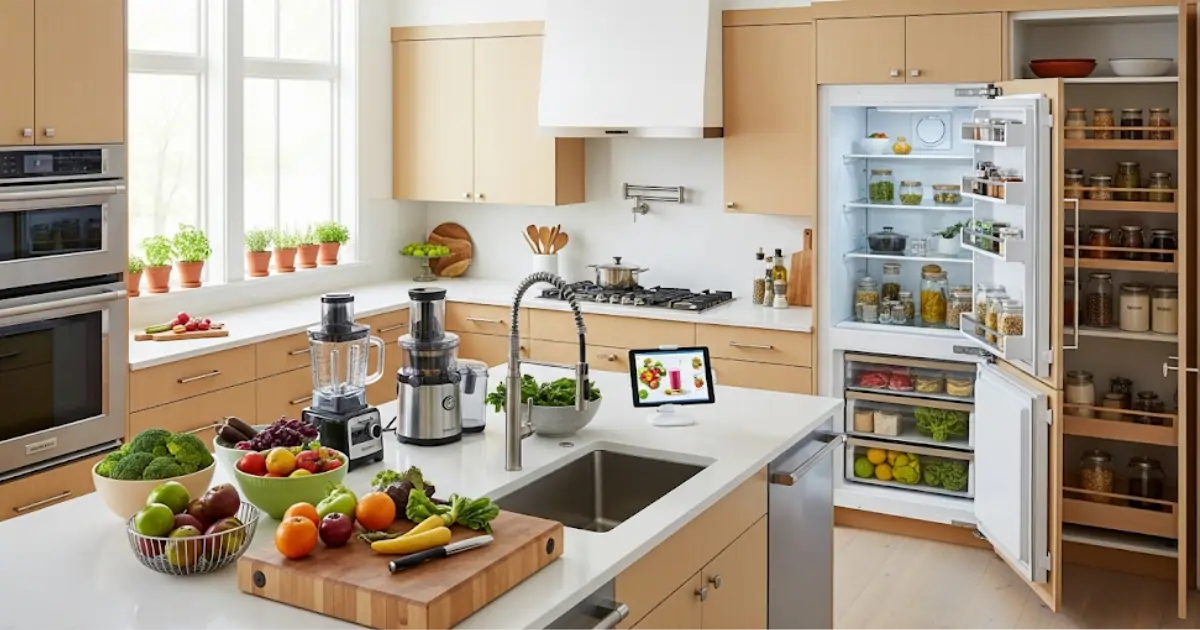
A Functional Kitchen for Healthier Eating Habits
Do you want to eat better, but every time you walk into the kitchen, you feel stuck, lost, or discouraged? Maybe the problem isn’t the ingredients, but the environment where it all happens. A functional kitchen isn’t just beautiful—it’s designed to make healthy choices easier, cut down on prep time, and boost your motivation to cook. By transforming your kitchen into a functional space, you’ll also transform your relationship with food and your health.
What is a functional kitchen?
A functional kitchen is one that combines organization, accessibility, ergonomics, and practicality, with the goal of making your cooking routine easier. It should allow you to:
- Find everything easily
- Cook efficiently and safely
- Reduce waste
- Encourage the preparation of healthy meals
How does a functional kitchen influence eating habits?
As both a physical and symbolic space in the home, a functional kitchen has a major influence on the eating habits of those who use it. It can encourage healthy choices or, conversely, favor ultra-processed foods and unstructured meals. The way it is organized, equipped, and decorated directly affects residents’ eating behavior, often in subtle and unconscious ways.
One of the key factors is food accessibility. A functional kitchen with well-organized shelves, clean refrigerators, and visible pantries tends to encourage the preparation of home-cooked meals. When fruits, vegetables, and fresh foods are within sight and reach, the likelihood of consuming them increases. Conversely, cabinets full of treats hidden in eye-catching packaging also influence impulsive choices.
Another important point is the kitchen’s layout and functionality. A well-planned space, with adequate room for chopping, cooking, and storage, encourages the habit of preparing meals at home. This contributes to a more mindful, nutritious, and economical diet. On the other hand, cramped, poorly lit, or disorganized kitchens can make cooking tiring or even stressful, discouraging people from cooking at home.
The availability of kitchen appliances also shapes habits. For example, microwaves and air fryers can be helpful in quickly preparing healthy meals if used creatively, but they can also encourage the consumption of processed frozen foods. Similarly, blenders and food processors can encourage the consumption of fresh juices and whole-grain dishes, while the absence of these appliances limits those possibilities.
In addition to the appliances, the emotional atmosphere of a functional kitchen matters. A kitchen that feels welcoming, with pleasant lighting and inviting decor, can become a space for togetherness and affection. This tends to enhance mealtime and encourage more mindful eating habits, such as cooking as a family, sharing recipes, and savoring food mindfully.
Hygiene and organization also influence what we eat. Clean, well-maintained kitchens boost confidence in food preparation and reduce waste. When everything is in order, it’s easier to see what ingredients are available, plan meals, and avoid unnecessary purchases—all of which directly influence the quality of meals throughout the week.
There’s also the psychological aspect: a chaotic kitchen can cause anxiety and lead to eating out of impulse or for emotional comfort. The simple fact of not being able to find a pot or seeing a pile of dirty dishes can discourage people from preparing healthy meals, leading them to choose quicker alternatives, such as fast food or takeout.
A functional kitchen is much more than just a place to cook: it reflects—and also drives—a household’s eating habits. By taking care of this space—organizing, adapting, and making it more welcoming—it is possible not only to transform our relationship with food but also to promote better health, enjoyment, and well-being in our daily eating habits.
According to a study published in the Harvard Public Health Review, people who cook frequently are 34% less likely to become obese and consume, on average, 30% fewer ultra-processed foods. However, cooking frequently depends on having an environment that’s conducive to it. A functional kitchen removes barriers that lead to “ordering takeout” and makes it easier to make mindful choices:
Examples of direct impact:
- If the cutting board is hard to pick up, you'll avoid cutting vegetables
- If the blender is tucked away at the back of the cabinet, you won't make your morning smoothie
- If healthy foods aren't in plain sight, you'll forget about them
Planning: The First Step Toward a Functional Kitchen
Assessment of Available Space
Even small kitchens can be functional. The secret lies in making the most of vertical space, minimizing excess, and ensuring easy, strategic access.
Define functional zones
- Prep area: countertop, knife, cutting boards, seasonings
- Cooking area: stove, pots, wooden spoons
- Storage area: refrigerator, pantry, containers
- Dishwashing area: sink, dish rack, trash can
Establish clear routines
- Weekly Check of Perishable Foods
- Quick cleanup after use
- Product rotation to prevent waste
Organization and Visibility: How to Make It Easier to Use Healthy Foods in a Functional Kitchen
Everything in plain sight, everything within reach
- Easy-to-reach fruit bowls on the countertop
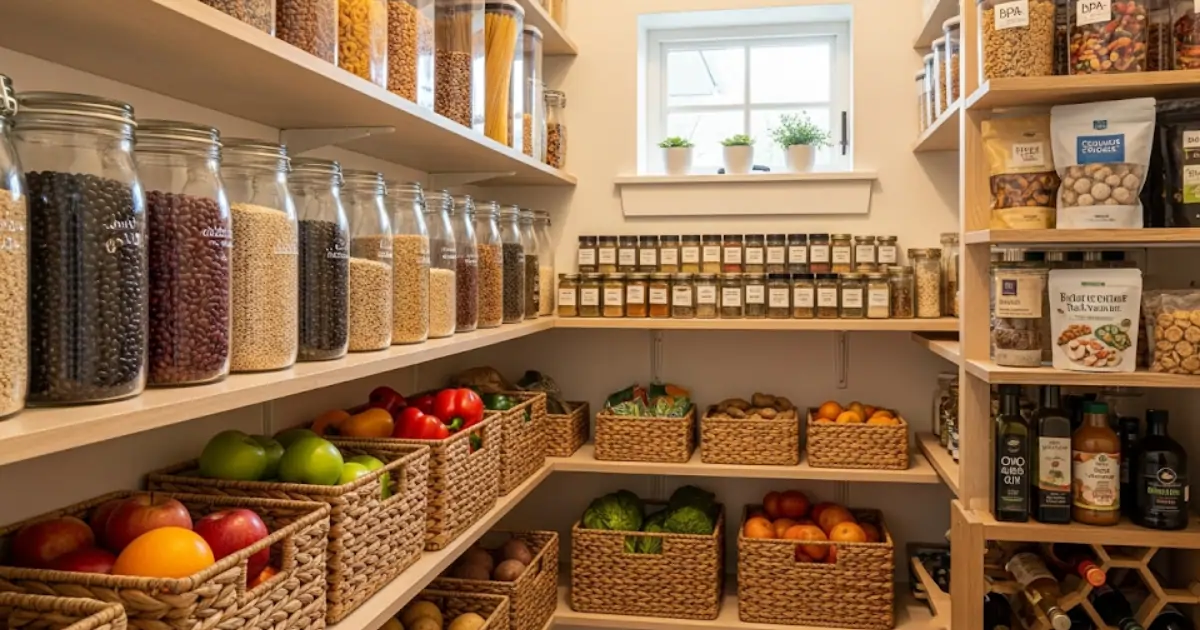
- Natural seasonings in clear jars
- Organized and labeled jars (to avoid buying duplicates)
Smart Storage
- Use stackable, clear, BPA-free containers
- Drawers with dividers for utensils
- Adjustable shelves for easy viewing
The best kitchen tools for convenient and healthy cooking
Having the right kitchen tools in a functional kitchen makes all the difference when the goal is to cook conveniently and maintain a healthy diet. Well-chosen items help optimize time, preserve the nutrients in food, and avoid excessive use of fat or processed foods. In addition, they make it easier to prepare home-cooked meals, making your daily eating routine simpler and more efficient.
Good-quality nonstick pans are important allies. They allow you to cook with little or no oil, which promotes lighter and healthier meals. Ceramic, stainless steel, or enameled cast-iron models are also good options, as they distribute heat evenly and last a long time when properly cared for. Teflon pans, however, should be used with caution, especially when worn, as they can release substances that are harmful to your health.
Air fryers have become increasingly popular as a quick and convenient way to bake, grill, or brown food without oil. With an air fryer, you can prepare everything from crispy vegetables to meats and homemade bites while preserving flavor and reducing calories. Besides saving time, this appliance helps vary the menu without resorting to traditional frying.
Steaming is another cooking method that preserves the nutrients in food, especially vegetables. That’s why kitchen tools like a steamer or a simple stainless-steel basket for use inside regular pots are great investments. They’re ideal for anyone looking for more nutritious and easily digestible meals, without the need to add fat.
Blenders and food processors make it easy to incorporate fruits, vegetables, and seeds into your daily routine. With them, you can prepare fresh juices, smoothies, spreads, pâtés, and even homemade doughs with whole-grain ingredients. For those who value convenience, a hand blender is also an excellent tool—it takes up little space and is versatile for a variety of recipes.
Cutting tools, such as sharp knives, peelers, and mandolines, make food preparation faster and safer. The easier it is to cut and organize ingredients, the less likely you are to opt for ready-made meals. These items, combined with hygienic cutting boards, help keep your kitchen organized and efficient.
Airtight glass or BPA-free containers are a must-have for anyone who packs lunches or wants to store food in a healthy way. They preserve food better, don’t release toxic substances, and are ideal for planning meals throughout the week. In addition, they make it easy to see what ingredients are available, encouraging the consumption of natural foods.
Measuring spoons, silicone spatulas, and sieves help standardize recipes and prevent mistakes during preparation. These small, often underestimated utensils make the cooking experience more practical, precise, and enjoyable. By investing in the right utensils, cooking becomes a simpler, more efficient, and healthier process, fostering a more positive relationship with food.
Essential Kitchen Tools for a Functional Kitchen
Appliances Worth the Investment
- Powerful blender (for juices, creams, and sauces)
- Compact food processor
- Electric pressure cooker (useful for grains and legumes)
- Air fryer (for quick, healthy recipes)
How to Keep Your Kitchen Functional at All Times
Monthly Reviews
- Dispose of broken utensils
- Check the expiration dates on food
- Clean and reorganize shelves
Food Rotation Practices
It prevents the accumulation of expired food and encourages a varied and nutritious diet.
Weekly Pre-Prep Routine
- Wash and chop vegetables
- Cook grains and store portions
- Set aside some healthy, ready-to-eat snacks
Case Study: Joana, a Busy Mother and Professional
Background: Joana worked outside the home, took care of two children, and rarely cooked, even though she wanted to provide her family with better meals.
Changes made:
- She pared down her kitchenware to the essentials
- She reorganized the food by color and category
- She set up a system for preparing meals in advance on Sundays
- She placed the air fryer next to the countertop
Results:
- She went from 1 to 5 home-cooked meals per week
- She saved 30% on monthly grocery purchases
- She gained 4 free hours per week
- She reduced her consumption of ultra-processed foods by 50%
Common Mistakes That Compromise Kitchen Functionality
- Keep everything out of reach
- A pileup of rarely used utensils
- Lack of a cleaning and food-rotation system
- Visual disarray (torn labels, mismatched jars)
How to Combine Aesthetics, Practicality, and Health in a Functional Kitchen
Light and neutral colors
They enhance the feeling of cleanliness and brightness.
Durable and easy-to-clean materials
- Treated wood, stainless steel, tempered glass
- Avoid fragile or dark-colored plastics
Natural, lively details
- Edible plants (basil, mint)
- Fruit bowl with fresh fruit
- An open spice rack as functional decor
✅ Practical Checklist: A Functional and Healthy Kitchen
- Clear division of functional zones
- Essential utensils, organized and within easy reach
- Healthy foods that are visible and rotated
- Useful everyday kitchen appliances
- Organized, labeled, and stackable containers
- Weekly Cleaning and Prep Routine
- A bright space with minimalist decor
- Fresh plants or fruits for inspiration
- Photos or artwork with healthy-living quotes
- Apps for organizing or planning meals
A kitchen that inspires healthy living starts with functionality
Setting up a functional kitchen is an investment in your physical and emotional health. With good organization, the right foods are within easy reach, time spent in the kitchen becomes more enjoyable, and the desire to eat healthily comes naturally. With just a few small changes, you can transform your kitchen into the heart of your home’s well-being.
See Also
Comments
Loading comments…
See also
 Batch Cooking: How to Prepare All Your Meals for the Week in Just a Few Hours | Vida Ideal Blog Shop
 Balanced Diet | Vida Ideal Blog Shop
 Healthy and Easy-to-Make Recipes | Vida Ideal Blog Shop
 Healthy Eating: How to Transform Your Routine with Simple and Effective Practices | Vida Ideal Blog Shop
 Smart Freezer for Food Storage | Vida Ideal Blog Shop
 Healthy Frozen Meals | Vida Ideal Blog Shop
 Organizing Your Pantry for Healthy Eating | Vida Ideal Blog Shop