
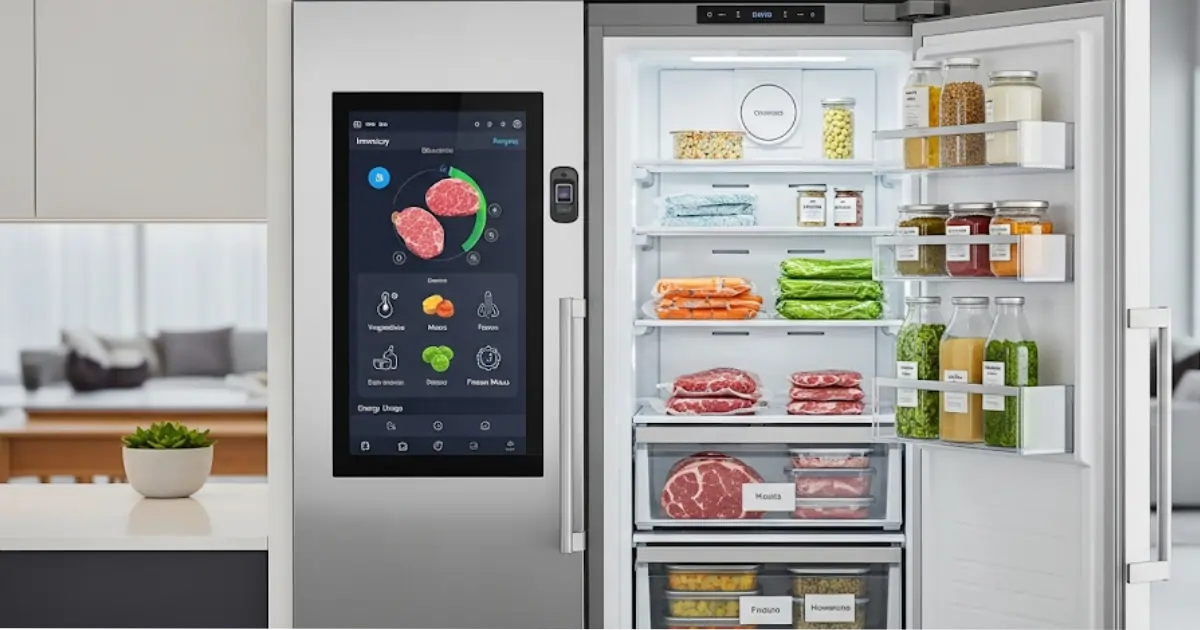
Smart Freezer for Food Storage
Freezing food is one of the most effective ways to organize your meal routine, preserve nutrients, and save time and money. However, many people still make mistakes that result in a loss of flavor, texture, and nutritional quality. Knowing how to freeze and thaw food properly is essential for a healthy and functional kitchen.
Why freeze food?
Benefits of Freezing Food
- Extends shelf life: meat, vegetables, and grains last for weeks or months
- Reduces waste: prevents perishable foods from spoiling
- Makes your routine easier: pre-prepared meals save you hours each week
- Preserves nutrients: if done correctly, nutritional loss is minimal
The Science Behind Freezing Food
Freezing food slows the growth of microorganisms and enzymatic processes, keeping food safe for longer.
How to Freeze Food Properly
Freezing food properly is essential for preserving nutrients, preventing waste, and ensuring food safety. Freezing prevents the growth of microorganisms and slows down chemical reactions that cause spoilage, keeping food in good condition for longer. However, for this to work effectively, it is essential to follow certain precautions during preparation and storage.
The first step toward efficient food freezing is to choose fresh, high-quality ingredients. Freezing food that is already deteriorating will not restore it; it will only preserve its current condition. Before freezing fruit, vegetables, meat, or prepared meals, make sure they are in excellent condition and, preferably, freshly prepared.
Proper washing and preparation are equally important. Vegetables should be washed and, in many cases, blanched—a quick boil followed by an ice-water bath—to deactivate enzymes that change color, flavor, and texture. Meat should be cleaned and divided into portions sized for future use, making thawing easier and reducing waste.
Using the right packaging is a key factor in the quality of frozen food preservation. Pack food in airtight containers, freezer-safe plastic bags, or sturdy plastic wrap, always removing as much air as possible. This prevents the formation of ice crystals and the well-known “freezer burn,” which alters flavor and texture.
It is important to label food with the name and date it was frozen. This makes it easier to keep track of how long it has been stored and prevents food from being forgotten for long periods of time. As a general rule, most foods can be frozen for up to three months without losing quality, but this varies depending on the type of product.
Avoid freezing food while it’s still hot, as this can raise the internal temperature of the freezer and compromise other items stored there. Ideally, let food cool to room temperature (for up to two hours) or in the refrigerator before placing it in the freezer. Freezing in small portions also speeds up the process and helps maintain a texture closer to the original after thawing.
Thawing also requires care. To preserve flavor and ensure safety, it’s best to thaw food in the refrigerator, allowing it to reach the proper temperature slowly. Avoid thawing at room temperature, as this can promote bacterial growth. For foods that will be cooked, such as meat, you can also use the microwave or place them directly in a pot.
Keep in mind that refreezing is not recommended, especially after the food has been completely thawed at room temperature. This can compromise the quality and safety of the food. With proper planning and technique, freezing food correctly is a practical strategy for making daily life easier, reducing waste, and ensuring that healthy meals are always on hand.
General Rules for Freezing Food
- Always freeze fresh, high-quality food
- Divide into individual portions for easier consumption
- Use appropriate containers (sturdy plastic, glass, or zip-top bags)
- Remove as much air as possible to prevent ice crystals from forming
- Always label items with the name and date they were frozen
Types of Food and Best Practices for Freezing Food
Meat and Poultry
- Wash and dry thoroughly before portioning
- For ground meat, freeze it in thin “patties” to make it easier to thaw
- Shelf life: 3 to 6 months
Fish and Seafood
- It's best to freeze them after they've been washed and dried
- Do not refreeze after thawing
- Shelf life: 2 to 3 months
Vegetables
- Blanch: Cook briefly and then cool in ice water
- Preserves color, texture, and nutrients
- Shelf life: 3 to 6 months
Cooked grains and legumes
- Rice, beans, chickpeas, and lentils can be portioned out into containers
- Shelf life: 2 to 3 months
Ready-to-eat meals
- Soups, broths, shredded meats, and sauces are great for freezing
- Avoid pasta dishes with cream or mayonnaise
How to Thaw Food Safely
Thawing food safely is essential for preserving its nutritional value and texture—and, above all, for preventing contamination that can lead to food poisoning. The process must be carried out with care and planning, as improper temperatures promote the growth of harmful microorganisms. Therefore, understanding the correct methods is essential to ensuring food safety.
The safest way to defrost any type of food is to transfer it from the freezer to the refrigerator and let it thaw slowly. This keeps the food within a safe temperature range (below 5°C), preventing the growth of bacteria. Although this method takes longer, it is ideal for meat, fish, poultry, and ready-to-eat foods.
Another safe option is to use a microwave, which has a specific defrost setting. This method is faster, but it requires caution: the food must be cooked immediately after defrosting, as some parts may begin to cook, creating temperature zones that promote bacterial growth if they are not cooked right away.
Some foods can also be thawed directly during cooking, especially frozen vegetables and dishes such as soups or sauces. This practice is safe as long as the food quickly reaches temperatures above 70°C, which kill harmful bacteria. In addition, cooking directly from the freezer can better preserve the texture of certain ingredients.
Avoid thawing food at room temperature, such as on the sink or kitchen counter. Although this method is common, it is dangerous: the outer parts of the food thaw quickly and are exposed to the ideal temperature for bacterial growth, while the inside is still frozen. This can result in cross-contamination and spoilage.
To speed up the process without compromising safety, you can use the inverted water bath technique: submerge the food—still in its packaging and tightly sealed—in a bowl of cold water. Change the water every 30 minutes to keep it cold. This method is effective for small portions and reduces waiting time while keeping the food within a safe temperature range.
It is important never to refreeze food that has been completely thawed, especially if it has been left out of the refrigerator for a long time. Refreezing can compromise the quality of the food and increase the risk of contamination. The only exception is when the food has been safely thawed and thoroughly cooked before being refrozen.
Planning is the key to safe thawing. Knowing in advance what will be eaten allows you to go through the process calmly and correctly. With proper care, you can preserve flavor, texture, and nutrients, while also protecting the health of those who consume the food.
Recommended Methods
- Refrigerator (the safest option) Move the food from the freezer to the refrigerator 12 to 24 hours before eating it
- Cold water bath: Wrap it tightly and thaw it in a bowl of cold water, changing the water every 30 minutes
- Microwave with defrost function. For immediate consumption only, as it begins cooking
Common Mistakes to Avoid
- Do not thaw at room temperature: it increases the risk of contamination
- Never refreeze raw food that has already been thawed
- Avoid using hot water: it degrades the texture and nutrients
Smart Freezer Organization for Food Storage
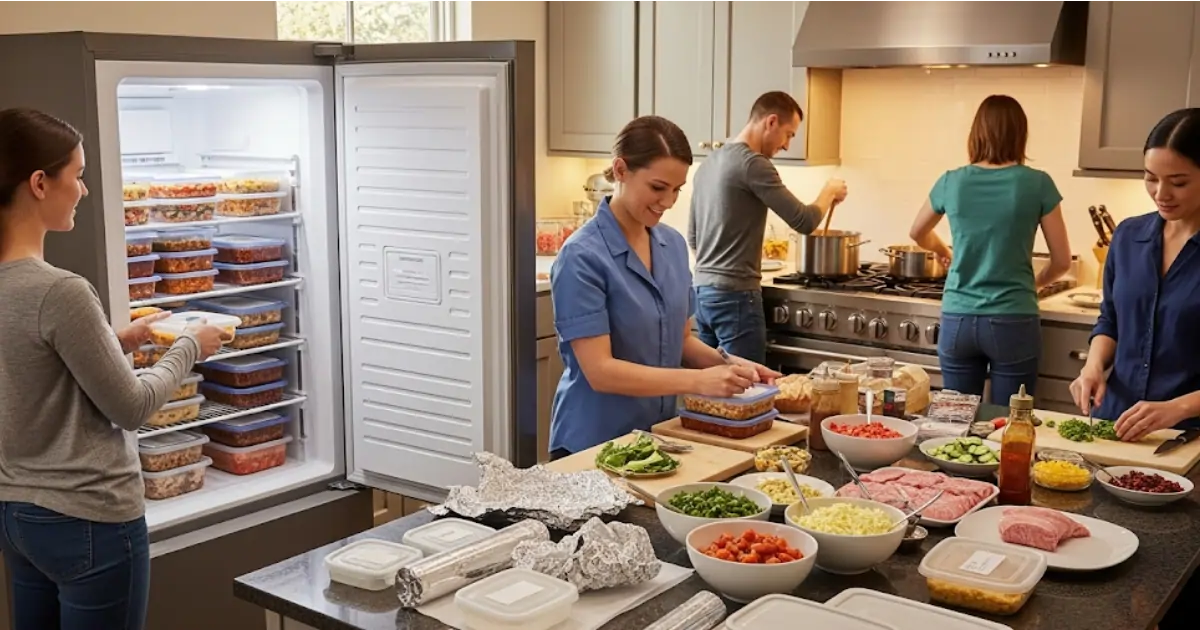
Categorize the foods
- Meat and fish on separate shelves
- Ready-to-eat meals in stacked boxes
- Fruits and vegetables in labeled bags
FIFO (First In, First Out) System
- First in, first out
- Prevents food from being forgotten at the back of the freezer
Visual tracking
- Use large, legible labels
- Keep a digital or physical inventory
Case Study: Camila, 42, mother and businesswoman
Initial scenario
- She was always wasting fruit and vegetables in the refrigerator
- Cooking every day was not feasible because of her busy schedule
Changes Applied
- She planned a two-week menu
- She prepared food in advance and froze it in portions
- She organized the freezer with labels and dates
Results in 6 weeks
- Saved 4 hours per week in the kitchen
- 35% reduction in food waste
- More homemade, nutritious meals without the daily hassle
Practical Checklist for Smart Freezer Food Storage
- Check the quality and freshness of food before freezing it
- Portion into appropriate containers, removing air
- Label with name and date
- Follow the table of maximum freezing times
- Avoid thawing at room temperature
- Apply the FIFO method to use food in the correct order
- Check the freezer every two weeks
Mastering food freezing turns your kitchen into a smart system. It saves time, reduces waste, and ensures nutritious, convenient meals all week long. With a few small changes to your habits, you can turn your freezer into an ally for your health and household organization.
See Also
Comments
Loading comments…
See also
 Healthy Eating: How to Transform Your Routine with Simple and Effective Practices | Vida Ideal Blog Shop
 A Functional Kitchen for Healthier Eating Habits | Vida Ideal Blog Shop
 Organizing Your Pantry for Healthy Eating | Vida Ideal Blog Shop
 Healthy Frozen Meals | Vida Ideal Blog Shop
 Batch Cooking: How to Prepare All Your Meals for the Week in Just a Few Hours | Vida Ideal Blog Shop
 Healthy and Easy-to-Make Recipes | Vida Ideal Blog Shop