
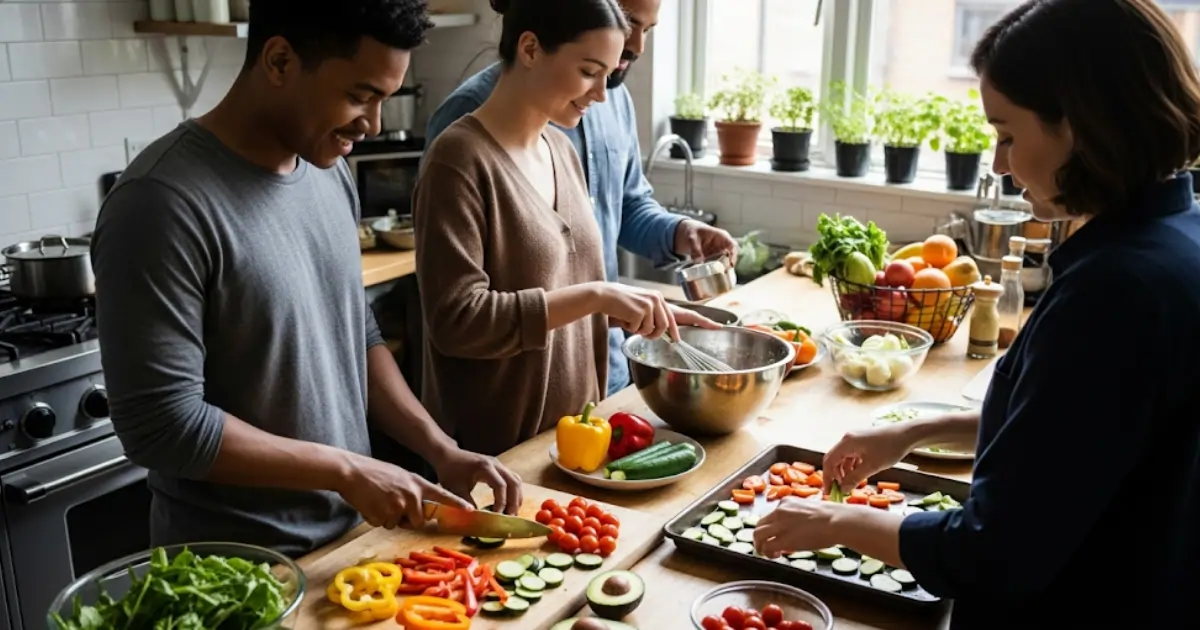
Healthy and Easy-to-Make Recipes
Marketing often portrays healthy eating as something gourmet and inaccessible. However, nutrition experts point out that the best choices for healthy meals are simple: rice, beans, vegetables, fruits, and lean proteins. A study by the Harvard T.H. Chan School of Public Health shows that meals based on minimally processed foods can reduce the risk of cardiovascular disease by up to 30 percent.
Principles of Simple, Healthy Eating
Basic and affordable ingredients
Prioritize fresh, in-season foods.
Quick Cooking Methods
Methods such as grilling, steaming, or using an air fryer save time.
Nutritional Balance
Put together meals that include carbohydrates, protein, fiber, and healthy fats.
Quick, Healthy Recipes for Everyday Life
Healthy, quick recipes are ideal for anyone who wants to maintain a balanced diet even with a busy schedule. The main advantage is convenience: with just a few ingredients and little time, you can prepare tasty and nutritious meals. This helps you resist the temptation to turn to ultra-processed foods, which usually contain too much salt, sugar, and unhealthy fats. Keeping simple options on the menu helps ensure you have energy and feel your best throughout the day.
Grain-and-vegetable salads are a good example of healthy, practical recipes. Simply cook quinoa, lentils, or chickpeas ahead of time and mix them with raw vegetables, such as tomatoes, cucumbers, and grated carrots. A drizzle of olive oil, lemon juice, and fresh herbs completes the dish. This combination is rich in fiber, vitamins, and minerals, and also provides plant-based protein that helps you feel full.
Another option for healthy, quick-to-make recipes is the vegetable omelet. With eggs, spinach, tomatoes, and onions, you can whip up a complete meal in less than ten minutes. In addition to being a good source of protein, omelets can be customized with additions like mushrooms, herbs, or white cheese, making them a versatile choice for breakfast, a light lunch, or dinner.
Smoothies and fruit shakes are also great because they’re quick to make. Blending frozen fruit with plant-based milk, plain yogurt, or coconut water creates a refreshing and nutritious drink. Adding seeds, such as chia or flaxseed, increases the fiber and omega-3 content, promoting gut health and hormonal balance. It’s a practical alternative for snacks or breakfast.
For pasta lovers, zucchini spaghetti is a great choice. Using a spiralizer or grater, the zucchini is transformed into strands that can be quickly sautéed with olive oil, garlic, and homemade tomato sauce. This recipe replaces traditional pasta, cutting down on calories and carbs while maintaining the flavor and feel of a comfort food dish.
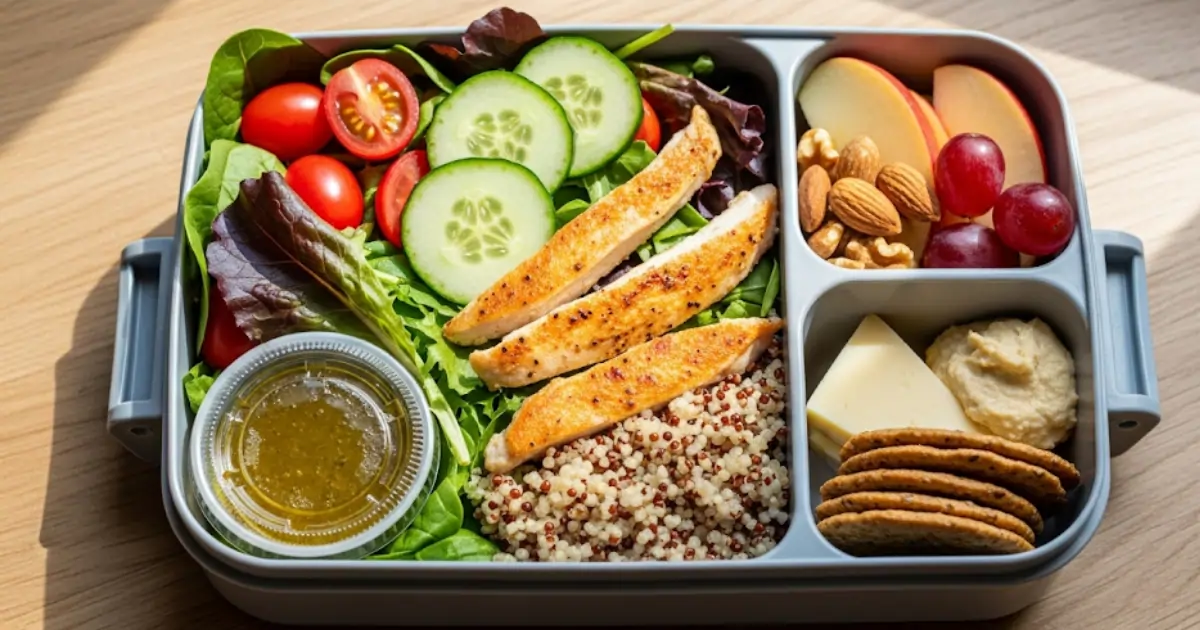
Whole-grain wraps with a variety of fillings are also ideal for busy days. Whole-grain tortillas can be filled with shredded chicken, leafy greens, grilled vegetables, and light sauces, such as hummus or seasoned yogurt. Not only are they easy to assemble, but they can also be packed in a lunchbox, ensuring a healthy meal on the go.
Creamy vegetable soups are another healthy recipe option that combines speed and nutrition. Simply cook vegetables such as carrots, squash, or sweet potatoes, blend until smooth, and finish with natural seasonings. These soups warm you up on cold days, provide fiber and vitamins, and can be made in large batches to enjoy throughout the week.
Healthy snacks are also part of daily life. A mix of nuts, dried fruit, and seeds is a convenient option for snacking between meals. In addition to providing healthy fats and energy, it helps control hunger and prevents the consumption of processed foods. The mix can be portioned into small containers for added convenience.
A quick and healthy sweet recipe is overnight oats. Just mix oats, milk or a plant-based milk, and fruit in a jar and let it sit in the fridge overnight. In the morning, your meal will be ready—creamy and packed with nutrients. You can add cinnamon, honey, or peanut butter to vary the flavor.
Having a basic meal plan and key ingredients always on hand makes it easier to prepare healthy meals. Keeping grains, eggs, fresh vegetables, nuts, and natural seasonings in your pantry ensures that healthy options are always available. That way, even on the busiest days, you can take care of your health without sacrificing tasty, balanced meals such as:
Breakfast
- Banana smoothie with oats and plant-based milk.
- Tapioca with white cheese and tomatoes.
Lunch
- Grilled chicken with sautéed vegetables.
- Quinoa with chickpeas and spinach.
Snack
- Assortment of dried fruits and nuts.
- Plain yogurt with honey and chia seeds.
Dinner
- Egg-white omelet with vegetables.
- Pumpkin soup with ginger.
👉 Practical example: A simple omelet takes less than 10 minutes to make and provides protein and fiber for long-lasting fullness.
Planning and Organization for Healthy Meals
Planning and organizing healthy recipes are essential for maintaining a balanced diet, even amid a hectic routine. Having a pre-planned menu helps avoid last-minute decisions that can lead to eating ultra-processed foods or fast food. In addition, it allows for better control over the nutritional quality of meals and helps save time and money.
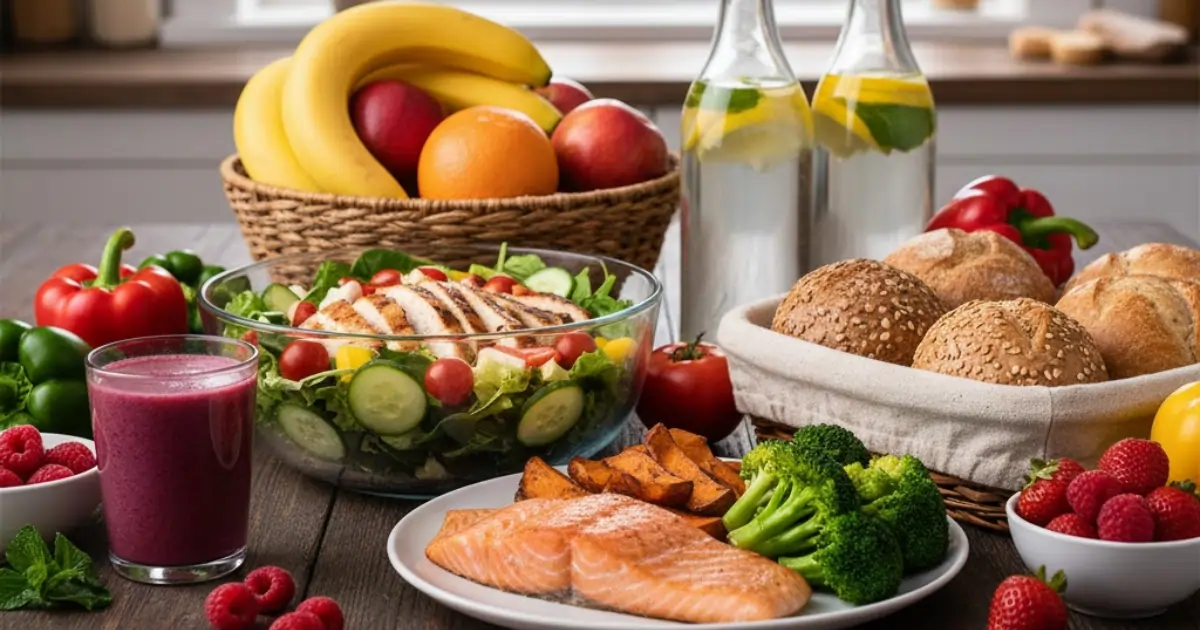
One of the first steps in planning healthy meals is to set a weekly menu. Taking a few minutes to think about your meals for the coming days allows you to organize your shopping and avoid waste. It’s a good idea to vary your food groups, including lean proteins, whole grains, fruits, and vegetables, to ensure a diet rich in essential nutrients.
A shopping list is an indispensable tool in this process of preparing healthy meals. By writing down the ingredients needed for your planned recipes, it becomes easier to stay focused at the grocery store and avoid buying unnecessary or less healthy items. A good tip is to organize your list by grocery store sections—such as produce, dairy, and grains—to save time.
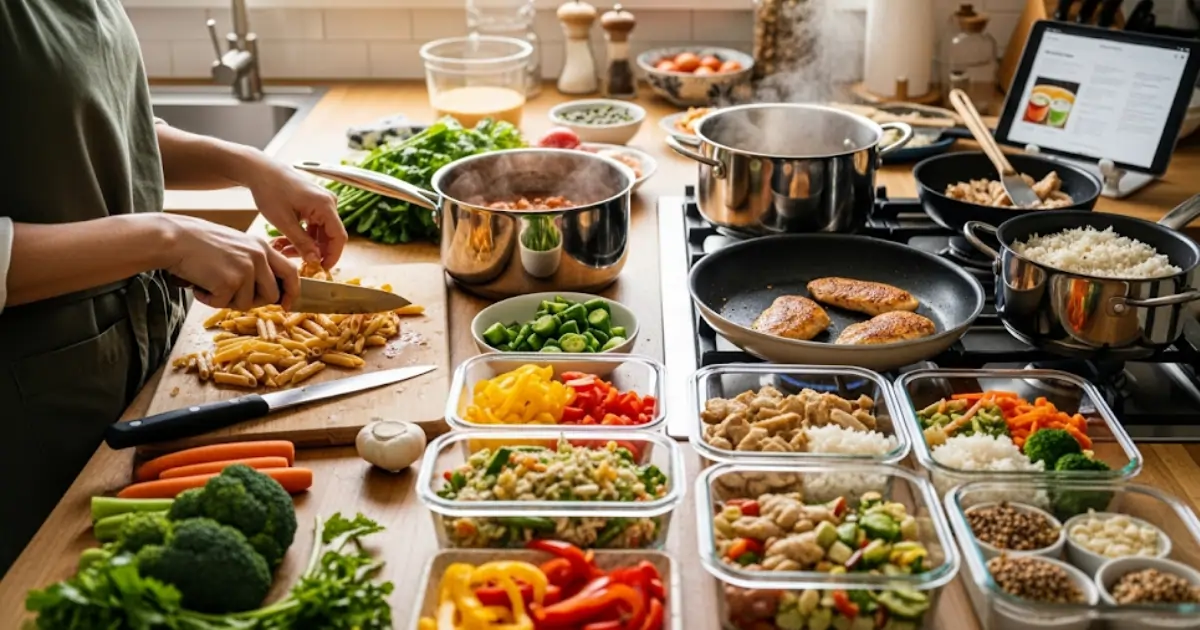
Another important strategy is what’s known as “meal prep,” or preparing meals in advance. Setting aside one day a week to get ahead on tasks—such as chopping vegetables, cooking grains, or portioning meat—makes daily life much easier. That way, when it’s time to cook, most of the work will already be done, making meal prep faster and more convenient.
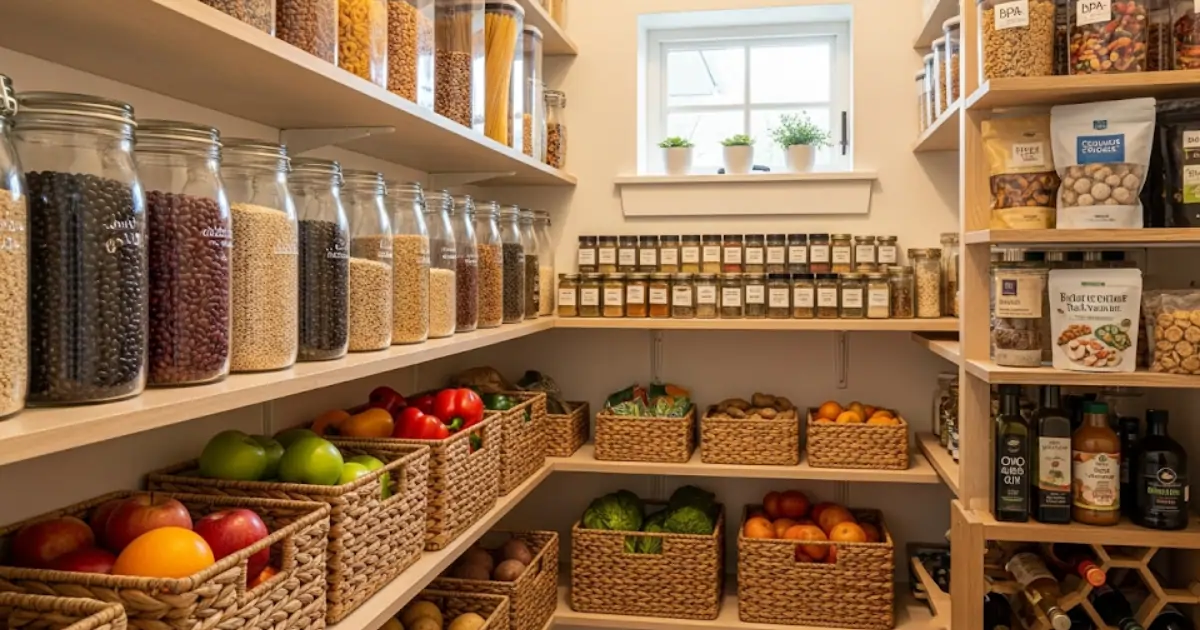
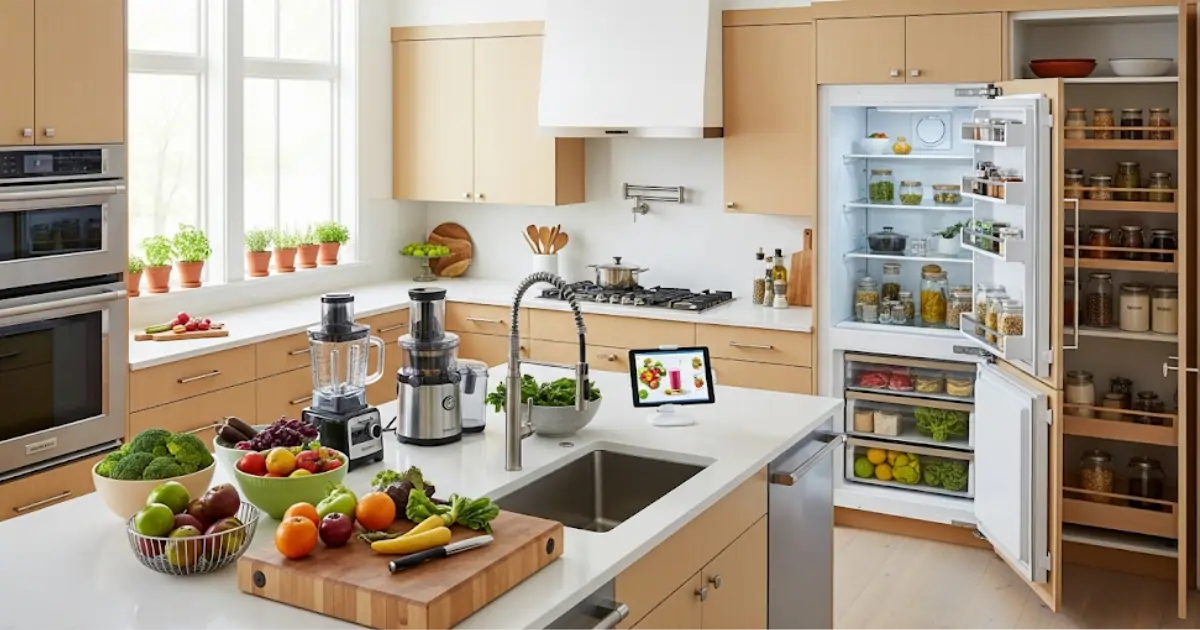
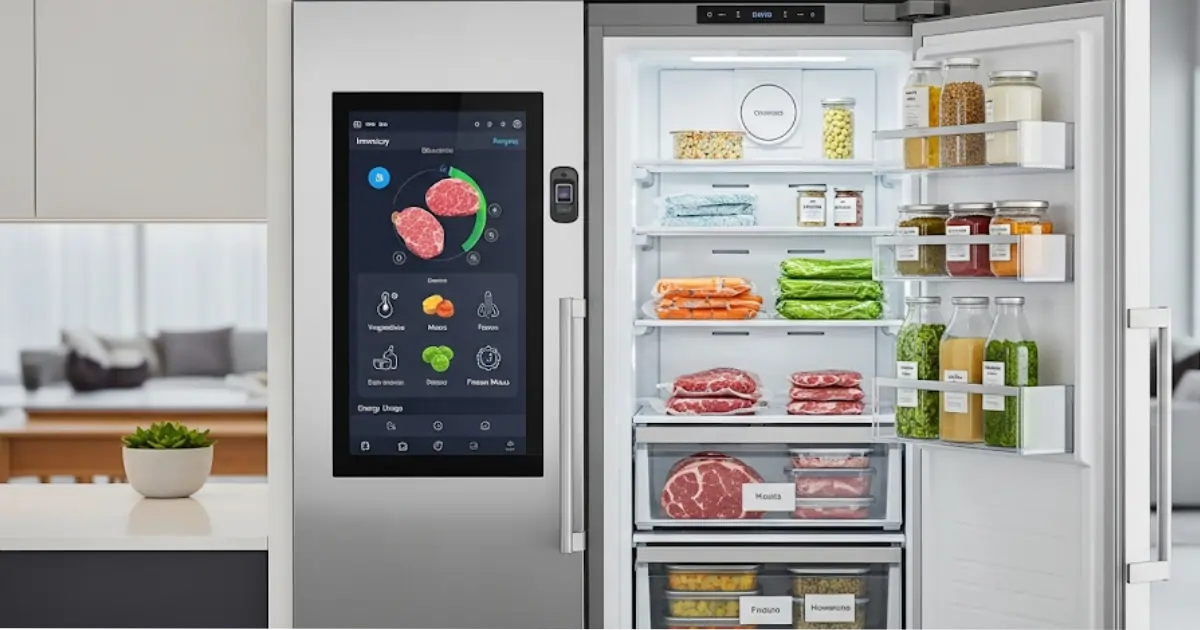
Organizing the pantry and the refrigerator is also essential for successful meal planning. Keeping basic, healthy foods readily available—such as eggs, oats, olive oil, nuts, and frozen vegetables—ensures that you can prepare a nutritious meal even on busy days. Keeping these items visible and properly stored prevents waste and encourages you to eat the right foods.
Investing in the right kitchen tools also helps. Airtight jars, freezer bags, and glass containers make it easier to store and preserve food. Plus, having pots, baking dishes, and a blender on hand makes cooking more efficient and enjoyable.
Planning should also take personal and family routines into account. It’s important to choose recipes that fit within the time you have available and suit the tastes of those who will be eating them. If it’s a busy week, prioritize simple and quick meals; if you have more time, you can invest in more elaborate dishes. Flexibility is the key to maintaining consistency.
Another tip is to make the most of versatile ingredients. Cooked grains, for example, can serve as a base for salads, soups, and side dishes. Roasted vegetables can be used in wraps, omelets, or as a side dish with various meals. This versatility reduces the workload and keeps your meals from getting boring.
It’s also a good idea to keep a notebook, spreadsheet, or app to jot down your favorite recipes and shopping lists. This makes it easier to repeat meals that turned out well and helps you try new options without wasting time. Over time, you’ll build your own repertoire of balanced meals for every occasion.
Planning and organizing healthy meals shouldn’t be seen as a complicated task, but rather as an investment in health and well-being. With the following practices and habits, this process becomes second nature, helping you maintain a varied, nutritious, and enjoyable eating routine, while also contributing to a more balanced life:
- Healthy packed meals: Cook in larger quantities and freeze individual portions.
- Smart grocery list: Avoid ultra-processed foods and focus on staple foods.
- Prep time: Set aside 1 to 2 hours per week to prep vegetables and cook grains ahead of time.
Tips from Experts
According to nutritionist Sophie Deram, a healthy diet shouldn't be restrictive, but rather varied and enjoyable.
👉 Applying the concept of “eating real food” helps simplify choices and keeps the idea of extreme diets at bay.
Common Challenges and Solutions
- Short on time: Try recipes that take up to 15 minutes.
- Limited budget: shop at farmers' markets and prioritize seasonal foods.
- Lack of ideas: Look for inspiration on blogs and healthy recipe apps.
Practical Menu Examples
- Monday: brown rice, beans, grilled chicken, leafy green salad.
- Tuesday: whole-wheat pasta with fresh tomato sauce and tuna.
- Wednesday: roasted vegetables with a fish fillet.
- Thursday: lentil soup with carrots and potatoes.
- Friday: whole-wheat wrap with chicken, lettuce, and grated carrots.
Simplicity Is the Secret
Anyone can follow a routine of easy, healthy recipes. With planning, creativity, and a focus on simple ingredients, you can turn your diet into a source of health, energy, and pleasure without complicating your routine.
Related Articles
Comments
Loading comments…
See also
 Organizing Your Pantry for Healthy Eating | Vida Ideal Blog Shop
 Healthy Eating: How to Transform Your Routine with Simple and Effective Practices | Vida Ideal Blog Shop
 Healthy Snacks | Vida Ideal Blog Shop
 Natural Herbs and Spices | Vida Ideal Blog Shop
 Healthy and Convenient Lunches for Everyday Life | Vida Ideal Blog Shop
 Batch Cooking: How to Prepare All Your Meals for the Week in Just a Few Hours | Vida Ideal Blog Shop
 A Functional Kitchen for Healthier Eating Habits | Vida Ideal Blog Shop
 Smart Freezer for Food Storage | Vida Ideal Blog Shop
 Balanced Diet | Vida Ideal Blog Shop